Athletes who require vision correction often find themselves surrounded by outdated advice and incomplete information. The result? Confusion, unnecessary compromise, or even injury.
When it comes to choosing the right eyewear for physical activity, it’s crucial to separate fact from fiction. There are plenty of myths about prescription sports glasses, and these misconceptions can lead to costly mistakes.
Here, we unpack and debunk seven of the most persistent prescription sports glasses myths so you can make informed, safe, and effective choices.
By contrast, prescription sports glasses are specifically engineered to endure physical contact and high-speed motion. Most feature polycarbonate lenses, which are up to 10 times more impact-resistant than regular plastic. They also come with features like wraparound frames, padding, and anti-fog coatings to keep your vision clear and stable throughout activity.
Eye strain, poor depth perception, and misjudging distances can all hinder your performance if your vision isn’t adequately corrected. Prescription sports glasses ensure you can track movement, maintain coordination, and react quickly—regardless of your age or sport.
Advanced materials like memory plastic and carbon fibre also help reduce weight without sacrificing strength. Whether you're on the field, court, or trail, modern prescription sports glasses now offer a blend of function and form, designed to look and feel good.
Prescription sports glasses offer a complete solution: clear vision, impact resistance, and physical eye protection in a single product. They don’t shift or fall out, and you don’t have to worry about carrying backup lenses or saline solution. For many, the glasses are simply more practical in the long run.
In many cases, athletes experience improved performance after switching to proper sports eyewear. With better visual tracking, enhanced depth perception, and a secure fit, you're able to respond faster and more accurately. From tennis to skiing, vision plays a critical role in reaction time and decision-making.
Prescription sports glasses can be tailored to the sport and conditions you face. Ventilation systems reduce fogging for indoor players. Wraparound designs block out wind and debris for cyclists. Lenses with specific tints enhance contrast for golfers or baseball players. The right features can provide both visual clarity and comfort, ensuring that your eyewear supports your performance rather than hindering it.
Today, there are high-quality options available across a range of price points. Investing in proper sports eyewear doesn’t necessarily mean spending a fortune. Reputable retailers like RX Safety Canada provide access to reliable, certified options that combine performance and affordability. Considering the protection and performance boost they offer, prescription sports glasses are often a smart, long-term choice.
Understanding the true value and function of prescription sports glasses empowers you to choose wisely. Whether you play competitively or recreationally, prioritizing your eye health can make a measurable difference. Don't settle for general-use glasses or risky workarounds. Opt for eyewear built for your sport, your activity level, and your safety needs.
When it comes to choosing the right eyewear for physical activity, it’s crucial to separate fact from fiction. There are plenty of myths about prescription sports glasses, and these misconceptions can lead to costly mistakes.
Here, we unpack and debunk seven of the most persistent prescription sports glasses myths so you can make informed, safe, and effective choices.
Common Myths About Prescription Sports Glasses
Myth 1: Regular Prescription Glasses Are Good Enough for Sports
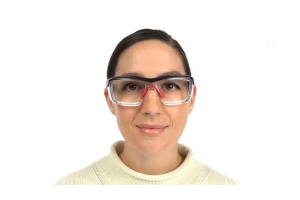
This is probably the most dangerous of all the prescription sports glasses myths. Regular glasses are designed for everyday activities like reading, driving, or office work, not sports. They typically feature frames and lenses that aren’t built to withstand high-speed impacts, sudden movements, or extreme environmental conditions. During sports, there is always a risk of being hit by a ball, an elbow, or debris. Ordinary glasses can easily crack or shatter under pressure, increasing the chance of eye injuries.By contrast, prescription sports glasses are specifically engineered to endure physical contact and high-speed motion. Most feature polycarbonate lenses, which are up to 10 times more impact-resistant than regular plastic. They also come with features like wraparound frames, padding, and anti-fog coatings to keep your vision clear and stable throughout activity.
Myth 2: Prescription Sports Glasses Are Only for Kids
This myth likely stems from the emphasis schools place on protective gear for student athletes. But the need for prescription sports glasses doesn't end with adolescence. Adults who participate in recreational leagues, endurance sports, or even solo fitness routines can also benefit. In fact, adults are just as prone to eye injuries and just as likely to experience performance limitations without proper visual support.Eye strain, poor depth perception, and misjudging distances can all hinder your performance if your vision isn’t adequately corrected. Prescription sports glasses ensure you can track movement, maintain coordination, and react quickly—regardless of your age or sport.
Myth 3: They Look Unattractive and Bulky
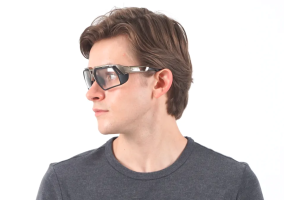
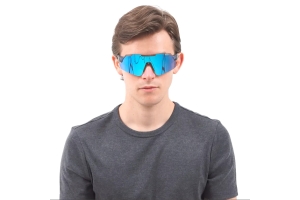
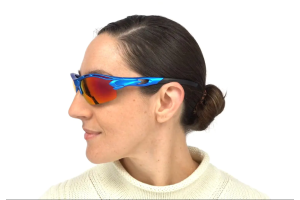
The idea that prescription sports glasses are unfashionable is based on outdated designs from decades ago. Modern manufacturing has completely changed the game. Today's models are streamlined, lightweight, and stylish. Athletes can choose from a wide range of colours, shapes, and frame styles to match their personal look while staying protected.Advanced materials like memory plastic and carbon fibre also help reduce weight without sacrificing strength. Whether you're on the field, court, or trail, modern prescription sports glasses now offer a blend of function and form, designed to look and feel good.
Myth 4: Contact Lenses Are Always a Better Option
Contact lenses are popular, and for good reason. They offer a wide field of vision, don’t fog up, and can be worn with regular sunglasses or safety goggles. But they’re not foolproof. Dust, wind, sweat, or water can cause discomfort or even dislodge a lens in the middle of an activity. For athletes playing outdoor or high-contact sports, this can be both distracting and risky.Prescription sports glasses offer a complete solution: clear vision, impact resistance, and physical eye protection in a single product. They don’t shift or fall out, and you don’t have to worry about carrying backup lenses or saline solution. For many, the glasses are simply more practical in the long run.
Myth 5: They Hinder Performance
There’s a common belief that wearing glasses during sports is inconvenient or uncomfortable. But in reality, properly fitted prescription sports glasses are designed with athletic performance in mind. They stay in place through movement, reduce visual distractions, and offer features like UV protection and anti-glare coatings to help you see clearly in bright or rapidly changing light conditions.In many cases, athletes experience improved performance after switching to proper sports eyewear. With better visual tracking, enhanced depth perception, and a secure fit, you're able to respond faster and more accurately. From tennis to skiing, vision plays a critical role in reaction time and decision-making.
Myth 6: All Sports Glasses Are the Same
Not all sports have the same demands. Eyewear for a swimmer, a cyclist, and a basketball player must account for very different physical movements, visibility needs, and environmental exposures. A one-size-fits-all approach often results in discomfort or reduced performance.Prescription sports glasses can be tailored to the sport and conditions you face. Ventilation systems reduce fogging for indoor players. Wraparound designs block out wind and debris for cyclists. Lenses with specific tints enhance contrast for golfers or baseball players. The right features can provide both visual clarity and comfort, ensuring that your eyewear supports your performance rather than hindering it.
Myth 7: They’re Too Expensive to Be Worth It
Cost concerns are valid, but context matters. The financial impact of an eye injury can be far greater than the upfront cost of prescription sports glasses. Medical bills, missed games, or long-term vision issues can all result from choosing the wrong eyewear.Today, there are high-quality options available across a range of price points. Investing in proper sports eyewear doesn’t necessarily mean spending a fortune. Reputable retailers like RX Safety Canada provide access to reliable, certified options that combine performance and affordability. Considering the protection and performance boost they offer, prescription sports glasses are often a smart, long-term choice.
Bottom Line
The reality is that many athletes, regardless of age, skill level, or sport, are misinformed when it comes to sports eyewear. Believing these myths about prescription sports glasses can lead to poor vision correction, higher injury risk, and reduced performance.Understanding the true value and function of prescription sports glasses empowers you to choose wisely. Whether you play competitively or recreationally, prioritizing your eye health can make a measurable difference. Don't settle for general-use glasses or risky workarounds. Opt for eyewear built for your sport, your activity level, and your safety needs.