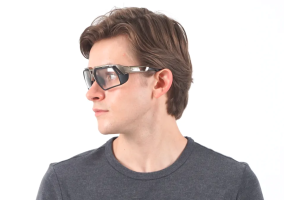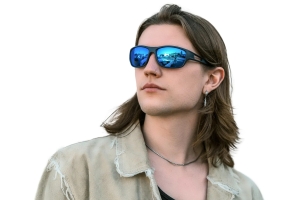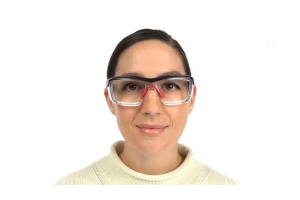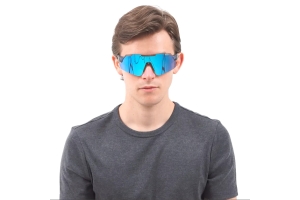
Clear vision on the slopes is not optional. It directly affects balance, reaction time, and safety. Yet many skiers invest in prescription snow goggles without fully understanding how they perform in real mountain conditions.
The biggest mistake is assuming that any prescription solution will work the same in snow environments. In reality, poor choices in fit, lens setup, and ventilation can reduce visibility when it matters most.
Prescription Snow Goggles: The Most Common Mistake
The most common mistake with prescription snow goggles is prioritizing prescription clarity alone while ignoring environmental performance.
Many users focus only on getting the correct vision correction. While that is essential, it is only one part of the equation. Snow conditions introduce glare, fogging, and rapidly changing light.
When goggles are not designed to handle these factors, even perfect vision correction becomes less effective. The result is inconsistent visibility throughout the day.
Why Clarity Alone Is Not Enough
Clear lenses in controlled environments do not guarantee performance on the slopes. Snow reflects a significant amount of light, which can overwhelm basic lens setups.
Without proper tinting or contrast enhancement, terrain details become harder to see. This affects depth perception and increases the risk of misjudging surfaces.
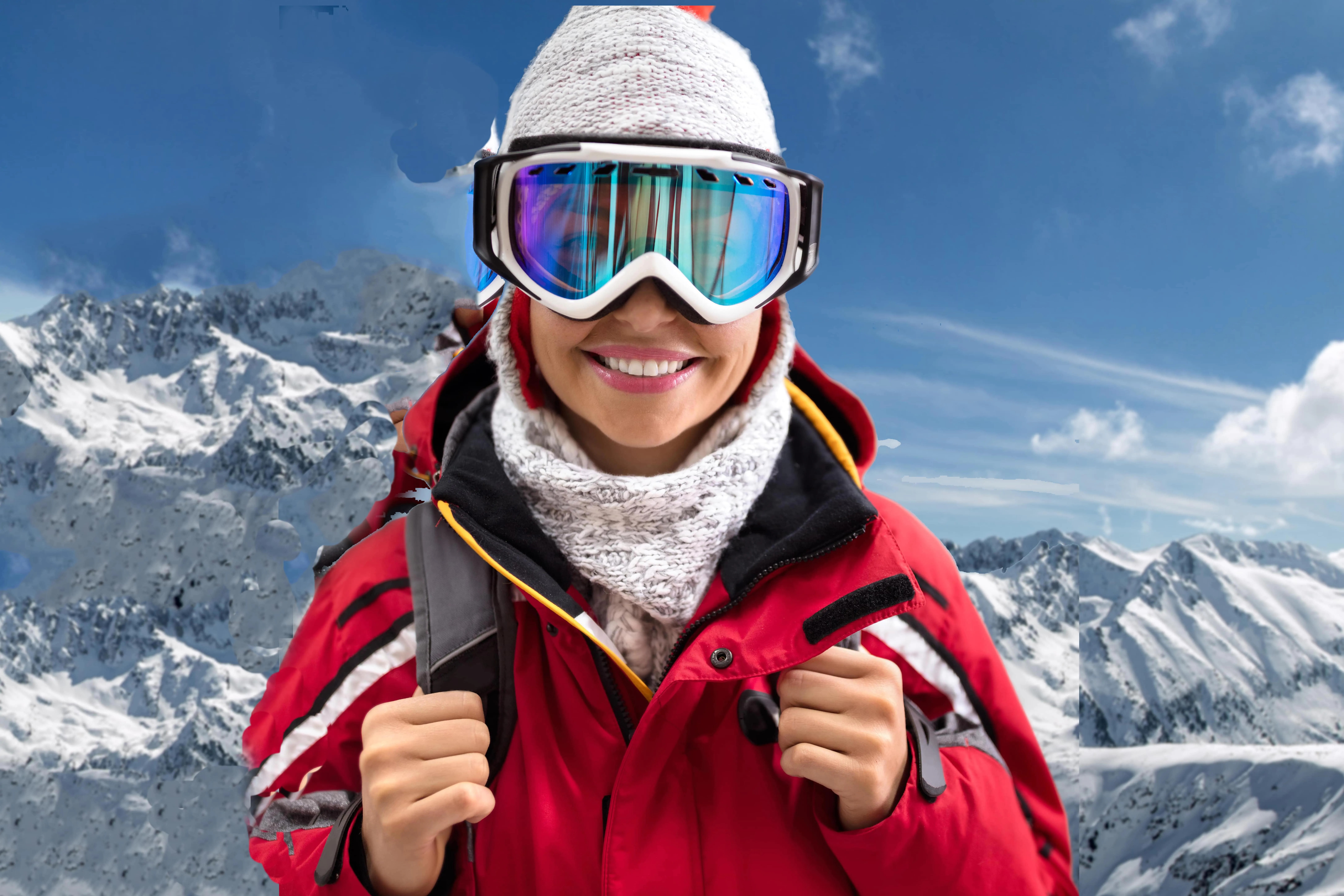
High-quality prescription snowboard goggles are designed to improve contrast, helping users distinguish between snow textures and terrain changes.
The Role of Light and Glare Management
Glare is one of the biggest challenges in snow environments. Standard lenses may reduce brightness but fail to manage reflected light effectively.
Polarized or specialized tinted lenses help reduce glare and improve visual comfort. This allows skiers to maintain focus even in bright conditions.
Choosing the right lens is not just about comfort. It directly impacts performance and safety during runs.
Ignoring Lens Versatility
Mountain conditions can change quickly. Bright sunlight can turn into flat light or overcast conditions within hours.
Goggles with fixed lenses may not perform well across all conditions. This is why many experienced skiers prefer interchangeable lens systems.
Versatility ensures that your prescription snow goggles remain effective throughout the day rather than limiting visibility when conditions shift.
The Fit and Ventilation Problem
Even high-quality lenses cannot perform well if the goggles do not fit properly or manage airflow effectively.
Poor Fit Leads to Bigger Issues
Improper fit creates gaps between the face and the goggles. This allows cold air and moisture to enter.
It can also affect how the goggles sit with a helmet. Misalignment reduces comfort and can impact stability during movement.
A secure fit ensures consistent performance and reduces distractions while skiing.
Fogging: The Most Frustrating Failure
Fogging is one of the most common complaints with prescription snow goggles. It usually results from poor ventilation or temperature imbalance.
When warm air from your face meets cold lenses, condensation forms. Without proper airflow, this quickly reduces visibility.
Anti-fog coatings and ventilation systems are essential. Without them, even the best lenses become ineffective.
Why Ventilation Design Matters
Ventilation is often overlooked during selection. However, it plays a key role in maintaining clear vision.
Well-designed goggles allow air to circulate without letting in snow or debris. This balance is critical in cold and variable conditions.
Understanding how airflow works in goggles can help prevent common visibility issues on the slopes.
Matching Goggles to Your Skiing Style
Not all skiers have the same needs. Choosing the right goggles depends on how and where you ride.
Terrain and Riding Style
Different environments require different features:
- All-mountain skiing needs versatile lenses
- Freestyle riding benefits from a wide field of vision
- Backcountry skiing requires durability and adaptability
This is why many skiers evaluate performance features based on terrain demands, and then buy prescription snow goggles for all-mountain and freestyle riders.
Why One Setup May Not Be Enough
Some skiers rely on a single pair of goggles for all conditions. This often leads to compromised performance.
For example, lenses suited for bright conditions may struggle in low-light environments. Similarly, goggles designed for casual use may not handle aggressive riding.
Having the right setup for your style improves both comfort and safety.
Key Features to Look For
Choosing the right goggles involves evaluating multiple factors beyond prescription accuracy.
Essential Checklist
- Anti-fog coating and proper ventilation
- UV protection and glare reduction
- Interchangeable or adaptive lenses
- Helmet-compatible design
- Wide field of vision
These features help ensure consistent performance across different conditions.
Comparing Basic vs High-Performance Goggles
Feature | Basic Goggles | High-Performance Goggles |
Lens Adaptability | Fixed | Interchangeable |
Fog Resistance | Limited | Advanced ventilation |
Glare Reduction | Minimal | Enhanced lens technology |
Fit with Helmet | Inconsistent | Optimized compatibility |
This comparison highlights the importance of choosing goggles designed for real-world conditions.
Why RX Safety Canada Is a Reliable Choice
RX Safety Canada focuses on delivering eyewear solutions built for demanding environments. Their range of prescription snow goggles is designed to handle real mountain conditions.
Each product combines optical precision with features that improve usability. This ensures that users get both a clear vision and reliable performance.
In addition to eyewear, RX Safety Canada is also the ultimate place for buying surgical headlights. Their expertise reflects a commitment to precision and reliability.
Built for Performance, Not Just Specs
What sets RX Safety Canada apart is its focus on practical use. The products are designed to perform consistently, not just meet technical requirements.
This approach helps skiers avoid common mistakes and choose goggles that support their performance on the slopes.
Final Thoughts
The biggest mistake skiers make with prescription snow goggles is focusing only on vision correction while ignoring environmental performance.
Factors like glare, fogging, fit, and adaptability all play a role in how well goggles perform. Overlooking these can reduce visibility and increase risk.
By understanding these elements and choosing the right features, skiers can ensure their eyewear works with them, not against them.