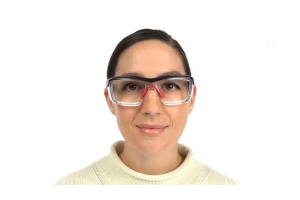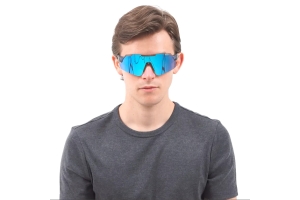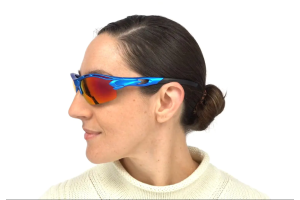
When your vision needs correction, and your work or environment demands protection, prescription safety glasses become a vital part of your personal protective equipment. They combine visual clarity with durable protection, helping reduce risks without compromising your ability to see. Unlike regular safety goggles, these integrate your prescription directly into a protective frame, eliminating the need for stacking eyewear.
This Prescription Safety Glasses Buying Guide will walk you through what matters most when purchasing a pair that truly meets your needs.
Basic safety glasses can shield your eyes from hazards like flying particles or chemical splashes. But if you wear prescription lenses, wearing safety goggles over your glasses isn’t a long-term solution. It can cause discomfort, slipping, and fogging and can even compromise your vision clarity. That’s where prescription safety glasses come in.
They serve two functions at once: correcting your vision and protecting your eyes. Whether you're in a high-risk job like construction or manufacturing or just doing occasional DIY tasks at home, these glasses are critical. Their application stretches beyond industrial settings—they're essential in healthcare, labs, workshops, and any environment where the risk of eye injury exists.
In Canada, the most recognized benchmark for safety eyewear is the CSA (Canadian Standards Association), particularly CSA Z94.3. Glasses that meet this certification have undergone rigorous testing for impact resistance, durability, and optical quality. When shopping, make sure your chosen glasses are CSA-certified. It's not just a label—it's your assurance that the product can withstand the demands of your job or environment.
An accurate prescription is the foundation of any effective eyewear. Before making a purchase, schedule an eye exam to ensure your prescription is up to date. An incorrect or expired prescription can affect your vision, cause strain, and reduce your productivity. Make sure your optometrist includes your pupillary distance (PD), as it's crucial for correctly aligning your lenses in the safety frame.
Frame materials matter more than most realize. Most prescription safety glasses use polycarbonate lenses because of their high impact resistance and lightweight properties. Frames themselves should be built from durable plastics or metals that resist bending and cracking. Also, consider wraparound styles or side shields if you need added lateral protection.
Comfort also plays a key role. You might be wearing these glasses for long stretches, so ensure they’re lightweight and sit securely without pinching or sliding. Adjustable nose pads and flexible temple arms can make a big difference in overall fit and comfort.
Different settings expose you to different types of risks:
This Prescription Safety Glasses Buying Guide will walk you through what matters most when purchasing a pair that truly meets your needs.
Why Prescription Safety Glasses Matter?
Basic safety glasses can shield your eyes from hazards like flying particles or chemical splashes. But if you wear prescription lenses, wearing safety goggles over your glasses isn’t a long-term solution. It can cause discomfort, slipping, and fogging and can even compromise your vision clarity. That’s where prescription safety glasses come in.
They serve two functions at once: correcting your vision and protecting your eyes. Whether you're in a high-risk job like construction or manufacturing or just doing occasional DIY tasks at home, these glasses are critical. Their application stretches beyond industrial settings—they're essential in healthcare, labs, workshops, and any environment where the risk of eye injury exists.
Step-by-Step Guide to Buying Prescription Safety Glasses
1. Know the Safety Standards
In Canada, the most recognized benchmark for safety eyewear is the CSA (Canadian Standards Association), particularly CSA Z94.3. Glasses that meet this certification have undergone rigorous testing for impact resistance, durability, and optical quality. When shopping, make sure your chosen glasses are CSA-certified. It's not just a label—it's your assurance that the product can withstand the demands of your job or environment.
2. Get an Updated Prescription
An accurate prescription is the foundation of any effective eyewear. Before making a purchase, schedule an eye exam to ensure your prescription is up to date. An incorrect or expired prescription can affect your vision, cause strain, and reduce your productivity. Make sure your optometrist includes your pupillary distance (PD), as it's crucial for correctly aligning your lenses in the safety frame.
3. Choose the Right Frame Material and Design
Frame materials matter more than most realize. Most prescription safety glasses use polycarbonate lenses because of their high impact resistance and lightweight properties. Frames themselves should be built from durable plastics or metals that resist bending and cracking. Also, consider wraparound styles or side shields if you need added lateral protection.
Comfort also plays a key role. You might be wearing these glasses for long stretches, so ensure they’re lightweight and sit securely without pinching or sliding. Adjustable nose pads and flexible temple arms can make a big difference in overall fit and comfort.
4. Assess the Hazards in Your Work Environment
Different settings expose you to different types of risks:
- In chemical labs, splash protection and sealed frames are vital.
- In construction, your glasses should be rated for high-impact debris.
- For woodwork or sanding, dust-proofing through foam-lined frames can be a necessity.
- Anti-fog coating: Crucial in humid or variable climates or when wearing masks.
- Scratch-resistant coating: Helps extend the life of the lenses.
- Tinted lenses: Reduce eye strain for outdoor work under bright light.
- Photochromic lenses: Adjust to different lighting conditions automatically.
- Blue light filtering: Useful for technicians or professionals working with screens.
- Bifocal or progressive lenses: Necessary if you need correction for both near and distance vision.
Adding the right coating or feature will tailor your glasses to your specific tasks.6. Check Fit, Weight, and Wearability
Good safety glasses don’t distract you from your work. The fit should be snug but not tight. Lightweight materials reduce fatigue, and balanced weight distribution prevents slipping. If you’re purchasing online, check size guides and reviews to get a better sense of how the glasses fit different face shapes.
Foam gaskets or rubber seals can help block airborne particles or wind, especially in dusty or outdoor settings. These extras can enhance protection without sacrificing comfort.7. Understand Prescription Limitations
Some frames may not accommodate very high prescriptions or complex lens shapes. This is particularly important if your prescription involves significant astigmatism or a high index. Choosing a supplier experienced with high prescriptions ensures your lenses will be crafted accurately, maintaining both safety and visual clarity.
It's also important to consider lens thickness and edge distortion, which can become noticeable in stronger prescriptions. Experienced providers can recommend frame styles that help minimize these issues while still delivering full protection. Be sure to confirm that the lens materials offered can support your specific vision needs without compromising durability.8. Think Long-Term: Durability and Maintenance
Look for features that extend the life of your glasses. These include:- Durable hinges and reinforced frames
- Scratch-resistant and anti-reflective coatings
- Easy-to-clean surfaces
9. Ask About Return Policies and Support
When buying online, you need the reassurance of a clear return or exchange policy. Glasses need to fit properly and match your prescription. Choose a provider that offers responsive customer support and options for adjustments if your glasses don’t arrive just right.Common Mistakes to Avoid
- Failing to verify CSA certification
- Using an outdated prescription
- Prioritizing looks over protection
- Skipping essential lens coatings
- Assuming one-size-fits-all when it comes to frames
Cutting corners on any of these steps can result in eyewear that doesn’t perform when it matters.Why Buy from RX Safety Canada?
This guide helps you understand your options, the importance of a trusted provider can’t be overstated. RX Safety Canada specializes in prescription safety glasses that are CSA-certified, professionally crafted, and suited to Canadian workplace requirements. Their expertise ensures your glasses are built to spec, from lens accuracy to frame durability.
You’re not just buying eyewear—you’re investing in safety and long-term performance. RX Safety Canada offers detailed product information, fitting support, and clear customer service policies, so you’re never left guessing.
Take the next step. Visit RX Safety Canada to find CSA-approved prescription safety glasses designed for real working conditions.
Match your eyewear to the actual dangers you face. Don’t just assume all safety glasses are equal.
5. Pick the Right Lens Features
Functionality can go beyond basic vision correction. Consider lens options like: