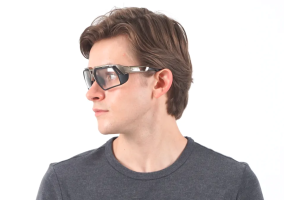
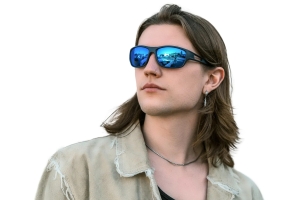
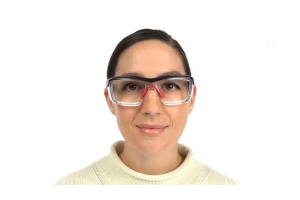
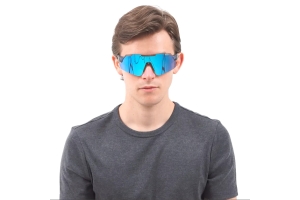
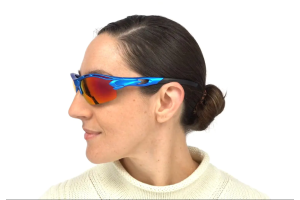
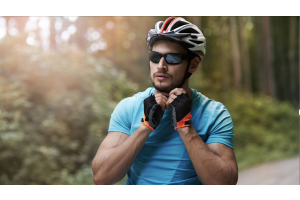
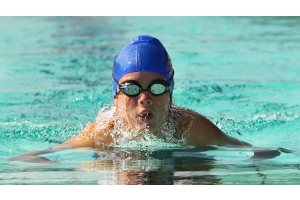
When it comes to protecting eyes during sports, both children and adults need the right eyewear. Prescription sports goggles provide not only vision correction but also impact protection, helping athletes perform with clarity and confidence. But while the purpose is the same, the actual design and features of kids' prescription sports goggles and adult prescription sports goggles can differ in important ways. Understanding these differences can help parents, athletes, and coaches make smarter choices when buying.
This article breaks down the difference between kids' and adults' prescription sports goggles, focusing on fit, design, durability, lens options, and safety standards.
Why Prescription Sports Goggles Matter
Sports often involve fast movements, unexpected impacts, and changing environments. Ordinary eyeglasses are not built to withstand this kind of activity. Lenses can break, frames can slip, and in some cases, injuries can occur. Prescription sports goggles are designed to handle these challenges.
They provide:
Corrected vision for better performance
Shatter-resistant lenses
Secure, comfortable fit
Protection against dust, debris, and UV rays
For kids and adults alike, these factors can make the difference between safe play and potential injury. Good vision and reliable protection are not luxuries in sports; they are essentials.
The Main Differences Between Kids and Adults' Prescription Sports Goggles
Although both serve the same function, the variations in design and engineering reflect the unique needs of children and adults.
1. Fit and Frame Size
Fit is one of the most obvious differences.
Youth prescription sports goggles are smaller in size, with frames scaled to fit narrower faces and shorter distances between the eyes. Children’s goggles also have adjustable straps to ensure the goggles stay firmly in place during active movement.
Adult prescription sports goggles are made for larger facial structures. These frames often have more variety in shape, from streamlined styles for runners to bulkier options for contact sports.
Improper fit can compromise safety, so it’s critical to choose the correct category. A pair that is too loose may slip during a game, while one that is too tight can cause discomfort and distraction.
2. Impact Resistance and Durability
Children tend to be tougher on their gear. Their goggles need to withstand frequent drops, rough handling, and intense play. As a result, kids' prescription sports goggles are often made with:
Extra reinforcement in the frames
Flexible materials to absorb shocks
High-grade polycarbonate lenses
On the other hand, adult prescription sports goggles are built to handle strong impacts but may not emphasize flexibility as much. Instead, they balance strength with comfort for longer wear. This balance is particularly important for adults who may train several times a week and require eyewear that holds up over time without causing fatigue.
3. Lens Options and Prescriptions
Both kids and adults can get lenses customized to their vision needs, but there are some differences:
For children, prescriptions can change rapidly as their eyes develop. Goggles must allow for easy lens replacement. Parents should expect to update the youth's prescription sports goggles more frequently.
Adults typically have more stable prescriptions, so adult prescription sports goggles may be a longer-term investment. Additionally, adults may want more advanced lens coatings like anti-fog, anti-scratch, or polarized options, depending on the sport.
Some athletes also benefit from photochromic lenses that adjust to changing light, which can be more relevant to outdoor sports played by adults.
4. Safety Standards and Certification
Protective eyewear used in sports should meet established safety standards.
For children, the emphasis is often on meeting the highest impact resistance certifications to prevent injury during fast-moving play. Parents should look for goggles marked as compliant with protective standards.
For adults, safety is equally important, but some sports leagues or organizations may specify which types of goggles are allowed. Adult athletes often need to consider both performance and compliance with regulations.
5. Comfort and Wearability
Comfort plays a huge role in whether goggles are worn consistently.
Kids' prescription sports goggles often feature soft padding around the eyes and nose bridge, along with lightweight construction. Kids are more sensitive to discomfort, so these adjustments help encourage them to keep the goggles on.
Adults tend to prioritize ventilation systems and streamlined designs, particularly for sports like cycling, basketball, or racquet sports. Fogging is a bigger concern in adult play, making anti-fog features especially valuable.
6. Style and Personal Preference
Children are often motivated by colours and design. Manufacturers of youth prescription sports goggles take this into account, offering vibrant colours and fun patterns. This makes kids more likely to embrace wearing them.
Adults usually prefer a more subtle, performance-focused look. Adult prescription sports goggles often lean toward neutral colours, matte finishes, and professional styles. While appearance may not affect safety, it does play a role in confidence and satisfaction.
Choosing the Right Goggles: Key Considerations
When deciding between kids and adult options, the following factors should guide your choice:
Age and size – Always choose goggles that match the face size of the wearer.
Sport type – Contact sports, swimming, cycling, or racquet sports each have unique demands.
Prescription stability – If the prescription changes often, plan for flexibility and easier lens replacement.
Durability vs. comfort – Kids need more rugged durability, while adults may prioritize advanced comfort features.
Safety compliance – Check that the goggles meet or exceed impact resistance standards.
When Kids Transition to Adult Goggles
One common question is when a child should switch from youth to adult eyewear. There is no fixed age, but the decision usually comes down to:
Facial growth and whether youth frames still fit properly
Prescription stability, as teens often move toward longer-lasting adult lenses
Sport level, since competitive play may demand higher-performance adult goggles
Parents should consult both an optometrist and a coach to ensure the right fit and safety at every stage.
Final Thoughts
The difference between kids' and adults' prescription sports goggles comes down to more than size. Kids need rugged durability, high safety standards, and fun designs to encourage consistent wear. Adults look for performance-driven features, long-term prescription stability, and advanced comfort systems.
For families or athletes considering their next pair, paying attention to these differences can help ensure better safety, comfort, and performance on the field or court.
If you are exploring options, RX Safety Canada provides a wide range of prescription sports goggles suitable for both kids and adults, ensuring proper fit and protection for every age group.