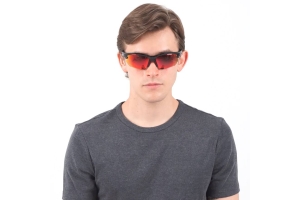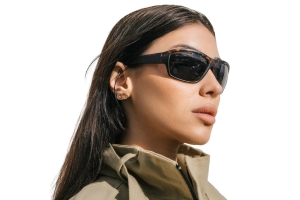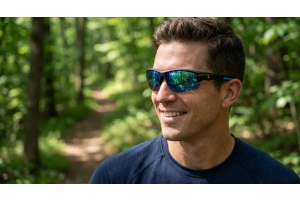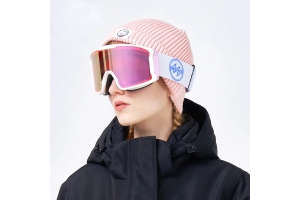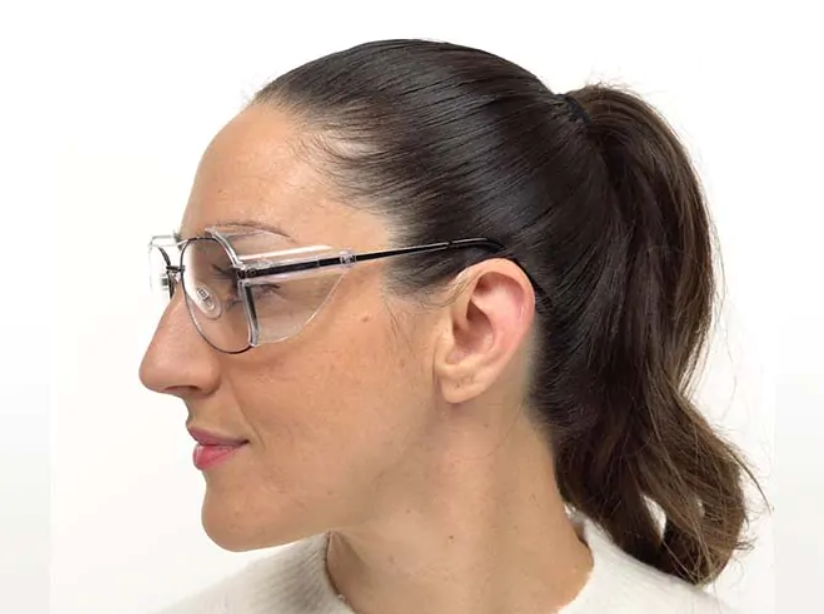
The role of eyewear has changed dramatically over the past decade. What was once viewed primarily as workplace safety equipment is now becoming part of everyday life. Modern prescription protective glasses combine vision correction, impact protection, comfort, and style in a way that appeals to professionals, outdoor enthusiasts, hobbyists, and anyone who values long-term eye health.
As daily activities increasingly expose people to environmental hazards, screen time, outdoor conditions, and unexpected impacts, more individuals are choosing protective eyewear not just for work, but for everyday use. The shift reflects a growing understanding that eye protection should not be limited to specific job sites.
Why Prescription Protective Glasses Are Gaining Everyday Appeal
Many people assume protective eyewear is only necessary in industrial settings. However, eye injuries can occur in a wide range of environments, including garages, workshops, recreational spaces, and even during routine household projects.
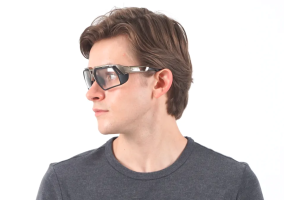
Today's prescription protective glasses are designed to bridge the gap between safety and everyday wearability. Modern frames look similar to traditional eyewear while offering significantly greater durability and protection.
This combination has made them increasingly attractive to people who want reliable vision correction without sacrificing eye safety.
Everyday Situations Where Protective Eyewear Helps
Home improvement projects
Yard work and landscaping
Cycling and outdoor recreation
Automotive maintenance
Workshop activities
DIY repairs
Sports and hobbies
Many of these situations present risks that people often underestimate.
Protection Beyond the Workplace
The human eye is extremely vulnerable to injury from small particles, debris, dust, and unexpected impacts. Even minor incidents can result in significant discomfort or long-term damage.
Protective eyewear helps create an additional barrier between the eyes and potential hazards. Eye care professionals and safety experts consistently recommend preventive protection because many eye injuries are entirely avoidable.
Common Everyday Eye Hazards
Activity | Potential Risk |
Mowing lawns | Flying debris |
Woodworking | Dust and splinters |
Cycling | Insects and road particles |
Home repairs | Impact hazards |
Yard maintenance | Branches and debris |
Sports activities | Accidental contact |
These risks exist regardless of whether someone works in a traditional industrial environment.
The Growing Demand for Multi-Purpose Eyewear
Consumers increasingly prefer products that serve multiple purposes. Eyewear is no exception.
Rather than owning separate glasses for work, hobbies, outdoor activities, and everyday use, many people are choosing solutions that provide protection across multiple environments.
Modern prescription protective glasses meet this demand by combining durability, comfort, and optical clarity in a single pair of glasses.
Benefits of Multi-Purpose Eyewear
Reduced need for multiple pairs
Consistent visual correction
Enhanced eye protection
Improved convenience
Long-term value
Greater everyday usability
This versatility is one reason protective eyewear continues to grow in popularity.
Comfort Has Become a Priority
Older protective eyewear often prioritized protection at the expense of comfort. Bulky frames and heavy construction discouraged long-term wear.
Today's designs focus heavily on ergonomics and all-day usability. Lightweight materials and improved frame engineering allow users to wear protective eyewear for extended periods without discomfort.
Features That Improve Comfort
Lightweight materials
Adjustable nose pads
Flexible temples
Improved weight distribution
Wider field of vision
Better ventilation
These improvements help users wear protective eyewear comfortably throughout the day.
Why Outdoor Enthusiasts Are Making the Switch
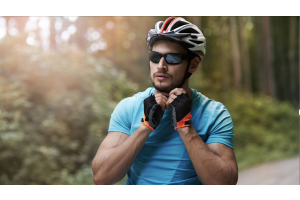
Protective eyewear has become increasingly common among cyclists, motorcyclists, anglers, and outdoor recreation enthusiasts.
These users recognize that vision correction alone is often not enough when facing wind, dust, insects, road debris, and changing environmental conditions.
For motorcyclists in particular, eyewear fit can significantly affect comfort and safety. Selecting eyewear that works properly with protective headgear is essential for long-term comfort and reliable vision.
For many outdoor users, protective eyewear provides a practical solution that improves both safety and visual performance.
Modern Designs No Longer Look Like Safety Equipment
One of the biggest factors driving adoption is aesthetics.
Today's prescription protective glasses no longer resemble the oversized safety eyewear of previous generations. Manufacturers have invested heavily in modern frame styles that blend seamlessly into everyday life.
Design Improvements
Traditional Safety Eyewear | Modern Protective Eyewear |
Bulky appearance | Streamlined designs |
Limited style options | Contemporary frames |
Heavy construction | Lightweight materials |
Workplace-only look | Everyday versatility |
This evolution has helped eliminate much of the stigma historically associated with protective eyewear.
Clear Vision and Protection Work Together
Vision correction and eye protection should not be viewed as separate priorities.
When individuals can see clearly while remaining protected, they are better equipped to perform tasks safely and confidently. This is particularly important for professionals who rely on precise visual accuracy throughout the day.
Advantages of Combining Both
Better visual accuracy
Reduced eye strain
Improved productivity
Greater situational awareness
Increased confidence
Enhanced safety
These benefits apply equally to work environments and everyday activities.
The Financial Benefits of Protective Eyewear
Many people initially focus on the cost of eyewear rather than its value.
Protective glasses can help reduce the likelihood of eye injuries, damaged prescription lenses, and frequent replacements. Their durability often translates into lower long-term ownership costs.
Long-Term Value Factors
Durable construction
Reduced lens breakage
Better protection against scratches
Extended product lifespan
Fewer replacement costs
Investing in quality eyewear often proves more economical over time.
Who Should Consider Prescription Protective Glasses?
Protective eyewear is no longer limited to a specific profession.
Ideal Candidates Include
Tradespeople
Mechanics
DIY enthusiasts
Motorcyclists
Cyclists
Outdoor workers
Hobbyists
Frequent travelers
Anyone who values both clear vision and eye safety can benefit from incorporating protective eyewear into daily life.
Key Features to Look For
Not all eyewear offers the same level of protection or comfort.
Before purchasing, it is helpful to evaluate several important factors.
Buyer Checklist
✔ Durable frame construction
✔ Impact-resistant lenses
✔ Comfortable fit
✔ Prescription compatibility
✔ UV protection
✔ Modern styling
✔ All-day wearability
Selecting eyewear with these characteristics helps ensure a better overall experience.
Why RX Safety Canada Is a Trusted Choice
When purchasing protective eyewear, expertise matters. RX Safety Canada has built a strong reputation by providing high-quality prescription safety solutions designed for real-world use.
Beyond protective eyewear, RX Safety Canada is also the ultimate destination for professionals seeking surgical headlights. Healthcare practitioners rely on dependable illumination and optical performance, and RX Safety Canada offers specialized solutions designed to support demanding clinical environments.
This commitment to quality, safety, and customer-focused expertise makes RX Safety Canada a trusted resource for both protective eyewear and professional vision-related equipment.
Why Protective Eyewear Is Becoming the New Standard
Consumer expectations have changed. People increasingly expect products to offer both performance and versatility.
Eyewear is following the same trend. Rather than viewing protection as something reserved for specific tasks, many individuals now see it as a valuable everyday feature.
As awareness of eye safety grows, the demand for prescription protective glasses is likely to continue increasing across both professional and recreational markets.
Conclusion
The growing popularity of prescription protective glasses reflects a broader shift toward proactive eye protection and practical everyday functionality. Modern designs provide clear vision, dependable protection, and comfortable wear in a wide variety of environments, making them far more versatile than traditional safety eyewear.
Whether used for work, recreation, home projects, or daily activities, protective eyewear offers benefits that extend well beyond occupational requirements. As more people prioritize long-term eye health, comfort, and convenience, prescription protective solutions are becoming an essential part of modern eyewear rather than a specialized accessory.