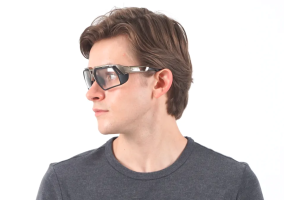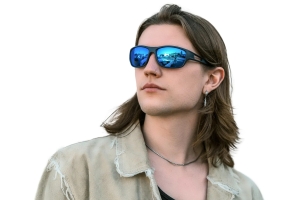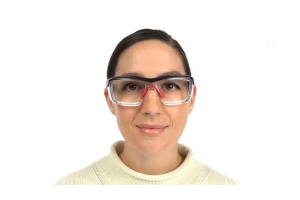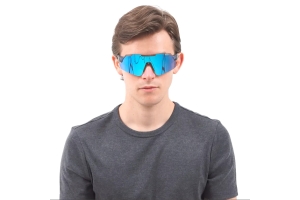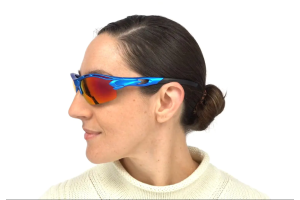
For most riders, choosing eyewear is about clarity, comfort, and protection from wind or debris. But one critical factor often gets overlooked: how well your eyewear works with your helmet. This is where many riders run into problems with prescription motorcycle glasses, especially during long rides.
Even well-made glasses can become uncomfortable or ineffective if they do not integrate properly with a helmet. Pressure points, shifting frames, and restricted vision are common issues that affect both safety and performance.
Prescription Motorcycle Glasses and Helmet Compatibility
The biggest issue with prescription motorcycle glasses is not always the lens quality or durability. It is how the eyewear interacts with the helmet design.
Helmets are built to fit snugly around the head. When glasses are added, the temples often press against the sides of the head. This can cause discomfort within minutes, especially on longer rides.
Over time, this pressure can lead to headaches or force riders to adjust their glasses repeatedly. This constant adjustment can become a distraction, which is a safety concern on the road.
Why Standard Glasses Fail Under Helmets
Most regular motorcycle glasses are not designed with helmet use in mind. The temple arms are often too rigid or thick.
When worn under a helmet, these arms can dig into the skin. This not only causes discomfort but can also affect how securely the helmet fits.
A poor fit compromises both protection and stability. Even slight shifts in helmet position can reduce its effectiveness during impact.
The Fit Problem: Pressure, Slippage, and Gaps
Helmet compatibility issues usually show up in three ways:
- Pressure on the temples or behind the ears
- Slipping frames due to movement or sweat
- Gaps that allow wind or debris to enter
Each of these problems affects the riding experience. Pressure leads to fatigue, slippage affects vision, and gaps reduce protection.
High-quality prescription motorcycle riding glasses are designed to minimize these issues by focusing on fit as much as function.
Why Goggles Often Perform Better
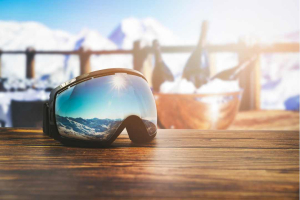
For many riders, prescription motorcycle goggles provide a better solution. They are designed to work with helmets rather than against them.
Goggles use adjustable straps instead of rigid arms. This eliminates pressure points and ensures a more secure fit.
They also create a sealed environment around the eyes. This reduces wind exposure and improves comfort during high-speed rides.
Key Features That Improve Helmet Compatibility
Not all eyewear is built for helmet use. Riders need to look for specific features that support both comfort and performance.
Essential Compatibility Checklist
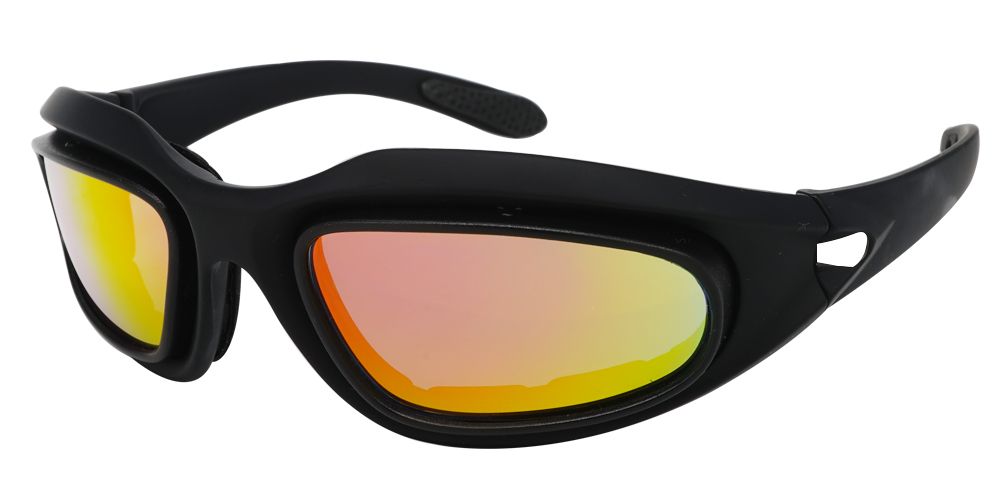
- Thin, flexible temple arms or strap-based designs
- Lightweight frames to reduce pressure
- Anti-slip nose pads for stability
- Foam padding for a better seal
- Ventilation to prevent fogging
These features help ensure that eyewear remains comfortable and functional under a helmet.
Lens Performance Still Matters
While fit is critical, lens quality cannot be ignored. Clear vision is essential for safe riding.
Prescription motorcycle sunglasses are useful for daytime rides. They reduce glare and improve contrast, especially in bright conditions.
For variable lighting, riders may prefer interchangeable lenses or adaptive options. This allows them to maintain visibility without switching eyewear.
Balancing Comfort and Protection
The challenge is finding eyewear that offers both comfort and protection. Too much focus on one can compromise the other.
For example, heavily padded goggles may feel comfortable but can restrict airflow. On the other hand, minimal designs may improve ventilation but reduce protection.
This balance is important for long rides where conditions change over time.
Common Mistakes Riders Make
Many riders choose eyewear based on appearance or price rather than functionality. This often leads to compatibility issues.
What to Avoid
- Thick temple arms that do not fit under helmets
- Frames without grip or stability features
- Lenses without proper UV or glare protection
- Poor ventilation leading to fogging
Avoiding these mistakes can significantly improve both comfort and safety.
Overlooking Long-Distance Comfort
Short rides may not reveal fit issues immediately. Problems often appear after extended use.
Pressure points become more noticeable over time. Fogging may increase as conditions change. Small discomforts can turn into major distractions.
This is why long-distance riders prioritize compatibility when choosing prescription motorcycle glasses.
Ignoring Environmental Factors
Weather, speed, and terrain all affect eyewear performance. Wind resistance, dust, and temperature changes can impact visibility.
Riders who understand these factors tend to choose more adaptable solutions. This often includes goggles or specialized riding glasses.
It also helps to understand how different lens options perform in real conditions, especially when considering comfort factors that prescription motorcycle sunglasses provide for long and comfortable rides.
Choosing the Right Eyewear for Your Helmet
Finding the right eyewear requires testing how it fits with your helmet. This step is often skipped, but is essential.
Practical Selection Tips
- Try eyewear with your helmet before committing
- Check for pressure points after a few minutes
- Move your head to test stability
- Evaluate visibility from different angles
These steps help ensure that your eyewear performs well in real riding conditions.
Comparing Glasses vs Goggles
Feature | Glasses | Goggles |
Helmet Compatibility | Moderate | High |
Comfort (Long Rides) | Variable | Consistent |
Wind Protection | Limited | Strong |
Stability | Can shift | Secure fit |
This comparison highlights why many riders prefer goggles for extended or high-speed use.
Why Riders Trust RX Safety Canada
RX Safety Canada focuses on providing eyewear designed for real riding conditions. Their range includes solutions that address both vision and helmet compatibility.
Each product is built with safety and usability in mind. This ensures that riders get consistent performance without compromising comfort.
In addition to eyewear, RX Safety Canada is also the ultimate place for buying surgical headlights. Their expertise extends to products that require precision and reliability.
Built for Real-World Use
What sets RX Safety Canada apart is its focus on practical performance. The products are designed to handle the challenges riders face daily.
From lens clarity to frame design, every detail is considered. This reduces the risk of discomfort or failure during use.
Final Thoughts
Helmet compatibility is one of the most overlooked factors in motorcycle eyewear. Even high-quality lenses cannot compensate for poor fit or discomfort.
Prescription motorcycle glasses must work seamlessly with helmets to provide both protection and performance. Without this compatibility, even the best eyewear can fall short.
By focusing on fit, features, and real-world usability, riders can make better choices. This leads to safer, more comfortable rides over the long term.