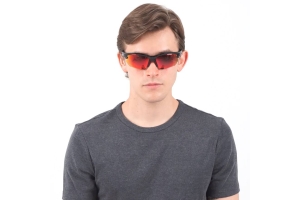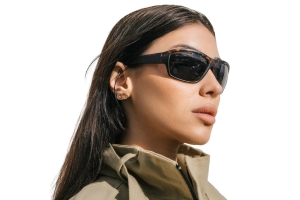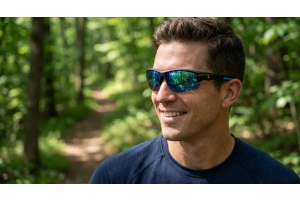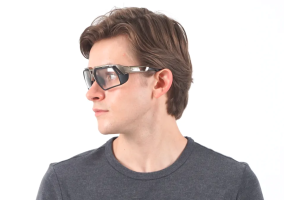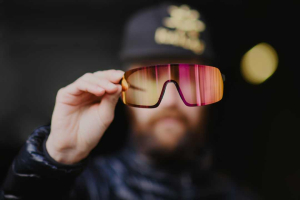
Moving between indoor and outdoor work can make eyewear surprisingly difficult to manage. Bright sunlight requires protection from excessive light, while indoor environments usually call for clearer lenses. Transition safety glasses address this problem by using light-responsive lenses that change their tint according to UV exposure, giving workers one pair of protective eyewear for changing conditions.
For prescription wearers, this can be especially useful. Instead of repeatedly switching between clear prescription safety glasses and tinted eyewear, a photochromic lens can provide corrective vision while adapting to changes in outdoor brightness.
How Transition Safety Glasses Work
Transition lenses, commonly known as photochromic lenses, contain light-sensitive compounds that react to ultraviolet radiation. When exposed to UV light outdoors, the lenses darken. When the wearer returns indoors and UV exposure decreases, they gradually become clearer.
The process is automatic, so the wearer does not need to stop working to change eyewear. The precise speed and degree of darkening depend on the lens technology, temperature, UV exposure, and surrounding conditions.
What Happens During a Typical Workday?
Consider a worker who begins the morning inside a workshop, walks outside to inspect equipment, and then returns indoors to complete paperwork.
With transition lens safety glasses, the lenses can adapt as the worker moves between these environments. The result is less interruption and less need to carry multiple pairs of prescription eyewear.
Why Light Adaptation Improves Comfort
Excessive brightness can cause squinting, eye fatigue, and discomfort, particularly during prolonged outdoor exposure. Sudden changes between dim indoor environments and bright sunlight can also feel uncomfortable while the eyes adapt.
Photochromic lenses reduce this contrast by adjusting their light transmission. They do not eliminate brightness completely, but they can make changes in illumination easier for the eyes to manage.
Comfort Benefits at a Glance
Challenge | How adaptive lenses can help |
Bright outdoor sunlight | Darken in response to UV exposure |
Frequent indoor/outdoor movement | Reduce the need to change eyewear |
Squinting in bright conditions | Lower the amount of light entering the eyes |
Carrying multiple pairs | One pair can serve different environments |
Long working periods | Help maintain more consistent visual comfort |
The practical benefit is particularly noticeable for people whose work requires frequent movement between buildings, vehicles, yards, and outdoor work areas.
Visibility Matters as Much as Comfort
Tint alone does not guarantee better vision. The underlying prescription must remain accurate, and the lenses need to stay properly positioned in front of the eyes.
For workers who require corrective lenses, prescription transition safety glasses combine the adaptive tint with the wearer's specific prescription. This can provide clearer vision than placing ordinary tinted lenses over glasses or repeatedly switching between different pairs.
A stable frame is equally important. If the eyewear slides during physical work, the optical centres can shift relative to the eyes, potentially affecting clarity and making the glasses distracting to wear.
Indoor and Outdoor Work Creates Different Visual Demands
Indoor workplaces often have relatively controlled lighting, while outdoor environments can involve direct sunlight, reflected glare, and rapid changes in brightness.
A construction worker, maintenance technician, delivery professional, or facilities worker may encounter several of these conditions in a single shift. Adaptive eyewear can simplify that transition without requiring the worker to carry separate clear and tinted safety glasses.
The practical considerations involved in this type of work are also explored through transition safety glasses for indoor and outdoor work, particularly where changing environments make consistent eyewear especially useful.
Transition Lenses and UV Exposure
One of the main triggers for photochromic lenses is ultraviolet radiation. Outdoor UV exposure can be substantial even when temperatures are mild, or the sky is partly cloudy.
This makes UV protection an important consideration when choosing protective eyewear. Workers should verify the product specifications rather than assuming that every adaptive lens offers identical protection.
What to Look For
When evaluating adaptive safety eyewear, check:
Appropriate safety certification
UV protection specifications
Accurate prescription availability
Impact-resistant lens options
Suitable frame coverage
Scratch-resistant coatings
A secure and comfortable fit
Protective performance should always be matched to the hazards of the workplace.
Are Transition Safety Glasses Suitable for Every Environment?
Adaptive lenses are highly practical, but they are not a universal replacement for every type of protective eyewear.
Some vehicles and enclosed environments filter significant amounts of UV radiation through the windshield. As a result, photochromic lenses may not darken as much inside a vehicle as they would outdoors.
Similarly, workers exposed to extremely intense glare may require specialized tinted or polarized safety eyewear rather than relying solely on photochromic activation.
Understanding these limitations is part of choosing eyewear responsibly. The best option depends on the actual working environment and the protection required.
Transition Safety Glasses Online: What Should You Check?
Buying transition safety glasses online can make it easier to compare frame styles, prescription options, lens features, and safety specifications. However, protective eyewear should be evaluated by performance rather than appearance alone.
Before ordering, consider:
Your prescription: Confirm that your exact prescription can be accommodated.
Safety rating: Check that the selected configuration meets the required standard.
Lens material: Verify the available impact-resistant options.
Frame fit: Consider measurements carefully to avoid excessive movement.
Work environment: Identify whether you spend most of your time indoors, outdoors, or moving between both.
Additional PPE: Check compatibility with helmets, hearing protection, face shields, or other equipment.
These details help prevent the common mistake of treating protective eyewear like ordinary fashion glasses.
When Adaptive Eyewear Makes the Most Sense
Transition safety glasses are particularly useful for people whose workday is not confined to one lighting environment.
They can be a practical option for:
Construction professionals
Maintenance workers
Surveyors
Utility workers
Delivery personnel
Facilities teams
Outdoor inspectors
Agricultural workers
For these occupations, changing eyewear repeatedly can be inconvenient. A properly selected adaptive pair can provide a simpler approach while maintaining prescription correction and workplace protection.
RX Safety Canada and Prescription Protective Eyewear
RX Safety Canada specializes in prescription protective eyewear for people who need reliable vision correction in demanding environments. Its range of adaptive safety eyewear allows prescription wearers to consider photochromic options alongside different frame styles and protective configurations.
That specialist focus matters because workplace eyewear needs to balance several factors at once: prescription accuracy, protective performance, fit, durability, and comfort. A lens that changes tint is useful, but it still needs to function as appropriate protective eyewear for the environment in which it is being used.
Final Thoughts
Transition safety glasses offer a practical solution for workers who regularly move between indoor and outdoor environments. Their ability to respond to UV exposure can reduce the inconvenience of carrying multiple pairs while helping manage changes in brightness throughout the working day.
For prescription wearers, transition lens safety glasses can combine adaptive light management, corrective vision, and protective eyewear in one system. The right choice still depends on workplace hazards, required certification, lens performance, and fit, but when those factors are properly considered, adaptive safety eyewear can make changing work environments considerably more comfortable and manageable.