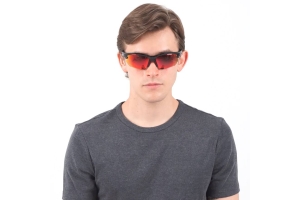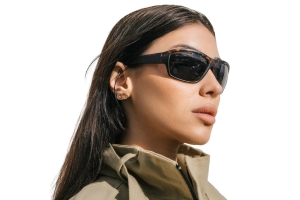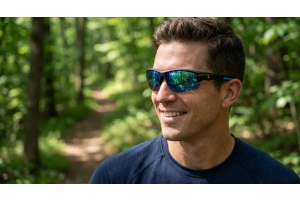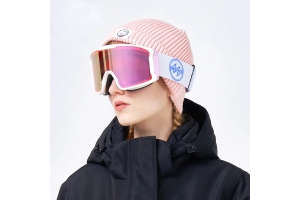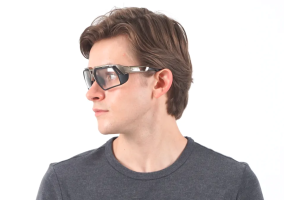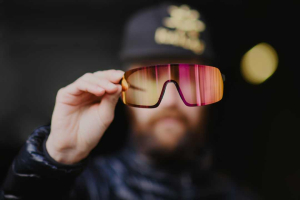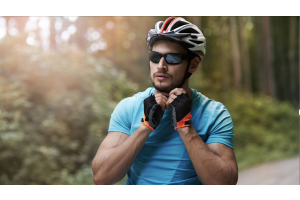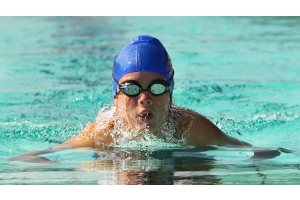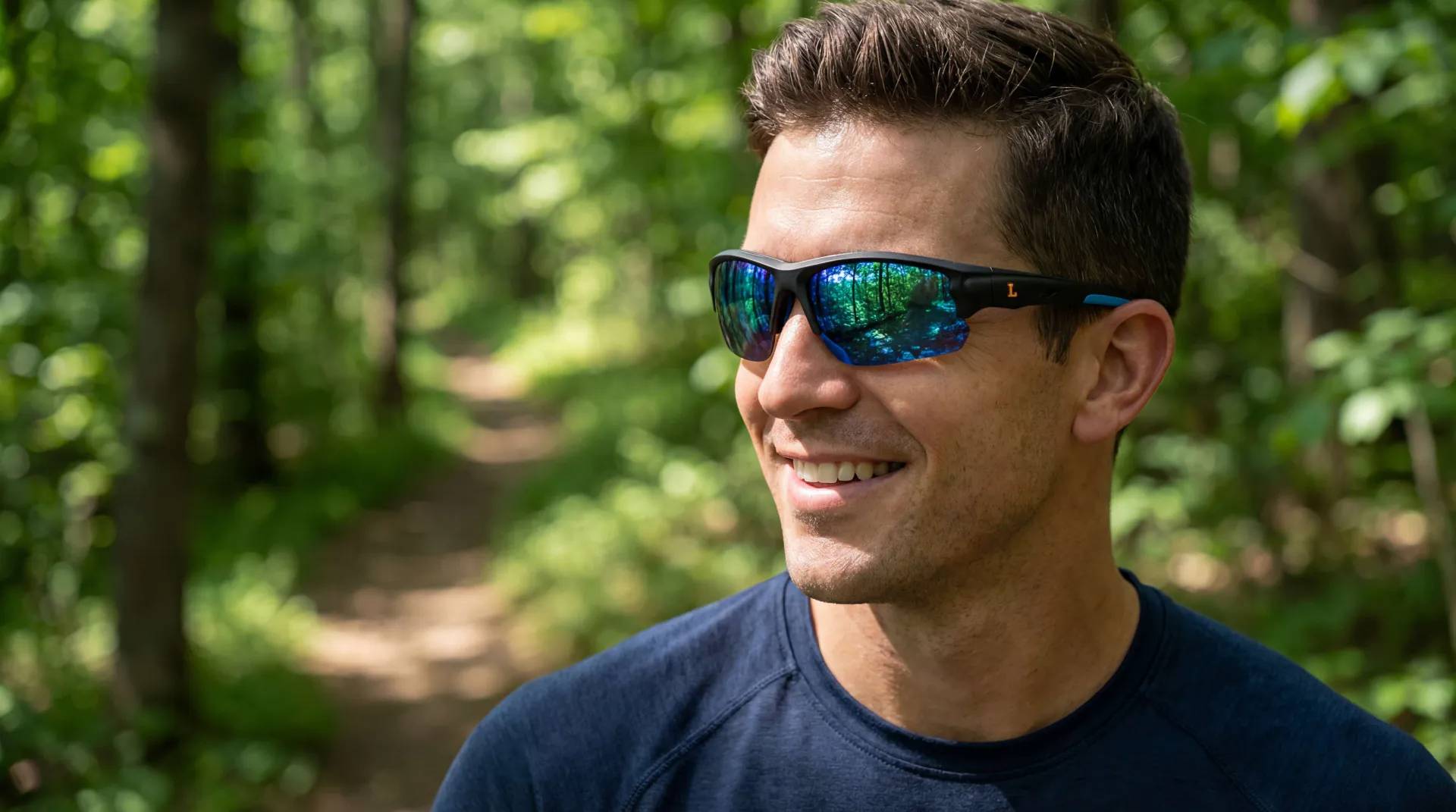
Outdoor activities place different demands on eyewear than everyday use. Cycling, fishing, jogging, boating, and baseball involve movement, changing light, glare, wind, and extended time outdoors. Prescription sports sunglasses combine vision correction with sport-oriented designs, giving people who need prescriptions a practical alternative to wearing ordinary glasses during active pursuits.
The right pair should do more than correct vision. Frame stability, lens performance, comfort, coverage, and available lens options all influence how well sports eyewear performs during real activity. Choosing based on the sport and environment makes the decision more useful than selecting a frame based only on appearance.
Why Prescription Sports Sunglasses Matter
Regular prescription glasses are designed primarily for everyday vision correction. They may work well for walking or casual outdoor use, but movement can expose limitations. A frame that feels secure indoors may shift during jogging or cycling, while ordinary lenses may not provide the sunlight and glare management needed outdoors.
Sports eyewear is designed around these practical conditions. A secure fit helps keep the prescription properly positioned in front of the eyes, while suitable lens options can improve comfort in bright or changing environments. For prescription wearers, having correction built into the sports frame also removes the need to layer separate eyewear.
What Outdoor Performance Requires
Before choosing sports eyewear, consider the conditions rather than the product's appearance. Important factors include:
The type and intensity of physical activity
Brightness and exposure to direct sunlight
Reflected glare from water, roads, or snow
Whether lighting changes during the activity
How securely the frame stays in position
How long the glasses will be worn
Whether impact protection is relevant to the activity
These considerations help narrow down the right combination of frame and lens features.
Lens Features That Can Improve Outdoor Comfort
Lens selection can have a significant effect on the outdoor experience. A prescription sports frame may be comfortable and stable, but the lens still needs to suit the conditions in which it will be used.
Polarized Lenses
Polarized lenses can help reduce reflected glare from surfaces such as water and roads. This can be useful for fishing, boating, cycling, and other activities where reflected light can become distracting.
They are particularly relevant when visual comfort depends on reducing harsh reflections rather than simply making the overall view darker. However, polarization is a feature to evaluate according to the activity, not a requirement for every outdoor situation.
Transition Lenses
Transition lenses adjust their level of tint according to changing light conditions. This can be useful for people who move between different environments during the same outing.
For example, a cyclist may begin a ride in bright sunlight and later travel through shaded areas. Adaptive lenses can provide greater convenience in situations where carrying or changing between multiple pairs of glasses is impractical.
Four Prescription Sports Sunglasses to Consider
RX Safety Canada offers several sports-focused prescription models designed around different outdoor activities and lens preferences.
Matrix Peak Prescription Sports Glasses
The Matrix Peak prescription sports glasses are ANSI Z87.1 certified and are positioned for jogging, boating, and baseball.
This makes the model relevant for active users who want prescription correction combined with a safety-certified sports design. The broad activity range also makes it a practical option for people who participate in more than one outdoor sport.
For users who need prescription eyewear during movement, the key considerations are secure positioning, comfortable wear, and choosing a lens configuration appropriate for the activity and lighting conditions.
Avalanche Prescription Sports Sunglasses
The Avalanche prescription sports sunglasses are ANSI Z87.1 certified and provide a prescription sports option for active outdoor use.
The safety certification is an important consideration for users who require sports eyewear associated with ANSI Z87.1 requirements. As with any protective sports frame, the intended activity and relevant safety requirements should be considered before purchase.
The model can suit prescription wearers who want sports-oriented eyewear without giving up corrective vision. Fit remains important because glasses that move during activity can become distracting and reduce overall comfort.
Steele Prescription Sports Glasses
The Steele prescription sports glasses are designed for cycling, fishing, jogging, and baseball. They are available with either polarized or transition lenses, giving users two different approaches to outdoor light management.
The polarized option can be useful where reflected glare is a regular concern, particularly around water or bright outdoor surfaces. Transition lenses offer a different advantage for users who experience changing light during the same activity.
This flexibility makes the Steele model worth considering for people whose outdoor routines vary. The best lens choice depends on whether glare reduction or changing-light convenience is the more important requirement.
Temple Prescription Sports Glasses
The Temple prescription sports glasses are also designed for cycling, fishing, jogging, and baseball, with polarized or transition lens options.
The activity coverage makes them suitable for users who want one prescription sports frame for several outdoor pursuits. Polarized lenses can address reflected glare, while transition lenses are useful for conditions where light levels vary.
When comparing the Temple with other sports models, prescription accuracy, frame comfort, stability, and the lens option that best matches the user's regular activities should be considered together.
RX Sunglasses Buying Checklist
When comparing Rx sunglasses for sports and outdoor use, consider:
Is your prescription current?
Does the frame stay secure during movement?
Is the lens suitable for your usual light conditions?
Would polarization help with reflected glare?
Would transition lenses be useful for changing environments?
Does the frame remain comfortable during extended wear?
Does the model meet any applicable safety requirements?
Can the eyewear support your primary sports and activities?
A current prescription is especially important for sports because clear vision contributes to awareness of terrain, moving objects, equipment, and surroundings.
Conclusion
Prescription sports sunglasses are designed to address a combination of vision correction, outdoor light, movement, and comfort. The right model depends on the activity, environment, prescription, frame fit, and lens requirements rather than appearance alone.
Start by identifying the conditions you encounter most often. Then compare certification, lens type, glare management, adaptability, comfort, and stability. A careful selection process helps ensure your sports eyewear supports clear, comfortable vision throughout the activity.