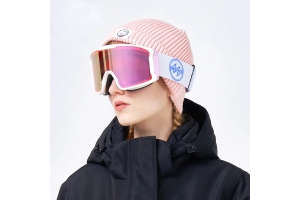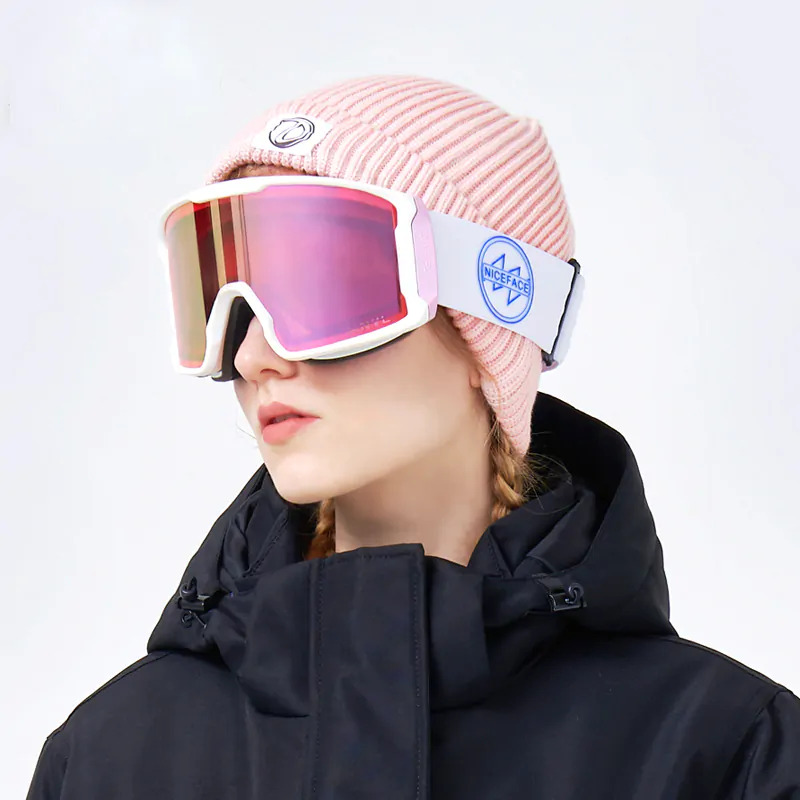
Snowboarding puts unusual demands on vision. Bright snow, changing weather, wind, falling flakes, and rapid movement can all make it harder to see clearly. For riders who need vision correction, prescription snowboard goggles provide a way to combine corrective vision with the coverage and lens features needed on the slopes.
Good snowboard eyewear is not simply about finding a lens that looks dark enough. Fit, fog resistance, UV protection, impact resistance, prescription accuracy, and visibility in changing conditions all deserve attention. The right combination can make it easier to maintain clear vision from the first run to the last.
Why Prescription Snowboard Goggles Matter
Ordinary prescription glasses are not designed specifically for snowboarding. They can become uncomfortable under a helmet, collect moisture, or allow wind and snow to reach the eyes. Frames can also shift during movement, which is particularly distracting when navigating uneven terrain.
Goggles address these problems by creating broader coverage around the eyes. When prescription correction is incorporated into the solution, riders can avoid relying on ordinary glasses that may not work well with a helmet and goggle setup.
Clear Vision Is Part of Slope Safety
Vision affects much more than comfort while snowboarding. Riders need to recognise changes in terrain, other people, signs, obstacles, and variations in snow conditions.
Prescription correction should therefore be treated as an important part of the equipment decision. If your prescription has changed, updating it before choosing new goggles can help ensure that the visual correction matches your current needs.
Choosing Prescription Snow Goggles for Changing Conditions
Mountain weather can change quickly. A sunny morning can become overcast, while snowfall can reduce contrast and visibility within minutes. This makes lens performance especially important for snowboarders.
Bright and Sunny Days
Strong sunlight can create glare across the snow surface. A suitable lens can reduce excessive brightness and make outdoor conditions more comfortable.
Riders should still prioritise clear detail. Being able to distinguish bumps, edges, and changes in terrain is more useful than selecting a lens solely because it appears very dark.
Cloudy or Snowy Conditions
Flat light can make terrain contours harder to recognise. In these conditions, a lens that preserves contrast may be more useful than one optimised only for intense sunlight.
This is one reason riders should consider where and when they normally snowboard. A lens suitable for bright resort conditions may not provide the same visual experience during heavy snowfall.
Temperature and Moisture
Cold temperatures combined with physical activity can create challenging conditions for eyewear. Heat and moisture from the face can contribute to condensation, while snow and moisture can accumulate on the exterior.
A secure fit, suitable ventilation, and anti-fog lens construction all contribute to maintaining usable vision throughout a session.
Prescription Snowboard Goggle Options to Consider
RX Safety Canada provides several prescription snow-sport options that can be compared according to lens construction, intended features, and personal fit.
Durango Prescription Ski and Snowboard Goggles
The Durango prescription ski and snowboard goggles feature dual-layer anti-fog lenses, impact resistance, and UV-blocking characteristics.
These features make the model worth considering for riders who want prescription snow eyewear designed around common slope conditions. As with any goggle, fit and prescription requirements should be confirmed before ordering.
Murray Prescription Ski and Snowboard Goggles
The Murray prescription ski and snowboard goggles use dual-layer anti-fog lenses.
For riders who frequently deal with temperature differences between the face and surrounding air, anti-fog construction is an important practical feature. The frame should also fit securely with the rider's helmet and remain comfortable during extended use.
Herman Prescription Ski and Snowboard Goggles
The Herman prescription ski and snowboard goggles are listed with dual-layer anti-fog lenses.
This construction is useful for riders who want to reduce fogging whi
le maintaining a clear field of view during active use. The prescription configuration makes the goggles suitable for riders who need corrective vision without relying on a separate pair of everyday glasses beneath their snow gear.
Comparing the Options
The most useful way to compare these models is by considering the conditions in which they will be worn.
Feature | Why It Matters on the Slopes |
Prescription correction | Supports accurate vision for terrain and obstacles |
Dual-layer lenses | Helps manage temperature-related fogging |
Anti-fog construction | Supports clearer vision during activity |
UV protection | Helps reduce exposure to ultraviolet radiation |
Impact resistance | Relevant to falls and active snow-sport conditions |
Helmet compatibility | Helps maintain a comfortable, secure setup |
Fit | Reduces movement and unwanted gaps |
Prescription Snowboard Goggles Buying Checklist
Before ordering, work through this checklist:
Is your prescription current?
Does the goggle design accommodate your prescription needs?
Does the lens provide the protection specified for outdoor snow use?
Is anti-fog performance important for your typical conditions?
Will the goggles fit comfortably with your helmet?
Does the lens suit bright, cloudy, or mixed conditions?
Is the frame stable without creating excessive pressure?
Have you checked the exact product specifications before ordering?
These questions help prevent a common mistake: choosing goggles based mainly on appearance. Snowboard eyewear is functional equipment, so performance and fit should come before style.
Why Fit Deserves Extra Attention
A well-designed lens cannot compensate for a poor fit. Gaps can allow wind and snow into the eye area, while excessive pressure can make goggles uncomfortable during a long day.
Check the bridge, frame contact points, strap position, and helmet interaction. The goggles should remain stable when you move your head without needing constant adjustment.
RX Safety Canada gives prescription wearers a specialized place to compare snow-sport eyewear alongside other prescription eyewear options. For snowboarders, the practical advantage is being able to evaluate corrective vision together with features such as anti-fog construction, lens protection, and slope-oriented coverage.
Conclusion
Prescription snowboard goggles can make a meaningful difference for riders who need vision correction on the slopes. Clear prescription lenses, appropriate coverage, fog management, UV protection, impact resistance, and a secure fit all contribute to a more practical setup.
The best choice depends on the rider's prescription and typical snow conditions. Compare the lens features carefully, check compatibility with your helmet, and verify the exact product specifications before ordering. Good slope vision starts with eyewear that is designed for the conditions in which it will actually be used.