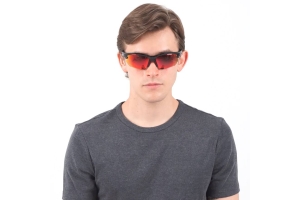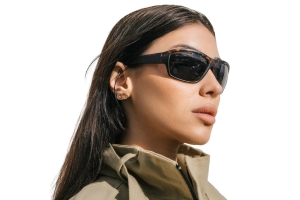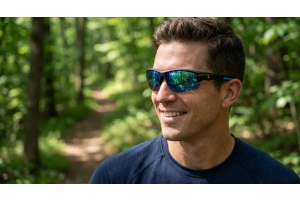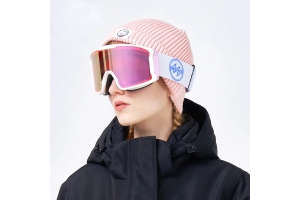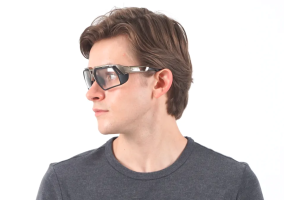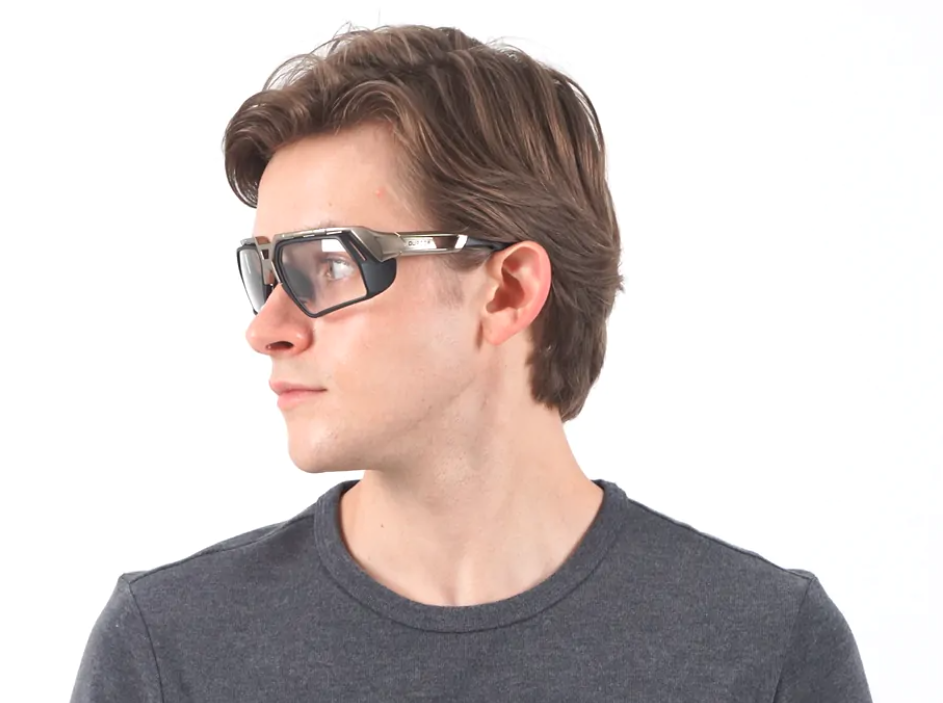
Workplace eye injuries can happen quickly, often when workers are focused on a routine task. Dust, flying particles, metal fragments, chemical splashes, and other hazards can reach the eyes with little warning. Z87 safety glasses are designed to provide a level of eye protection that ordinary eyewear cannot be assumed to provide.
For prescription wearers, the distinction is especially important. Corrective lenses help you see clearly, but vision correction and impact protection are separate considerations. Protective eyewear needs to be selected according to the hazards present and the relevant safety requirements.
What Makes Z87 Safety Glasses Different?
The "Z87" marking is associated with the ANSI Z87.1 standard for occupational and educational personal eye and face protection devices. The standard addresses performance requirements for protective eyewear, including areas such as impact resistance, optical quality, coverage, and other design considerations.
It is important to understand that not every pair of glasses carrying a general "safety" description provides identical protection. Workers should look for the appropriate markings and verify that the specific eyewear configuration meets the requirements of their workplace.
What the Standard Addresses
Depending on the product and classification, protective eyewear can be evaluated for:
Impact resistance
Optical performance
Lens and frame durability
Coverage and protection
Flammability
Other performance characteristics relevant to protective eyewear
The exact requirements depend on the applicable classification and workplace hazard. A safety marking is therefore useful because it provides a defined performance reference rather than relying on general claims.
Understanding ANSI Z87 Safety Glasses
ANSI Z87 Safety Glasses are commonly used in environments where workers may encounter flying objects, particles, or other eye hazards. The standard provides a recognised framework for evaluating protective eyewear.
However, workers should not assume that the Z87 designation means every model offers the same level of impact protection. Some products are designed for basic impact protection, while others may meet additional high-impact requirements.
Common Workplace Hazards
Different occupations create different risks. A construction worker may face flying fragments from drilling or cutting, while a laboratory worker may be more concerned about chemical splashes.
Particles and Debris
Grinding, drilling, sanding, sawing, and machining can produce small particles that travel rapidly toward the eyes. Even apparently minor debris can cause serious irritation or injury.
Protective lenses create a physical barrier between the eye and these particles. The appropriate eyewear should be selected according to the size, speed, and nature of the expected hazard.
Chemical Exposure
Laboratory, manufacturing, cleaning, and industrial environments can involve liquids or airborne substances that may irritate or damage the eyes.
Basic safety glasses may not provide sufficient protection against every type of chemical splash. In higher-risk situations, goggles or face protection may be required to provide more complete coverage.
Dust and Airborne Particles
Construction, woodworking, agriculture, and manufacturing can expose workers to airborne dust. Fine particles can remain suspended in the air and enter the eyes from different directions.
A closer-fitting frame or Z87 safety goggles may provide better coverage for environments where airborne particles are a significant concern.
Impact Protection Is Not the Same as Prescription Correction
A common misconception is that strong prescription lenses automatically provide adequate eye protection. They do not.
Prescription lenses are manufactured to correct refractive errors. Protective lenses are designed and tested to meet specific performance requirements. These functions can be combined, but one does not automatically guarantee the other.
This distinction is particularly important for workers who rely on glasses throughout their shift. Purpose-built prescription protective eyewear allows vision correction to be incorporated into a safety-oriented frame and lens system.
Z87 Safety Glasses and Optical Clarity
Protective eyewear should not create unnecessary visual problems. Distortion, poor prescription positioning, or an uncomfortable frame can make detailed tasks more difficult.
Optical quality is especially important for workers who perform precision tasks. Electricians, machinists, technicians, laboratory personnel, and inspectors may need to distinguish small details while maintaining awareness of nearby hazards.
For prescription wearers, the lens needs to provide accurate correction while the frame maintains appropriate positioning. This is one reason purpose-built prescription safety eyewear can be preferable to simply wearing ordinary glasses beneath protective eyewear.
When Safety Goggles Are the Better Choice
Safety glasses are appropriate for many workplace hazards, but they are not the universal solution. Some environments require greater enclosure around the eyes.
Z87 safety goggles can be particularly useful where workers face:
Chemical splash hazards
Fine dust
High levels of airborne particles
Certain laboratory hazards
Situations requiring closer facial coverage
Workers should follow their employer's hazard assessment and PPE requirements rather than selecting glasses or goggles based solely on comfort.
A Practical Workplace Selection Checklist
Before choosing protective eyewear, consider the actual conditions in which it will be used.

What hazards could reach the eyes?
Are particles travelling at high speed?
Is chemical splash protection required?
Is side protection necessary?
Does the eyewear carry the appropriate markings?
Is prescription correction required?
Will it be worn with a helmet or face shield?
Can it remain comfortable for a full shift?
Does it provide adequate visibility for the task?

This approach helps workers choose protection based on risk rather than simply selecting the most convenient frame.
Why Modern Z87 Eyewear Focuses on Wearability
Protective eyewear needs to be worn consistently to provide its intended benefit. A frame that is heavy, uncomfortable, or constantly slipping is more likely to be adjusted or removed.
Modern protective designs increasingly combine safety requirements with practical features such as lightweight materials, improved fit, better peripheral coverage, and more contemporary frame profiles. These changes can make protective eyewear easier to incorporate into a normal working day.
The growing preference for these designs is why workers prefer modern Z87 safety glasses, particularly as comfort and everyday usability become more important alongside certified protection.
Choosing Z87 Safety Glasses Online
Buying protective eyewear online can provide access to a wider selection of frame styles and prescription options, but the same level of scrutiny should apply as it would to an in-person purchase.
RX Safety Canada specialises in prescription and protective eyewear, making it easier for workers and prescription wearers to compare safety-rated options based on frame design, lens configuration, and intended use.
Always verify the specific product's certification, markings, lens material, and intended application before making a purchase. Workplace requirements should take priority over general product descriptions.
Final Thoughts
Z87 safety glasses provide an important line of defence against workplace eye hazards when the selected eyewear meets the requirements of the specific environment. Their value comes from combining protective performance with optical clarity, stable fit, and appropriate coverage.
The right choice depends on the hazard assessment, required safety standard, prescription needs, and working conditions. For some tasks, safety glasses may be appropriate, while others call for goggles or additional face protection. Treating eye protection as part of the overall PPE system helps workers maintain clear vision without overlooking the risks their jobs present.