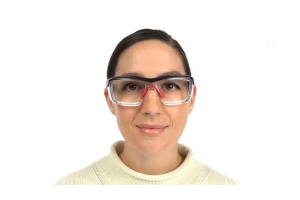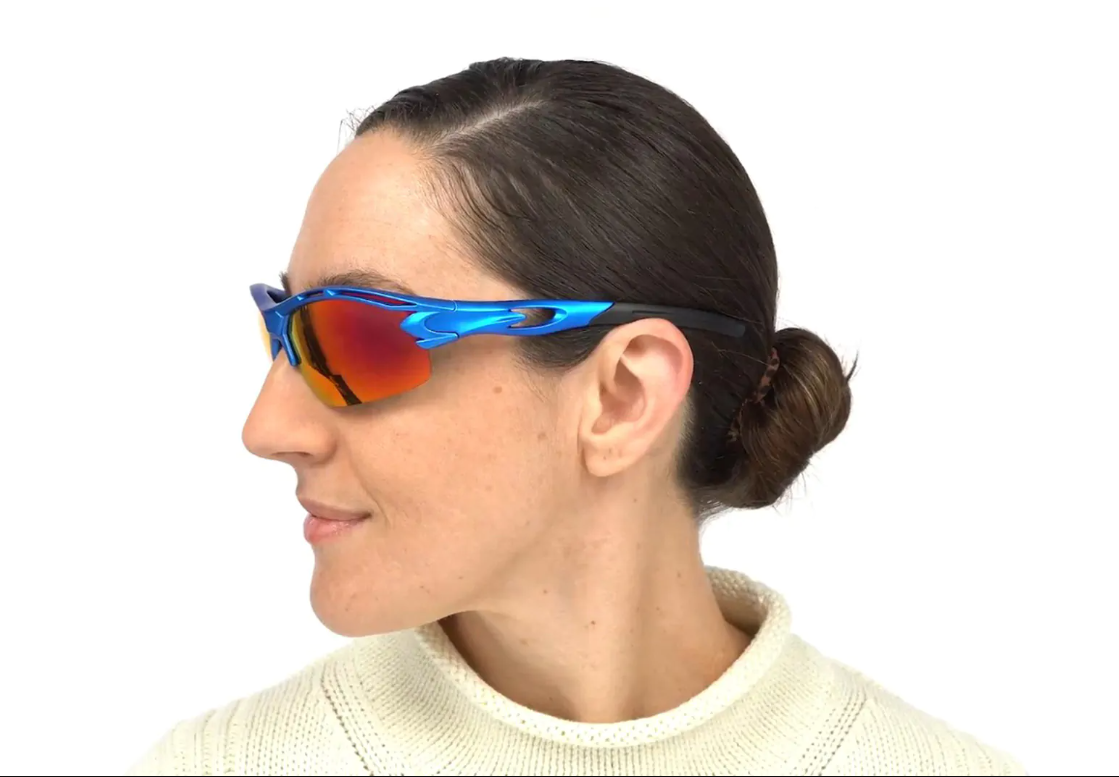
Workers who regularly move between indoor and outdoor environments face a common challenge. Standard clear safety glasses may feel too bright outside, while tinted lenses can make indoor tasks difficult. This is why many professionals consider the best transition safety glasses. These lenses automatically adjust to changing light conditions, offering a practical solution for people who need consistent vision and certified eye protection throughout the workday.
Best Transition Safety Glasses: Are They the Right Choice?
Transition lenses darken when exposed to ultraviolet light and return to a clearer state indoors. Instead of carrying multiple pairs of eyewear, workers can rely on a single pair that adapts as lighting conditions change.
However, they are not the ideal solution for every occupation. Understanding how they work and where they perform best helps you make a more informed buying decision.
Quick Self-Assessment
Before choosing transition lenses, ask yourself:
Do you move between indoor and outdoor work several times a day?
Are you frequently exposed to bright sunlight?
Do you spend long hours wearing safety glasses?
Do you need prescription vision correction?
Does your workplace require certified protective eyewear?
If you answered yes to most of these questions, transition lenses may be worth considering.
How Transition Safety Lenses Work
Unlike standard tinted lenses, transition lenses contain photochromic molecules that react to ultraviolet light.
When exposed to sunlight, these molecules change structure and darken the lens. Once you return indoors, the lenses gradually become clear again.
This automatic adjustment helps maintain comfortable vision without manually switching eyewear.
What They Do Well
Transition lenses provide several practical advantages:
Adapt automatically to changing light
Reduce eye strain outdoors
Maintain a clear vision indoors
Eliminate the need for separate clear and tinted glasses
Provide continuous UV protection
For workers constantly changing locations, these benefits can improve both convenience and productivity.
Where Transition Safety Glasses Perform Best
Not every workplace has the same lighting conditions.
The table below highlights where transition lenses are most effective.
Work Environment | Suitability | Reason |
Construction | Excellent | Frequent indoor and outdoor movement |
Utilities | Excellent | Long outdoor exposure with indoor tasks |
Warehousing | Good | Loading docks often involve changing the light |
Landscaping | Excellent | Continuous sunlight exposure |
Manufacturing | Moderate | Depends on indoor lighting conditions |
Laboratories | Limited | Mostly indoor environments |
Workers whose responsibilities change throughout the day often gain the greatest benefit.
Situations Where They May Not Be Ideal
Although versatile, transition lenses have limitations.
Inside Vehicles
Most vehicle windshields block a significant amount of ultraviolet light.
As a result, transition lenses may not darken fully while driving.
Workers who spend much of the day behind the wheel may still prefer dedicated tinted safety eyewear for driving tasks.
Extremely Rapid Light Changes
Transition lenses require a short period to darken and return to a clear state.
For most users, this adjustment is quick enough for normal work. However, occupations involving constant movement between bright sunlight and dark indoor spaces may occasionally notice the transition period.
Prescription or Non-Prescription?
Many workers benefit from prescription transition safety glasses because they combine vision correction and adaptive lens technology in one pair.
Instead of switching between prescription glasses and protective eyewear, workers maintain clear vision while remaining compliant with workplace safety requirements.
This also reduces the likelihood of forgetting or misplacing separate prescription glasses.
Lens Features That Matter Beyond Transition Technology
Photochromic technology is only one part of a quality pair of safety glasses.
Look for additional features such as:
Impact-resistant lenses
Scratch-resistant coating
Anti-fog treatment
UV protection
Comfortable lightweight frames
Wide field of view
Together, these features improve long-term comfort and durability.
Workplace Tip: Transition lenses adapt to changing light, but they should always be paired with certified safety frames that meet the protection requirements of your work environment.
Common Myths About Transition Safety Glasses
Several misconceptions continue to influence buying decisions.
Myth: They Become As Dark As Sunglasses
Transition lenses become significantly darker outdoors, but dedicated sunglasses often provide a darker tint for prolonged exposure to intense sunlight.
Myth: They Stop Working Quickly
Modern photochromic lenses are designed for long-term use. Although performance naturally changes over many years, quality lenses continue to adjust effectively throughout their expected lifespan.
Myth: They Only Benefit Outdoor Workers
Many indoor workers regularly move outside for inspections, deliveries, equipment maintenance, or customer visits.
These workers often benefit just as much from adaptive lenses.
Buying Transition Safety Glasses Online
Shopping for transition safety glasses online offers access to a wider selection of frame styles, prescriptions, and lens options than many physical retailers.
Before placing an order, make sure you have:
A current prescription
Your pupillary distance (PD)
Your preferred frame size
The required workplace safety certification
The lens features that match your daily tasks
Taking a few minutes to confirm these details reduces the likelihood of ordering unsuitable eyewear.
The value of adaptive lenses also becomes clearer when considering prescription sunglasses essential for Canadian summers, where changing outdoor conditions place similar demands on visual comfort and UV protection.
Choosing the Right Frame
Even the best lenses perform poorly if the frame does not fit correctly.
Look for frames that provide:
Comfortable all-day wear
Adjustable nose pads where available
Secure temple grip
Side protection
Compatibility with other personal protective equipment
A proper fit improves both safety and overall wearing comfort.
Why Workers Choose Transition Lenses
Many professionals appreciate the convenience of using a single pair of safety glasses throughout the day.
Rather than carrying multiple pairs of eyewear, they can move naturally between offices, workshops, warehouses, and outdoor worksites while maintaining comfortable vision.
RX Safety Canada offers transition safety eyewear designed to combine certified protection, prescription options, and photochromic lens technology for workers whose environments change throughout the day.
Conclusion
Transition safety lenses provide a practical balance between convenience and protection for many professionals. By automatically adapting to changing light conditions, they eliminate the need to constantly switch between clear and tinted eyewear while maintaining consistent visual comfort.
The best transition safety glasses combine photochromic technology with certified impact protection, durable lens coatings, and a comfortable frame. Whether you're considering transition lens safety glasses for everyday work or investing in prescription transition safety glasses, selecting features that match your workplace will help you achieve clearer vision, greater comfort, and dependable eye protection throughout the day.