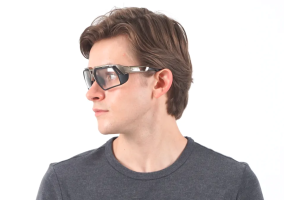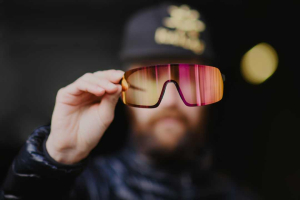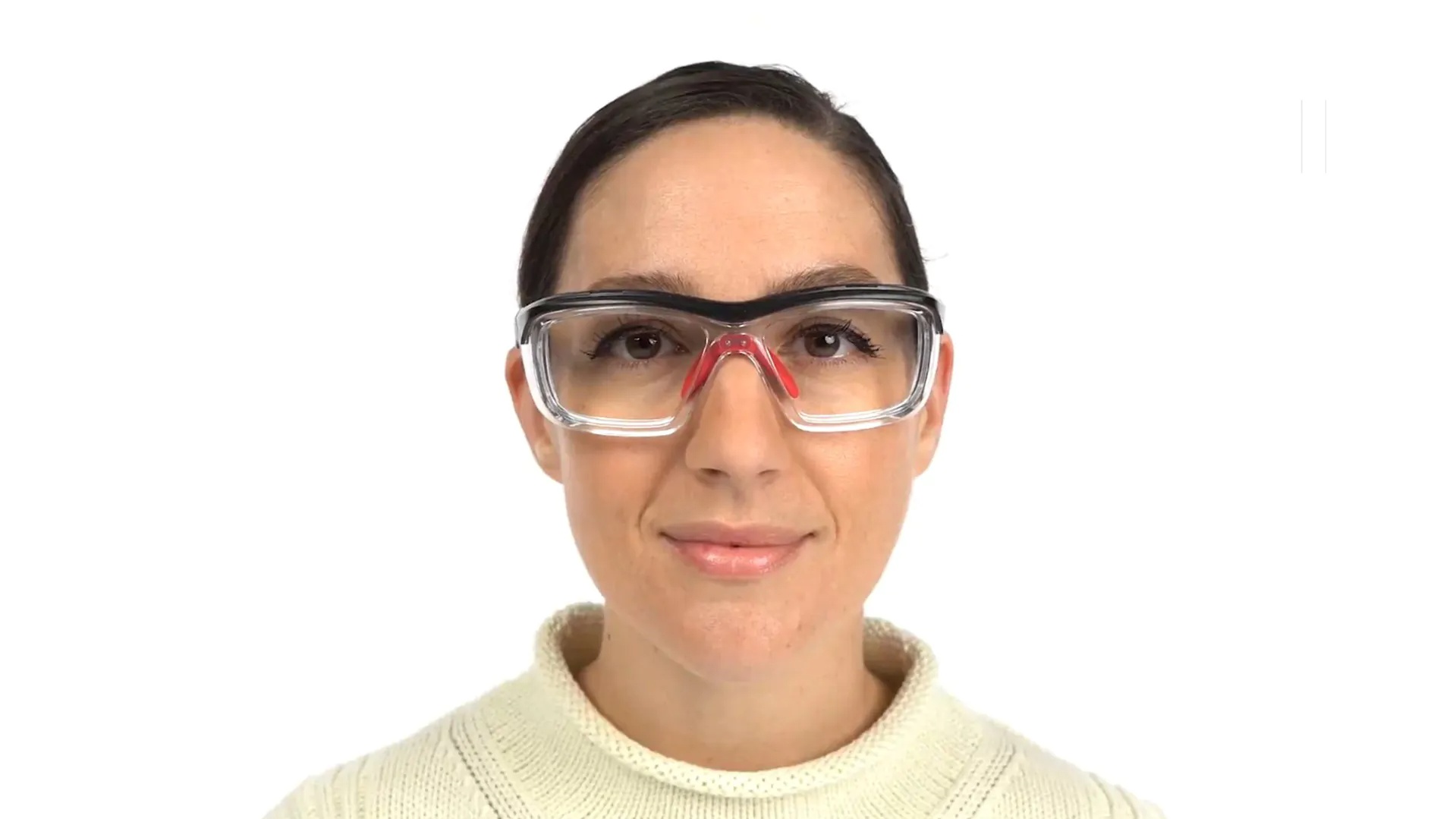
Clear vision is an important part of workplace safety, particularly in environments where dust, debris, chemicals, tools, machinery, or flying particles are present. Safety eyeglasses are designed to provide vision correction while adding a protective layer between the eyes and common workplace hazards.
For prescription wearers, ordinary glasses may not provide the coverage or impact protection required on the job. The right protective eyewear needs to combine optical clarity, secure fit, appropriate coverage, and verified safety performance without becoming uncomfortable during a full working day.
How Safety Eyeglasses Support Workplace Visibility
Good workplace eyewear does more than shield the eyes. It should help workers see clearly while they perform tasks that require precision, movement, and concentration.
Poorly fitted glasses can slide, create pressure points, collect dust, or limit peripheral vision. Prescription safety eyewear addresses these practical concerns by bringing the corrective lens and protective frame into one purpose-built solution.
Visibility Matters in More Ways Than One
A worker may need to:
Read equipment controls and measurements
Identify warning labels
Track moving machinery
Judge distances accurately
Notice debris or hazards approaching from the side
Perform detailed work without unnecessary eye strain
Clear, stable vision helps workers respond to their surroundings without repeatedly adjusting their eyewear.
What Makes Protective Eyewear Different?
The key distinction is that protective eyewear is designed around specific hazards rather than vision correction alone. Safety standards such as ANSI Z87.1 establish performance requirements for protective devices, including impact-related testing.
However, a safety marking should never be treated as a substitute for understanding the actual product specifications. Employers and workers should select eyewear according to the hazards identified in their workplace and any applicable occupational requirements.
The Four Features Worth Checking
Feature | Why it matters at work |
Impact-rated lenses | Helps protect against specified impact hazards |
Side coverage | Reduces exposure from lateral directions |
Secure fit | Keeps lenses positioned correctly |
Prescription accuracy | Maintains clear, useful vision throughout the task |
This combination is particularly useful for construction, manufacturing, maintenance, laboratories, workshops, and other environments where eye protection is routinely required.
Prescription Accuracy and Frame Stability
A strong prescription is only useful if the lenses remain correctly positioned in front of the eyes. Frames that move significantly during work can affect the wearer's visual experience and create a constant need for adjustment.
This becomes more noticeable during physically active tasks. Bending, climbing, looking upward, or working around machinery can cause poorly fitted eyewear to shift.
A stable frame helps maintain consistent optical positioning while reducing distractions. For workers who wear bifocal or progressive lenses, correct frame positioning is particularly important because different areas of the lens are intended for different viewing distances.
Side Protection Improves Coverage
Workplace hazards do not always come from directly in front of the wearer. Dust, metal fragments, wood particles, and other debris can approach from the sides.
Wraparound designs and integrated side shields can increase protective coverage without requiring a second piece of eyewear. The amount of coverage needed depends on the task and the hazard assessment, so workers should choose a design appropriate to their environment rather than simply selecting the most enclosed frame.
Five RX Safety Canada Options Worth Considering
RX Safety Canada offers a broad selection of prescription protective eyewear, including models designed for industrial, construction, tactical, and general workplace applications. The following options illustrate how different frame designs can address different priorities.
Matrix Peak Prescription Safety Glasses
The Matrix Peak is a practical choice for workers who need certified protection across demanding workplace environments. The model is listed as ANSI Z87.1 certified, and RX Safety Canada also identifies it for industrial, construction, and shooting applications. It is available for single-vision, bifocal, and progressive prescriptions.
Its broader application makes it useful for workers who move between different tasks rather than spending the entire day in one fixed environment. For Canadian workplaces where both ANSI and CSA requirements are relevant, the specific certification details should be verified for the configuration being ordered.
Coho Prescription Safety Glasses Black
The Coho provides a large aviator-style frame with a 75 mm lens width, 15 mm bridge, and 144 mm frame width. It is listed as ANSI Z87.1 certified and is available with bifocal, progressive, or single-vision prescription options.
This makes it worth considering for prescription wearers who want a larger frame profile without giving up workplace certification. The semi-rimless construction also gives the frame a more conventional appearance while retaining its protective purpose.
Avalanche Prescription Safety Glasses Blue
The Avalanche combines an ANSI Z87.1-certified design with a blue plastic frame and a large 145 mm frame width. Its 70 mm lenses and 42 mm lens height provide substantial lens coverage, while the model is available for bifocal, progressive, and single-vision prescriptions.
This style can suit workers who prefer a larger, more noticeable frame rather than a compact safety-glasses profile. As with any protective eyewear, the selected lens configuration should meet the requirements of the specific work environment.
Pittsburgh Prescription Safety Glasses
The Pittsburgh takes a different approach, using wraparound side shields to increase protection from lateral exposure. It is ANSI Z87.1 certified and features impact resistance, an adjustable nose pad, spring hinges, and scratch-resistant construction.
For workers who regularly encounter dust or debris approaching from different directions, this style can provide useful additional coverage. Its large 145 mm frame width and adjustable nose pad also give wearers more control over fit.
Augusta Prescription Safety Glasses
The Augusta is built for industrial, construction, and tactical applications and is listed as ANSI Z87.1 certified. Its features include impact resistance, adjustable nose pads, soft temple arms, non-slip material, spring hinges, scratch resistance, and anti-glare coating.
It also includes built-in side shields and can accommodate progressive and single-vision prescriptions. RX Safety Canada states that the lenses can be fitted with clear, sun, polarized, and transition options, while the configuration must use polycarbonate or high-impact lenses to meet the ANSI Z87.1 requirement.
Choosing the Right Safety Eyeglasses for Your Job
The correct frame depends on the hazard, not simply on personal preference. A worker in a machine shop may have different requirements from someone working outdoors, while laboratory or construction environments can introduce entirely different risks.
Before choosing a pair, consider:
What hazards are present?
Is side protection necessary?
Does the eyewear meet the required safety standard?
Will it accommodate your exact prescription?
Does the frame stay secure while you move?
Will you wear it continuously for several hours?
Are additional PPE items, such as helmets or face shields, involved?
A proper fit test should include normal working movements rather than simply checking the glasses while sitting still.
Why Comfort Affects Safety Compliance
Protective eyewear that causes headaches, slips repeatedly, or creates uncomfortable pressure is more likely to be adjusted or removed. That makes comfort a practical part of workplace safety rather than a purely personal preference.
RX Safety Canada focuses specifically on prescription safety and protective eyewear, offering a large selection for different prescriptions and work environments. Its range includes ANSI-certified models, wraparound designs, safety goggles, and options for single-vision, bifocal, and progressive prescriptions.
Final Thoughts
Effective workplace eyewear needs to accomplish two things at once: provide the wearer with clear, reliable vision and offer protection appropriate to the hazards present. The right frame can improve visibility, maintain optical stability, and provide coverage without becoming a distraction during demanding tasks.
For prescription wearers, purpose-built safety eyeglasses are a practical way to combine corrective vision with workplace protection. Choosing based on certification, lens configuration, frame coverage, fit, and the specific demands of the job helps ensure that protective eyewear supports both clearer vision and safer working conditions.