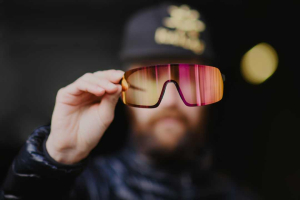
When it comes to shooting, clarity and precision are everything. Whether you are target shooting at the range or out in the field, the ability to see details sharply and in the right light can make a significant difference. For those who wear corrective eyewear, prescription shooting glasses are a critical piece of equipment. But it is not enough to simply have prescription lenses. The colour of those lenses matters just as much as the prescription itself.
This shooting glasses lens guide will break down how lens colours affect visibility, contrast, and overall performance so you can make informed choices. The right tint can enhance your accuracy, protect your eyes, and adapt to different shooting environments.
Why Lens Colour Matters in Shooting Glasses
Lens colour is not just about personal preference or style. Different colours filter light in specific ways. They can reduce glare, improve contrast, and help your eyes adapt to varying conditions. For example, a lens colour suited for bright, sunny days outdoors may not perform well indoors under artificial lighting.
Choosing the right prescription shooting glasses lens colour is essentially about tailoring your eyewear to the environments where you shoot most often. The wrong choice could lead to eye strain, reduced visibility, or even missed targets.
Key Factors to Consider Before Choosing a Lens Colour
Before diving into the specific shooting eyewear lens options, it is important to keep a few things in mind:
- Lighting conditions: Indoor and outdoor shooting environments require different levels of light transmission.
- Target background: A light-colored target against a dark background requires different contrast than the reverse.
- Weather changes: Overcast skies, bright sun, and variable lighting all impact visibility differently.
- Personal vision needs: Prescription strength, sensitivity to light, and any vision conditions can affect how a tint performs for you.
Common Lens Colours for Prescription Shooting Glasses
Below is a breakdown of the most widely used lens colours for outdoor shooting glasses and indoor environments, along with their strengths and limitations.
Yellow and Gold Lenses
- Best for: Low light, cloudy days, and indoor ranges
- How they work: Yellow and gold lenses enhance contrast by filtering out blue light, which creates a sharper view of the target.
- Limitations: They may distort true colour perception and are less effective in very bright conditions.
Amber and Orange Lenses
- Best for: Moderate lighting and outdoor shooting in partly cloudy conditions
- How they work: These shades increase contrast between the target and background, making them popular for clay shooting and hunting.
- Limitations: Like yellow lenses, they can alter colour accuracy, which may not be ideal for all shooters.
Gray Lenses
- Best for: Bright sunlight and extended outdoor use
- How they work: Gray lenses reduce overall brightness while maintaining natural colour balance. This helps prevent eye strain in intense light.
- Limitations: They may not provide as much contrast enhancement as amber or yellow tints.
Brown and Copper Lenses
- Best for: Variable outdoor light and open-field shooting
- How they work: These colours improve depth perception and contrast, particularly against green or blue backgrounds like grass and sky.
- Limitations: They are slightly darker than amber or yellow, which may reduce visibility in low-light settings.
Clear Lenses
- Best for: Indoor shooting and nighttime use
- How they work: Clear lenses provide eye protection without altering vision, ensuring that targets look exactly as they are.
- Limitations: They do not reduce glare or brightness, so they are not suitable for outdoor shooting in sunny conditions.
Polarized Lenses
- Best for: Outdoor shooting with glare from reflective surfaces
- How they work: Polarized lenses cut down on glare from water, snow, or shiny surfaces. This can be useful in hunting scenarios where glare might distract or obscure targets.
- Limitations: Some shooters feel polarized lenses interfere with reading digital displays or scopes.
Matching Lens Colours to Shooting Environments
Different conditions call for different shooting eyewear lens options. Here are some practical guidelines:
- Indoor range shooting: Yellow or clear lenses are often best, as they maximize visibility in artificial lighting without being too dark.
- Bright sunny days: Gray or brown lenses help reduce glare and brightness while maintaining natural vision.
- Overcast or variable weather: Amber and copper lenses are excellent for enhancing contrast when lighting is inconsistent.
- Dawn or dusk shooting: Lighter tints like yellow or gold make targets stand out when natural light is limited.
The key is to match your shooting glasses lens guide to the environment you shoot in most often. Some shooters even invest in multiple pairs or interchangeable lenses to cover a variety of conditions.
Additional Considerations
UV Protection
Regardless of tint, ensure your lenses provide full UV protection. Prolonged exposure to ultraviolet light can damage your eyes over time. This is especially important for outdoor shooters who spend hours under direct sunlight, where UV intensity is highest. Long-term protection helps preserve eye health and maintain consistent vision quality.
Prescription Accuracy
The effectiveness of any prescription shooting glasses lens colour depends on the accuracy of the prescription itself. Work with a reliable provider who specializes in shooting eyewear. Small inaccuracies in the prescription can have a noticeable effect on focus, especially at varying distances. Regular eye exams and updated prescriptions help ensure you get the most out of your lenses.
Comfort and Fit
A well-fitted pair of shooting glasses ensures stability and prevents distractions. Lens colour can improve vision, but proper comfort is equally essential for long-term use. Consider frame weight, grip, and coverage. Glasses that slip or pinch can interfere with your shooting posture and concentration. Ideally, shooting eyewear should feel secure but barely noticeable while worn.
Final Thoughts
Selecting the right lens colour for outdoor shooting glasses and indoor ranges can significantly improve both safety and performance. Each tint has unique advantages, and the ideal choice depends on your environment, shooting style, and personal vision needs.
If you are considering investing in prescription eyewear, working with a trusted provider is essential. RX Safety Canada offers a range of prescription shooting glasses tailored to different needs and conditions, ensuring shooters can find the right solution for both vision correction and lens performance.
By understanding how lens colours influence contrast, brightness, and visibility, you can make smarter choices for your shooting eyewear. With the right setup, your glasses will not only correct your vision but also enhance your precision every time you take aim.