Selecting the right protective gear is a fundamental requirement for anyone operating in high-risk industrial or medical environments. When your vision is at stake, settling for standard eyewear is not an option. You need safety eyeglasses that meet rigorous ballistic and impact standards while providing the clarity of your specific vision correction. This guide explores the technical specifications and comfort factors necessary to make an informed decision for your long-term ocular health.
Why Impact Ratings Matter for Safety Eyeglasses
The most critical factor in choosing protective eyewear is the certification it carries. In North America, the gold standard is the ANSI Z87.1 or the Canadian CSA Z94.3 rating. These certifications ensure that the frames and lenses can withstand high-velocity impacts from flying debris, tools, or chemical splashes.
When you invest in quality safety eyeglasses, you are not just buying a pair of frames. You are securing a piece of engineered equipment designed to dissipate energy upon impact. High-mass and high-velocity tests are conducted to ensure the lenses stay within the frame and do not shatter into dangerous shards.
Professional environments often require specialized protection that goes beyond basic impact resistance. For those working in heavy labor sectors, understanding prescription safety eyewear for industrial construction work is essential for identifying which side shields or frame geometries are best suited for dusty or high-impact job sites.
Understanding Lens Materials
Polycarbonate is the industry standard for protective lenses due to its lightweight nature and superior impact resistance. It is significantly stronger than standard plastic or glass, making it the ideal choice for prescription safety eyeglasses. This material naturally filters out 99.9% of harmful UV rays, providing an extra layer of protection for outdoor workers.
Trivex is another premium option that offers similar impact resistance to polycarbonate but with superior optical clarity. Trivex lenses are often thinner and lighter, which reduces the weight on the bridge of the nose during long shifts. This material also has a higher Abbe value, meaning it produces less chromatic aberration or "rainbow" effects in the periphery.
High-index materials are available for those with stronger prescriptions who require thinner lenses. While these offer better aesthetics, they must still be processed to meet safety thickness standards. Always ensure your provider uses heat-treated or chemically strengthened materials that do not compromise the integrity of the safety rating.
Choosing the Right Frame Style
The frame must do more than just hold the lenses; it must provide a secure seal and comfortable fit. Consider these key features when selecting a frame:
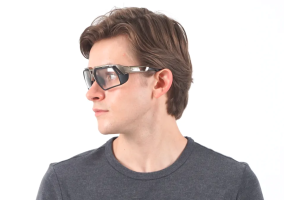
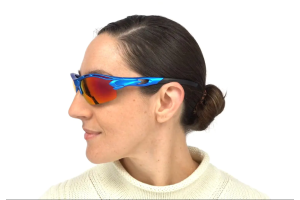
- Wrap-Around Design: Offers built-in side protection and a wider field of view.
- TR-90 Nylon Construction: Provides flexibility and resistance to extreme temperatures.
- Adjustable Components: Rubberized nose pads and flexible temple tips ensure a secure fit during physical exertion.
Consider the weight distribution of the frame, especially if you wear them for eight to twelve hours a day. Pressure points behind the ears or on the bridge of the nose can lead to headaches and reduced compliance. A well-fitted pair of safety eyeglasses should feel balanced and stay in place even when looking down or moving your head quickly.
The Importance of Prescription Accuracy
Visual precision is just as important as physical protection when you are on the job. Using prescription safety eyeglasses ensures that you have the same visual acuity you would expect from your daily wear glasses. This reduces eye strain and prevents accidents caused by misjudging distances or failing to see small hazards.
It is important to provide an up-to-date prescription and an accurate Pupillary Distance (PD) measurement to your provider. Because safety lenses are often thicker and have different curves than standard lenses, any misalignment in the optical center can cause distortion or dizziness. Working with experts ensures these technical nuances are addressed during the manufacturing process.
Digital lens surfacing technology can further enhance your vision by optimizing the lens for your specific frame dimensions. This is particularly useful for wrap-around styles, where "fishbowl" distortion can occur in the periphery. High-definition lenses provide crisper details and better contrast, which is crucial for identifying defects or reading fine print in low-light conditions.
Coatings for Enhanced Performance
To maximize the utility of your prescription safety eyeglasses, consider the following professional-grade coatings:
- Anti-Fog: Essential for high-humidity environments or tasks requiring physical exertion.
- Scratch-Resistant: A hard coat that protects the lens surface from grit and debris.
- Anti-Reflective (AR): Reduces glare from overhead lighting, which is vital for medical and laboratory precision.
A fogged lens is a major safety hazard, as it forces the wearer to remove their protection to wipe the lenses. Permanent anti-fog treatments are integrated into the lens surface to provide long-lasting clarity. While no lens is completely scratch-proof, a high-quality hard coat significantly extends the lifespan of your investment in safety eyeglasses.
Maintenance and Care Standards
To maintain the safety integrity of your eyewear, regular inspections are required. Check for pits, deep scratches, or cracks in the lenses, as these can weaken the material and cause it to fail during an impact. If the frames become stretched or the hinges feel loose, they may no longer provide the necessary level of protection.
Cleaning your lenses should always be done with a microfiber cloth and a dedicated lens cleaning solution. Avoid using paper towels or clothing, as these fibers can create micro-scratches that dull your vision over time. Storing your glasses in a hard case when not in use is the simplest way to prevent accidental damage.
If your work involves specialized lighting or medical procedures, RX Safety Canada is also the ultimate place for buying surgical headlights. Combining high-intensity illumination with your protective eyewear ensures that you have the best possible visibility for delicate operations. Quality equipment from a trusted source is the foundation of professional safety.
Finding the Perfect Fit for Your Workflow
Every job has unique demands, and your eyewear should reflect that. For workers in chemical labs, a frame with a foam gasket may be necessary to block liquid splashes or vapors. For those in construction, a strap system might be better to keep the glasses secure during high-intensity movement.
The best safety eyeglasses are the ones that you actually want to wear. Style should not be the primary factor, but a modern and professional appearance encourages consistent use. When safety gear looks and feels like premium athletic wear, compliance rates naturally increase across the workforce.
Investing in high-quality prescription safety eyeglasses is a proactive step toward career longevity. Protecting your sight is an investment in your ability to perform your job safely and accurately for years to come. By choosing the right materials, ratings, and fit, you ensure that your most valuable tool stays protected every day.