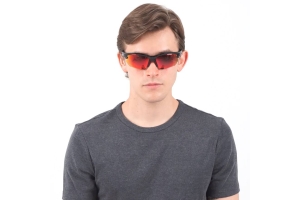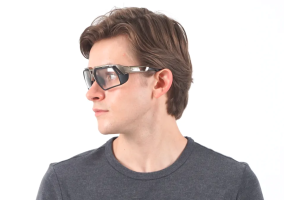
Prescription safety glasses are essential on the job. Whether you're in construction, manufacturing, healthcare, or laboratory work, your eyewear is your first line of defence against injury. But like any piece of protective gear, prescription safety glasses don't last forever. Over time, damage, wear, or even subtle changes can compromise their effectiveness, putting your vision at risk.
Knowing when to replace prescription safety glasses is critical. Below are 15 clear, detailed signs that your current pair may no longer be safe.
When it’s time to upgrade, trust a supplier that specializes in both protection and precision. RX Safety Canada offers certified, high-quality prescription safety glasses tailored to your needs. Browse our range to find a reliable replacement that meets current safety standards and matches your prescription exactly.
Knowing when to replace prescription safety glasses is critical. Below are 15 clear, detailed signs that your current pair may no longer be safe.
Top 15 Signs Prescription Safety Glasses Need Replacing
1. Scratched or Pitted Lenses
Surface scratches might seem harmless at first, but they scatter light, cause glare, and impair your vision, especially in bright or low-light environments. Deeper pits or gouges are more serious; they weaken the lenses and can increase the risk of shattering during an impact. Scratches also compromise anti-reflective and protective coatings. If cleaning fails to restore visibility or reduce glare, that’s a sign your prescription safety glasses are due for replacement.2. Cracks in the Frame or Lenses
Cracks—whether tiny or noticeable—signal structural weakness. A crack in the lens not only disrupts clarity but also significantly reduces impact resistance. Similarly, cracks in the bridge, temple arms, or hinges affect how the frame absorbs force. Even a small fracture can expand with temperature changes, drops, or repeated use. Ignoring them can be risky.3. Constant Fogging Despite Clean Lenses
Anti-fog coatings wear down with time and repeated cleanings. If your lenses constantly fog up in humid or high-activity environments, even after using anti-fog sprays or wipes, the coating may have deteriorated. This compromises your vision temporarily—right when you need it most—and increases the chance of accidents.4. Difficulty Cleaning or Residue Buildup
Over time, coatings on lenses can break down or become tacky, making it harder to clean them effectively. If you’re constantly wiping your lenses and still seeing smudges, film, or streaks, it's a sign that the lens material or coating is degrading. This often leads to a faster buildup of oil, dust, and debris, which not only obscures your vision but may cause long-term surface damage.5. Discoloration or Yellowing of the Lenses
Exposure to UV radiation, harsh chemicals, or even just age can cause lenses to yellow or develop a haze. This alters the way you perceive colour and contrast, especially in bright outdoor settings or under artificial lighting. Yellowed lenses are a red flag that the UV protection or lens clarity is compromised.6. Poor Fit or Loose Frame
If your glasses are sliding down your nose, pinching your temples, or sitting unevenly, the fit is no longer reliable. A poor fit means reduced protection, particularly in high-movement or hazardous environments. Loose frames may also shift during critical tasks, leaving your eyes unprotected at key moments. This can be due to worn-out hinges, warped arms, or changes in the user's face shape over time.7. Outdated Prescription
Wearing the wrong prescription doesn't just impact your ability to see—it increases eye strain, fatigue, and even dizziness. If your vision seems off or you’re noticing frequent headaches, it’s time to check if your prescription has changed. A clear view is essential not only for efficiency but also for identifying workplace hazards quickly.8. Damaged or Missing Side Shields
Side shields are often overlooked, but they’re critical for blocking hazards approaching from the side. If your safety glasses come with detachable side shields and they’re damaged, cracked, warped, or missing, your eyes are more vulnerable. These shields are especially important in environments with airborne particles, sparks, or fluid splashes.9. Rusted or Corroded Metal Parts
Metal hinges, screws, and nose bridge components are susceptible to corrosion in humid or chemically active workplaces. Rust weakens these areas and can cause frame failure. It can also irritate the skin and limit adjustability. If you notice discoloration, stiffness in movement, or a “gritty” feel, corrosion is likely the cause.10. Glasses Frequently Drop or Fall Off
If your glasses often fall off during work, whether due to a poor fit or worn temple arms, it raises your risk of exposure during a critical moment. Even if they look fine, repeated drops increase the chance of invisible fractures that make the lenses more likely to break when hit.11. Physical Discomfort While Wearing
Discomfort isn’t just a nuisance—it’s a safety risk. Glasses that leave red marks, cause pressure points, or feel unstable on your face make you less likely to wear them consistently. Over time, discomfort can lead to distractions, reduced focus, or even choosing not to wear the glasses at all in hazardous areas.12. No Visible Safety Markings
All certified prescription safety glasses must have visible safety markings (like ANSI Z87 or CSA Z94.3) indicating compliance with protection standards. If those markings have worn off or are no longer legible, you can’t verify their compliance—and therefore can’t trust their protective performance.13. You're Using Them Outside Their Original Purpose
Prescription safety glasses designed for one kind of hazard (like impact resistance) may not protect against others (like chemical splashes or radiation). If your job duties have changed or your work environment is different, make sure your eyewear matches the new risk profile. Using the wrong type of protection is almost as bad as having none.14. Frequent Headaches or Eye Fatigue
Aside from an outdated prescription, degraded lenses, misalignment, or changes in pupil distance can all lead to symptoms like eye strain and headaches. If you’re experiencing these issues despite wearing your glasses properly, it's time for an optometric check-up and a possible replacement.15. They're Over Two Years Old
Even with careful use, safety glasses have a shelf life. Materials can degrade due to exposure to light, sweat, oils, and environmental stress. Industry professionals often recommend replacing prescription safety glasses every two years—even if there’s no visible damage—to ensure they remain up to standard and function as intended.Final Thought: Know When to Replace Prescription Safety Glasses
Your eyes are irreplaceable. And while prescription safety glasses are built to protect them, they can't do their job if they're compromised. Watch for the signs above, and make it a habit to inspect your eyewear regularly. If you spot any of these signs, prescription safety glasses need replacing; take action immediately. Don't wait for an accident to confirm what you already suspect.When it’s time to upgrade, trust a supplier that specializes in both protection and precision. RX Safety Canada offers certified, high-quality prescription safety glasses tailored to your needs. Browse our range to find a reliable replacement that meets current safety standards and matches your prescription exactly.