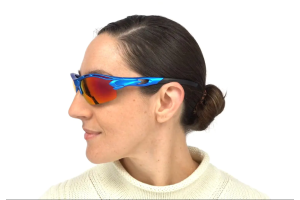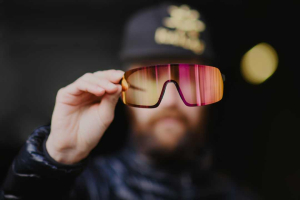
Photochromic lenses are often marketed as a convenient all-in-one solution. They adjust to light, reduce glare, and eliminate the need for switching between glasses. On paper, photochromic lenses glasses seem like the perfect fit for professionals and everyday users alike.
They are especially appealing to those who move between indoor and outdoor environments throughout the day. The idea of one pair handling both conditions feels efficient and practical.
But there is one limitation that rarely gets discussed in detail. It is not about durability or clarity. It is about performance consistency in real-world conditions, especially where reliability matters most.
The Hidden Limitation of Photochromic Lenses Glasses
The biggest limitation of photochromic lenses glasses is their dependency on UV light for activation. While this may sound like a minor technical detail, it has a direct impact on how these lenses perform throughout the day.
Photochromic lenses darken when exposed to ultraviolet rays. This works well outdoors in direct sunlight. However, in environments where UV exposure is limited or blocked, the lenses may not darken as expected.
This becomes a problem in situations where users assume they are getting full sun protection, but in reality, they are not. Over time, this mismatch between expectation and performance can affect both comfort and eye safety.
Why UV Dependency Matters More Than You Think
Most people associate brightness with sunlight. However, brightness and UV exposure are not the same. For example, you can be in a bright environment with minimal UV rays.
Car windshields are a common example. They block a significant portion of UV light. As a result, photochromic lenses glasses may remain clear inside a car even on a sunny day.
This limitation affects driving safety and comfort. Users may experience glare without the expected lens darkening, which defeats the purpose of adaptive eyewear. For professionals who spend hours on the road, this becomes a daily concern rather than an occasional inconvenience.
Performance Gaps in Indoor and Transitional Spaces
Another overlooked issue is how these lenses behave in transitional environments. Spaces like warehouses, hospitals, or covered outdoor areas often have mixed lighting conditions.
In such settings, lenses may shift slowly or remain partially tinted. This inconsistency can affect visual clarity and cause unnecessary eye strain. This is also why many professionals compare them with dedicated tinted solutions before making a decision, especially after understanding key differences to know before buying prescription sunglasses.
Even small delays in lens adjustment can interrupt workflow. When tasks require quick visual shifts, these inconsistencies become more noticeable and harder to ignore.
Temperature Sensitivity Adds Another Layer
Temperature also influences how photochromic lenses glasses perform. In colder conditions, lenses tend to darken more and stay darker for longer.
In warmer environments, the opposite happens. Lenses may not reach their full tint or may fade too quickly. This variation can be frustrating, especially for users expecting uniform performance.
For professionals who work across different climates or conditions, this inconsistency becomes a practical concern rather than a minor inconvenience. It adds another variable that users have little control over.
Where Photochromic Lenses Still Work Well
Despite their limitations, photochromic lenses still offer value in the right situations. They are particularly useful for individuals who move frequently between indoor and outdoor environments with consistent UV exposure.
For general outdoor use, they reduce the need to carry separate sunglasses. They also provide basic eye protection without requiring constant adjustments.
However, understanding their limitations helps set realistic expectations. This is especially important when comparing them with dedicated alternatives that offer more predictable performance.
When to Consider Alternatives
There are situations where photochromic lenses may not be the best choice:
- Frequent driving during daylight hours
- Work environments with low UV exposure
- High-glare conditions requiring instant tint
- Jobs that demand consistent visual clarity
In these cases, dedicated tinted lenses or polarized options may offer better performance. These alternatives are designed to provide immediate and reliable results without depending on external factors.
Key Considerations Before Choosing Photochromic Lenses
Choosing the right eyewear involves more than convenience. It requires evaluating how the lenses will perform in your specific environment.
Practical Checklist
- Do you spend significant time driving?
- Are you exposed to direct UV light regularly?
- Do you need instant glare reduction?
- Is temperature variation a factor in your work?
Answering these questions can help determine whether photochromic lenses glasses are suitable for your needs. Taking time to assess these factors reduces the chances of making a decision based on assumptions.
Comparing Performance Factors
Feature | Photochromic Lenses | Prescription Sunglasses |
UV Activation Required | Yes | No |
Works in Car | Limited | Yes |
Tint Speed | Gradual | Instant |
Consistency | Variable | Reliable |
This comparison highlights where photochromic lenses excel and where they fall short. It also makes it easier to match lens type with actual usage conditions.
Why Professionals Trust RX Safety Canada
RX Safety Canada focuses on providing solutions tailored to professional needs. Their range of photochromic lenses glasses is designed with real-world use in mind.
Each product meets safety standards while offering practical features that improve usability. This combination of safety and performance sets them apart.
In addition to eyewear, RX Safety Canada is the ultimate place for buying surgical headlights. These tools are essential in medical environments where precision and visibility are critical.
Built on Experience and Practical Insight
What makes RX Safety Canada reliable is its focus on real use cases. The products are not just designed to meet specifications but to perform consistently in demanding conditions.
This practical approach helps professionals choose eyewear that supports their work rather than complicates it. The emphasis remains on function, safety, and long-term usability.
Final Thoughts
Photochromic lenses glasses offer convenience, but their limitations are often overlooked. Their reliance on UV light, sensitivity to temperature, and inconsistent performance in certain environments can impact real-world usability.
Understanding these factors helps you make a more informed decision. Instead of relying on general claims, you can choose eyewear that matches your actual needs.
For professionals who depend on consistent performance, that difference matters.