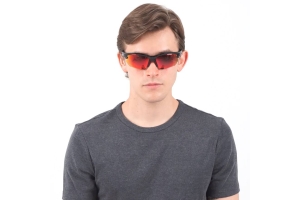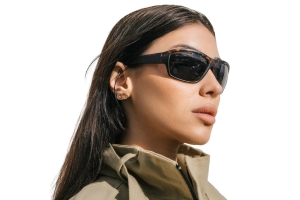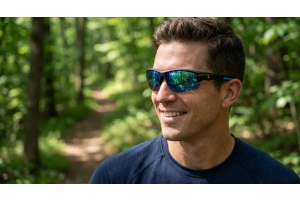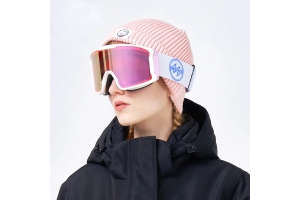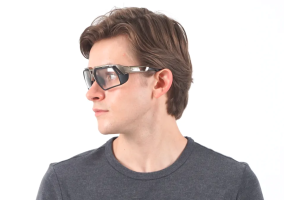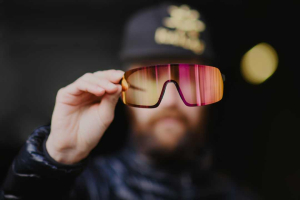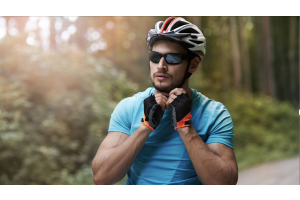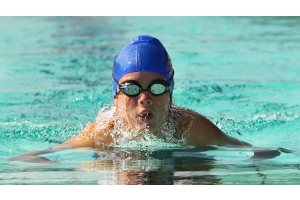
Athletes spend hours perfecting their performance, but one essential piece of equipment often gets ignored: prescription sports sunglasses. Clear, protected vision isn’t just about comfort; it’s a critical factor in preventing injuries and enhancing precision on the field, court, or trail. Whether you play baseball, cycle through city streets, or hit the slopes, the right sports prescription glasses can make a measurable difference in both safety and performance.
This guide explains how Rx sports glasses prevent eye injuries, improve reaction times, and optimize visual clarity. It also explores lens technologies, frame designs, and sport-specific features that most athletes overlook, with practical advice on choosing the best sports eyewear for athletes.
The Overlooked Connection Between Vision and Injury Prevention
Visual accuracy directly affects coordination, reaction speed, and depth perception. In sports, even a slight visual distortion can lead to mistimed movements, misjudged distances, and avoidable injuries.
Research shows that up to 90% of sports-related eye injuries are preventable with proper protective eyewear. Yet many athletes still rely on non-prescription sunglasses or casual eyewear that can’t handle the speed or intensity of competition.
Common Eye Hazards in Sports
High-speed impact: Balls, pucks, rackets, or elbows can cause direct trauma.
UV and blue light exposure: Outdoor sports expose eyes to harmful rays that can cause long-term damage.
Dust, debris, and wind: Especially in cycling, running, or water sports.
Light glare: Reflective surfaces like water, snow, or stadium lights can impair visibility.
Prescription sports sunglasses provide a dual advantage: clear, customized vision correction and impact-resistant protection designed specifically for athletic conditions.
How Prescription Sports Sunglasses Prevent Eye Injuries
1. Impact-Resistant Materials
Most Rx sports glasses use polycarbonate or Trivex lenses, materials significantly stronger than standard plastic or glass. These materials meet ANSI Z87.1 safety standards for impact resistance, meaning they can withstand fast-moving objects without shattering.
2. Secure Frame Fit
Sports frames are designed to stay in place even during sudden movements. Unlike regular eyeglasses, sports eyewear for athletes includes:
Non-slip nose pads and temple grips
Adjustable straps or wraparound frames
Lightweight, flexible materials that resist bending or breaking
A secure fit prevents glasses from falling off or shifting mid-action, reducing distractions and risk of facial injury.
3. UV and Glare Protection
Prescription lenses with UV400 protection block 100% of UVA and UVB rays. Polarized lenses cut through glare from reflective surfaces, improving contrast and depth perception. This not only reduces strain but also prevents eye fatigue, a common cause of late-game mistakes.
4. Shield Against Debris
Wraparound styles provide peripheral coverage, protecting against dust, dirt, insects, or sand. This is vital for outdoor athletes like mountain bikers, skiers, and runners.
Lens Technologies That Enhance Vision and Safety
Athletes often underestimate the impact of lens technology on performance. The right lens tint and coating can drastically improve clarity and comfort across environments.
Lens Feature | Function | Best For |
Polarized Lenses | Reduce glare and enhance contrast | Water sports, skiing, fishing |
Photochromic Lenses | Automatically adjust tint in changing light | Cycling, golf, outdoor running |
Anti-fog Coating | Prevents condensation during high activity | Winter sports, indoor training |
Mirror Coating | Reflects intense light and reduces eye strain | Desert, snow, or high-altitude sports |
Hydrophobic Coating | Repels water and sweat for clear vision | Water sports, endurance running |
Combining these features in sports prescription glasses ensures that athletes maintain consistent visibility in any condition, reducing hesitation and risk of error.
Sport-Specific Prescription Sports Glasses: What to Look For
Each sport places different demands on vision and eyewear design. Understanding these nuances helps athletes make smarter equipment choices.
Cycling
Key Features: Wraparound design, anti-fog coating, vented lenses.
Why It Matters: Protects from wind, insects, and UV glare. Clear side vision ensures awareness of vehicles or competitors.
Running
Key Features: Lightweight frames, photochromic lenses, sweat-resistant fit.
Why It Matters: Prevents fogging and eye dryness while maintaining visibility in changing light.
Baseball and Softball
Key Features: Impact-rated frames, amber or brown tints for tracking balls.
Why It Matters: Enhances contrast between ball and sky or grass, improving timing and safety.
Basketball or Racquet Sports
Key Features: Polycarbonate lenses, secure strap fit, no-slip grips.
Why It Matters: Prevents shattering and eye contact injuries from fast-moving objects or players.
Water and Snow Sports
Key Features: Polarized, mirror-coated, hydrophobic lenses.
Why It Matters: Reduces glare from reflective surfaces and keeps vision sharp in wet environments.
Golf
Key Features: Brown or copper tints, lightweight design.
Why It Matters: Enhances depth perception and color contrast for accurate distance judgment.
How to Choose the Right Prescription Sports Sunglasses
When investing in sports eyewear for athletes, focus on three main aspects: performance, protection, and comfort.
1. Start with Accurate Prescription Lenses
Your performance depends on precision. Ensure your prescription sports sunglasses match your current prescription and provide the right optical alignment for your sport’s visual demands.
2. Pick the Right Frame Design
Choose a wraparound or semi-rimless style for full coverage and minimal distortion.
Opt for adjustable temple arms or elastic straps for stability.
Select flexible materials like nylon or polycarbonate for durability.
3. Match Lenses to Your Sport
A lens suited for cycling may not perform the same for tennis. Match tint, coating, and material to your specific conditions.
4. Check Safety Certifications
Look for impact ratings like ANSI Z87.1 or ASTM F803 for high-speed sports. These certifications confirm that your glasses can handle the demands of real play.
5. Test Fit and Comfort
A good pair of Rx sports glasses should feel snug but not tight. Test them during warm-ups to ensure they stay secure and comfortable during motion.
Why Most Athletes Overlook Prescription Sports Glasses
Many athletes still see eyewear as a visual aid rather than a piece of protective gear. Others assume non-prescription sunglasses offer enough protection. However, without customized optics and certified impact resistance, regular sunglasses can become a safety hazard in high-intensity environments.
Overlooking prescription sports sunglasses can mean:
Reduced depth perception and slower reaction times
Increased exposure to UV rays and glare
Higher risk of eye injury or irritation
Investing in purpose-built sports eyewear for athletes means protecting your most valuable asset, your vision, while gaining a competitive advantage.
Conclusion: Clear Vision, Safer Play
Every athlete understands the value of preparation and precision. The same mindset should apply to protecting your eyes. High-quality prescription sports sunglasses combine optical accuracy with durable, sport-specific protection that helps prevent injuries and boost performance.
If you’re ready to upgrade your safety and vision on the field, explore the full range of sports prescription glasses at RX Safety CANADA. Their selection of certified Rx sports glasses is built for clarity, comfort, and long-term protection, so you can focus on what matters most: performing at your best.