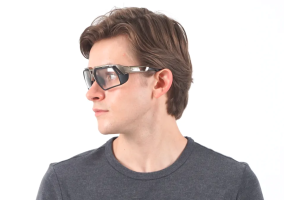
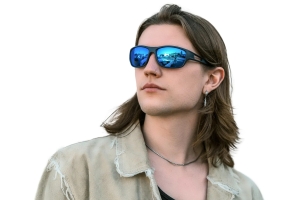
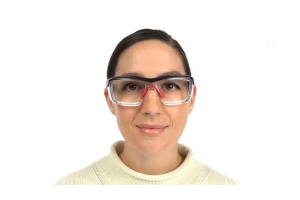
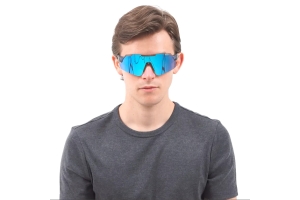
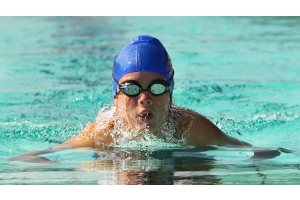
Whether you're on the field, in the water, or cycling through rugged trails, clear vision and eye protection are non-negotiable. Athletes with vision correction needs face a specific challenge: how to maintain top performance without compromising safety or comfort. That’s where prescription sports glasses come in. Choosing the right pair involves much more than just matching your lens strength—it’s about finding the right balance of fit, function, protection, and visual precision tailored to your sport and environment.
Why Regular Glasses Aren't Enough
Every day, eyeglasses are not built for the unpredictable nature of sports. Their frames can easily shift, slip off, or break under stress, and the lenses are typically not impact-resistant. A direct hit from a ball, an elbow, or a piece of equipment can turn regular glasses into a serious safety risk. Beyond injury potential, poor fit or lack of coverage can also reduce your situational awareness and slow your reaction time.
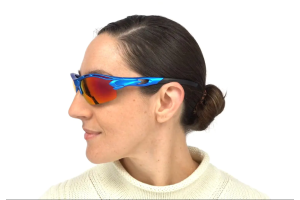
Prescription sports glasses solve these problems by being purpose-built. They feature impact-resistant lenses, reinforced and lightweight frames, wraparound designs for full-field vision, and anti-slip features that ensure stability even during high-motion activities. The right pair won’t just protect your eyes—they'll support your agility, confidence, and decision-making under pressure.
What to Look for in Prescription Sports Glasses
When selecting stylish and protective sports eyewear, several factors go far beyond aesthetics. Athletes should assess features that influence durability, vision quality, and comfort under physical stress. Here are the most important elements to evaluate:
1. Impact Resistance
Your sports glasses must protect your eyes from both minor and major impacts. Look for lenses made from polycarbonate or Trivex, which are known for their exceptional shatter-resistance and lightweight feel. These materials are a must in high-intensity sports like basketball, racquetball, hockey, and even martial arts, where collisions are frequent.
2. Secure Fit and Comfort
An improper fit can distract you mid-play and compromise your focus. Non-slip prescription sports glasses often include rubberized nose pads, grip-coated temples, and adjustable straps to hold the frame in place. Wraparound frames enhance security and provide a snug fit, particularly helpful in fast-moving or contact-heavy sports like soccer, football, and trail running.
3. Sport-Specific Features
Each sport places unique demands on eyewear:
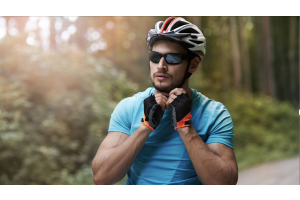
- Cycling: Anti-fog ventilation and aerodynamic, close-fit profiles are key.
- Swimming: Sealed prescription goggles must stay watertight and fog-free.
- Basketball/Football: Shock-absorbing padding and full-frame protection prevent facial injury.
- Baseball/Tennis: Polarized lenses and enhanced peripheral vision help track fast-moving objects in bright conditions.
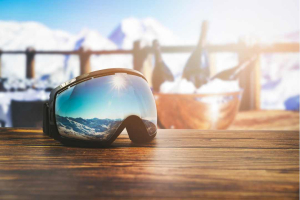
- Skiing/Snowboarding: Mirrored coatings, UV shielding, and moisture resistance help in snowy, high-glare environments.
4. UV and Blue Light Protection
For outdoor sports, UV protection is essential to guard against long-term sun damage. Look for lenses with built-in UVA and UVB filtering. For athletes using screens during training, blue light protection reduces digital eye strain and improves sleep quality, especially during multi-day events or intense schedules.
5. Lens Customization
Your vision needs are unique. Quality prescription sports glasses should offer lenses tailored to your prescription, whether single vision, bifocal, progressive, or astigmatism correction. Add-ons like anti-fog, anti-scratch, and polarized coatings can boost both clarity and lens lifespan, especially in wet or high-glare environments.
Style Matters Too
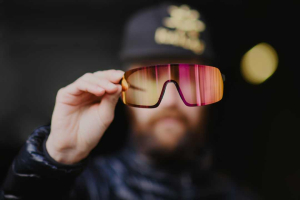
Function is the foundation, but form shouldn't be ignored. Today’s stylish and protective sports eyewear comes in modern designs that look as sharp as they perform. Bold color accents, minimalistic frames, and custom tint options let you coordinate with uniforms, team colors, or personal preferences.
Self-confidence is often linked to how you feel in your gear. Looking good on the court, field, or slope can contribute to mental focus and motivation. For younger athletes, especially, stylish eyewear can reduce resistance to wearing protective gear altogether.
Common Mistakes to Avoid
Even the most committed athletes can make missteps when choosing prescription sports glasses. Watch out for these common errors:
- Wearing everyday glasses during sports: These may break or cause injuries under sudden pressure.
- Neglecting proper fit: A loose frame can slide down your nose at the worst moment. Overly tight designs can create tension headaches and distract from your game.
- Choosing one-size-fits-all options: General-use glasses may not meet the specific visual and physical requirements of your sport.
- Skipping functional coatings: Fogging, glare, and scratches can all be prevented with the right lens treatments. Don’t overlook these add-ons.
- Not replacing worn-out gear: Like shoes or helmets, sports glasses need replacement over time due to wear, prescription changes, or evolving needs.
Who Needs Prescription Sports Glasses?
The answer is simple: anyone who needs vision correction and engages in sports or physical activity. This includes:
- Competitive student athletes
- Adult amateur or professional athletes
- Outdoor adventurers and weekend warriors
- Fitness enthusiasts, hikers, and bikers
- Children in school or recreational leagues
Even in non-contact sports like golf, archery, or cycling, clear vision and environmental defense are crucial. Children especially benefit from non-slip prescription sports glasses, as these promote safer habits, better performance, and a stronger sense of independence.
Transitioning from Contacts or Regular Glasses
Many athletes start with contact lenses, but they aren’t always ideal for sports. Sweat, wind, and dust can dry them out or cause discomfort. Plus, they offer no physical eye protection. Switching to prescription sports glasses eliminates those problems while offering impact defense and visual enhancements in one package.
Transitioning from everyday glasses is usually seamless. Sports eyewear can be tailored to nearly any prescription, and some even allow interchangeable lenses for varying light conditions. Whether you need readers, bifocals, or distance correction, today’s sports glasses are more versatile than ever.
Maintenance and Longevity
Your non-slip prescription sports glasses are only as good as the care you give them. To keep them in peak condition:
- Rinse lenses after each use to remove salt, sweat, and dirt.
- Clean with lens-safe solution and a microfiber cloth.
- Store in a hard case to avoid accidental breakage.
- Never leave them in extreme heat or cold.
Inspect the frames regularly for worn-out pads, stretched straps, or cracked lenses. Replacing small parts early can prevent bigger problems later. Consider keeping a backup pair, especially if you train or compete frequently.
Making the Right Investment
Choosing the right prescription sports glasses is an investment in your performance, your vision, and your long-term health. They aren’t just accessories—they’re protective gear that can influence how well you train, how safely you play, and how confidently you compete.
Look for a provider that offers:
- Customizable lens types and strengths
- Durable, sport-tested frame materials
- Size guides and fitting advice
- Options that cater to youth and adults
- Excellent customer support and warranty policies
Final Thoughts
The right eyewear can make all the difference. Whether you’re biking through wooded trails, diving into the pool, or playing a championship match under bright lights, you need vision that’s sharp and equipment that won’t fail. Stylish and protective eyewear is not a luxury—it’s a game-changer.
At RX Safety Canada, you'll find expert-designed prescription sports glasses built for protection, comfort, and lasting performance. Explore their selection to find eyewear that meets the demands of your sport, your lifestyle, and your prescription.