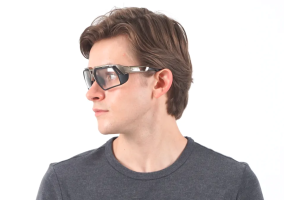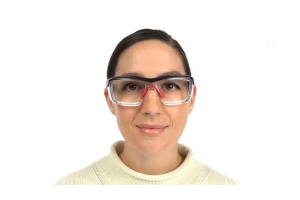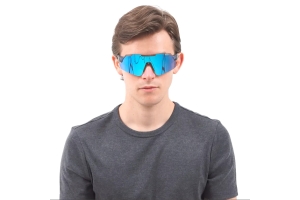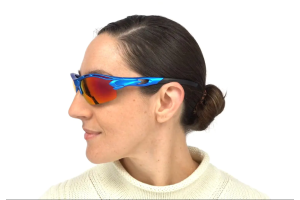
In any work environment where physical hazards are present, protecting your eyes isn't optional—it's essential. Whether you're in construction, manufacturing, lab work, or even a home garage, your vision faces daily threats from flying debris, chemical splashes, and unexpected projectiles. That's where ANSI Z87 Safety Glasses come in.
The American National Standards Institute (ANSI) sets the bar for safety eyewear, and the Z87 standard ensures that your glasses are built to withstand real-world risks. This guide covers what the ANSI Z87 standard means, why it's important, and how to ensure you're using the right pair of ANSI-approved safety glasses for your job.
What Are ANSI Z87 Safety Glasses?
The ANSI Z87.1 standard defines the minimum performance criteria and testing requirements for eye protection in the workplace. Products that meet this standard are marked with "Z87" or "Z87+" on the frame or lens, signifying they have passed rigorous impact resistance, optical quality, and durability tests conducted under standardized conditions.
There are two main classifications of safety eyewear under this standard:
- Z87: Basic impact protection suitable for jobs with a lower risk of flying objects.
- Z87+: High impact protection, required in more hazardous industrial, mechanical, or construction environments.
ANSI Z87 Safety Glasses are designed to protect against a range of threats:
- Blunt impact from flying tools, nails, or fasteners
- Dust and small particles from cutting, sanding, or grinding
- Chemical splashes in labs, factories, and cleaning applications
- Optical radiation from welding, UV exposure, and bright artificial lighting (with the correct lens filters)
If your work exposes you to any of these hazards, standard eyewear or off-the-shelf reading glasses won't cut it. You need ANSI-approved safety glasses that have been thoroughly tested and meet job-specific criteria.
Why ANSI Approved Safety Glasses Matter
Choosing ANSI-approved safety glasses means you're investing in proven protection. Without the Z87 certification, eyewear may not provide the durability or shielding required in hazardous conditions.
Here are a few real-world reasons why ANSI-rated eyewear is critical:
- Flying Debris: In construction and metalworking, high-velocity particles can easily penetrate non-certified lenses.
- Chemical Exposure: In labs and cleaning operations, a sudden splash can damage eyes instantly.
- UV and Light Radiation: Welding and some electrical work require specialized protection against harmful rays.
Simply put, ANSI approval is the difference between eyewear that might help and eyewear that will help.
Features to Look for in Durable Work Safety Glasses
Not all safety glasses are built the same. Even among ANSI-rated products, quality varies. When choosing durable work safety glasses, keep an eye out for the following features:
- Material Strength: Polycarbonate lenses are standard for high impact resistance.
- Scratch Resistance: Look for hard coatings that extend the lifespan of the lenses.
- Comfort and Fit: Adjustable nose pads and temple arms improve wearability during long shifts.
- Prescription Integration: If you wear glasses daily, consider ANSI-rated prescription safety glasses that combine vision correction with certified protection.
- Anti-Fog and UV Protection: For outdoor or humid workspaces, these coatings can significantly improve visibility and comfort.
Remember, durability isn't just about surviving impact—it's also about resisting wear over time. The best durable work safety glasses keep you protected without compromising on comfort or clarity.
Understanding Compliance in Your Workplace
Workplace safety regulations are often governed by national occupational health and safety standards. In Canada, compliance with ANSI Z87.1 is commonly required and enforced across many industries. While some employers supply PPE, others require employees to purchase their own compliant gear.
To stay compliant and safe, consider the following:
- Is Z87 or Z87+ compliance specified in your company’s health and safety manual?
- Are there industry-specific requirements, such as chemical splash protection or radiation filtering?
- Is there a procedure for verifying eyewear compliance, particularly for prescription safety glasses?
- Are safety inspections conducted regularly, and is eyewear part of those checks?
Don’t rely on guesswork or assumptions. Take an active role in reviewing your workplace’s safety policies and ensure your eyewear meets or exceeds the standards.
When to Replace Safety Glasses
Even the highest-quality ANSI Z87 Safety Glasses have a lifespan. Damaged or degraded eyewear no longer provides reliable protection, and using it can actually increase the risk of injury.
Here are key signs it’s time to replace your glasses:
- Cracks, chips, or warping in the lenses or frame
- Lenses are scratched to the point that visibility is reduced
- Coatings (anti-fog, UV, etc.) visibly peeling or degraded
- Loose or broken arms, pads, or seals
- Your prescription has changed (for Rx models)
Best practice includes inspecting your eyewear at the beginning of each shift. Regular maintenance, like cleaning and storing them in a case, also helps extend their usability.
Why Prescription Safety Glasses Need to Be ANSI Rated
Prescription glasses are not designed to protect against workplace hazards. In fact, they can shatter under impact, making injuries worse. If you wear corrective lenses, investing in ANSI-approved safety glasses with prescription lenses is a non-negotiable.
These specially engineered glasses offer the same level of certified impact resistance as non-prescription models, while also delivering clear and accurate vision correction. Modern prescription safety glasses are available in multiple frame styles, sizes, and coatings, making it easy to find a pair that suits your needs and preferences.
For professionals who work long hours and rely on both eye protection and visual clarity, prescription-ready, durable work safety glasses offer unmatched value and safety.
Conclusion: Don’t Compromise on Vision Safety
Your eyes are irreplaceable. Whether you work on a construction site, in a factory, or in a lab, wearing the right eye protection isn’t just a safety box to check—it’s a fundamental part of staying healthy and productive.
If you need reliable, prescription-ready protection, RX Safety Canada offers a full range of ANSI Z87 Safety Glasses that meet all the necessary standards. Explore their catalog of ANSI-approved safety glasses and durable work safety glasses to find the right fit for your specific needs.
Protect your vision today, because there are no second chances when it comes to your eyesight.