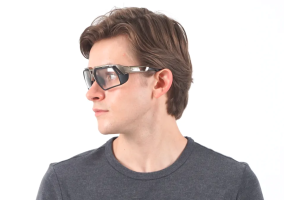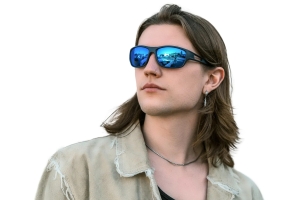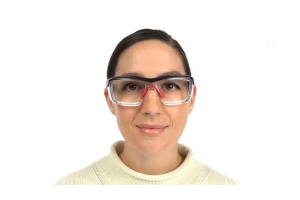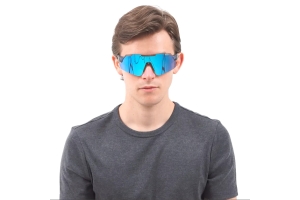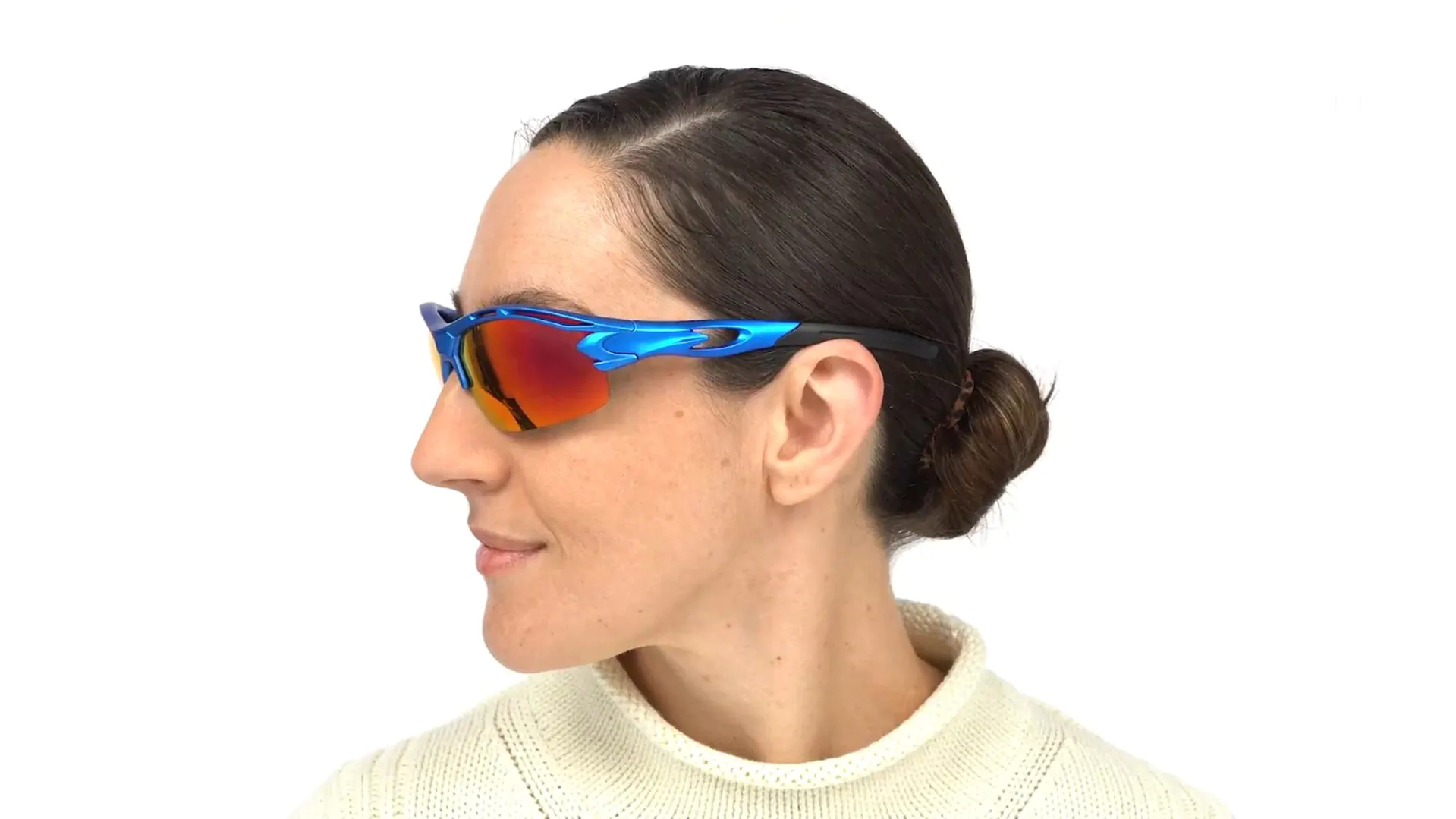
Sports demand sharp vision. Whether you’re tracking a fast-moving ball, navigating a crowded field, or adjusting quickly to changing light outdoors, your eyes are your most important tool. Yet many athletes play without proper vision correction, often underestimating the consequences. The truth is, the dangers of playing sports with poor vision extend far beyond missed shots or slower reaction times—they can directly impact safety, performance, and long-term eye health.
This article explores the hidden risks of playing sports without glasses and why investing in prescription sports glasses isn’t just about seeing clearly—it’s about protecting yourself on and off the field.
Why Vision Matters in Sports
Clear vision influences every aspect of athletic performance. Depth perception, hand-eye coordination, and peripheral awareness all rely on accurate eyesight. When vision is compromised, even slightly, athletes face three major challenges:
- Slower Reaction Times
If you can’t clearly see a ball, opponent, or teammate until the last second, your reaction time decreases. In fast-paced sports like hockey, soccer, or basketball, that delay can mean missed opportunities—or serious injuries.
- Poor Judgment of Distance and Speed
Misjudging how far away an object is, or how fast it’s moving, increases the risk of collisions, falls, or being struck by equipment. This is especially risky in outdoor sports, where speed and space amplify errors.
- Reduced Confidence
Playing sports without clear vision often leads to hesitation. Athletes who second-guess themselves may hold back, reducing their performance and enjoyment of the game.
The Hidden Risks of Playing Without Prescription Glasses
Many athletes underestimate the effects of playing sports without glasses, assuming their vision is “good enough.” But even mild vision issues can create dangerous situations. Below are some of the most overlooked risks:
1. Increased Risk of Injury
Poor vision makes athletes more vulnerable to accidents. Without clear eyesight, you’re more likely to:
- Trip over uneven ground.
- Miss obstacles in your path.
- Get hit by a fast-moving ball or puck.
- Collide with other players.
In contact sports, these accidents can lead to sprains, concussions, or broken bones. In outdoor sports like cycling or skiing, the risk is even higher because the terrain changes quickly.
2. Eye Strain and Fatigue
When you force your eyes to work harder than necessary, strain sets in. Athletes may experience headaches, blurred vision, or fatigue during games or training. Over time, this strain affects not only performance but also long-term eye health.
3. Compromised Peripheral Vision
Peripheral awareness is crucial in sports, whether you’re defending in soccer or anticipating a pass in basketball. Athletes who squint or strain often focus narrowly on what’s directly in front of them, missing critical action in their side vision.
4. Sun and Wind Exposure in Outdoor Sports
Outdoor athletes face added risks. Without proper vision safety in outdoor sports, sunlight can cause glare, making it hard to follow objects in play. Wind, dust, or debris can also irritate the eyes, especially when corrective lenses aren’t in place to shield them.
5. Long-Term Consequences
Repeated injuries or strain caused by poor vision don’t just affect one season. They can have long-term consequences, leading to chronic eye problems or reducing an athlete’s confidence to continue playing.
Why Regular Glasses Aren’t Enough
Some athletes try to wear their everyday prescription glasses during sports. While this may improve vision, it’s far from ideal for several reasons:
- Fragility: Standard glasses can break easily upon impact, posing injury risks.
- Fit Issues: Glasses may slip, fog up, or become uncomfortable during physical activity.
- Limited Protection: Regular glasses don’t shield eyes from UV rays, wind, or debris—key elements of vision safety in outdoor sports.
This is where prescription sports glasses make a crucial difference.
How Prescription Sports Glasses Improve Safety and Performance
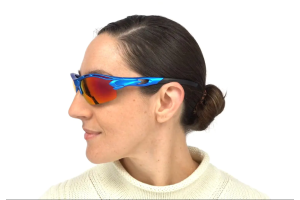
Prescription sports glasses are specifically designed to meet the demands of athletic performance. Here’s what sets them apart:
- Impact Resistance
- Sports glasses are built with durable frames and shatter-resistant lenses, reducing the risk of injury if struck.
- Secure Fit
- Adjustable straps or non-slip designs ensure glasses stay in place during intense movement.
- UV and Glare Protection
- For outdoor athletes, specialized coatings block harmful UV rays and minimize glare, keeping vision sharp in bright conditions.
- Enhanced Peripheral Vision
- Wraparound designs expand the field of vision while providing extra eye protection.
- Custom Prescription
- Unlike contacts or generic eyewear, prescription sports glasses correct individual vision needs, eliminating the effects of playing sports without glasses while also protecting the eyes.
Real-World Examples of Vision-Related Risks
To understand how serious the issue can be, consider a few common scenarios:
- A baseball player with mild nearsightedness struggles to track fly balls, leading to repeated missed catches and increased collision risks in the outfield.
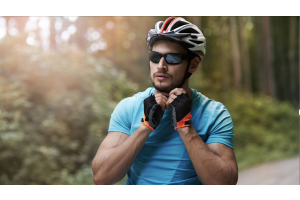
- A cyclist with uncorrected vision underestimates the distance to a vehicle, creating a dangerous situation on the road.
- A soccer player squints against the sunlight and misses an oncoming opponent, resulting in a head-to-head collision.
Each situation could have been avoided with proper corrective sports eyewear.
Making Vision Safety a Priority
Athletes often invest in the latest shoes, equipment, and gear—but vision correction is sometimes overlooked. Yet clear, protected vision should be seen as essential equipment. By acknowledging the dangers of playing sports with poor vision, athletes can protect themselves, enhance performance, and extend their playing years.
For those who need corrective lenses, prescription sports glasses are not a luxury—they are a necessity. They combine safety, comfort, and vision clarity in one piece of equipment designed for sports.
If you’re considering upgrading your gear, it’s worth exploring a trusted provider like RX Safety Canada, which specializes in high-quality prescription eyewear designed for athletes.
Final Thoughts
Sports are meant to be enjoyed to their fullest, but that enjoyment depends on seeing clearly and staying safe. Ignoring vision needs can lead to avoidable injuries, missed opportunities, and long-term health issues.
By recognizing the effects of playing sports without glasses and taking steps to correct them, athletes not only safeguard their eyes but also unlock their full potential.
In the end, the right eyewear isn’t just about vision—it’s about confidence, safety, and playing the game at your very best.