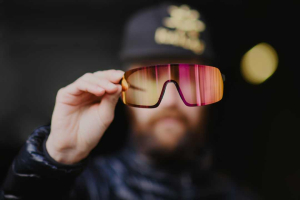
When it comes to protecting your eyes at work, in the lab, or even during hobbies like woodworking, prescription safety glasses are essential. They provide clear vision while ensuring your eyes are shielded from potential hazards such as debris, chemicals, and impact injuries. But how much do they cost? The price of prescription safety glasses varies based on several factors, including lens type, frame material, special coatings, and compliance with safety standards.
In this comprehensive guide, we will break down the costs associated with prescription safety glasses, helping you make an informed decision when purchasing a pair. We will also explore the long-term benefits of investing in high-quality safety glasses, how different work environments influence pricing, and how you can find the best pair for your specific needs.
The price of prescription safety glasses depends on multiple elements. Here are some of the key factors that can impact how much you’ll pay:
Frames for prescription safety glasses are designed for durability and comfort. The materials used affect both performance and price:
The type of lenses you choose significantly impacts the price of your prescription safety glasses:
Prescription complexity affects pricing, as stronger or more specialized prescriptions require additional customization and precision manufacturing.
Certified prescription safety glasses must meet industry standards such as:
These certifications ensure impact resistance and protection from specific workplace hazards, but they also contribute to the price of the glasses. Employers often require certified safety glasses, making it essential to invest in the right pair for your industry. The level of protection needed varies by occupation, with some industries requiring specialized lenses, such as chemical-resistant or radiation-blocking coatings.
Adding protective coatings can enhance the durability and functionality of your prescription safety glasses. Some common coatings include:
In this comprehensive guide, we will break down the costs associated with prescription safety glasses, helping you make an informed decision when purchasing a pair. We will also explore the long-term benefits of investing in high-quality safety glasses, how different work environments influence pricing, and how you can find the best pair for your specific needs.
Factors That Influence the Cost of Prescription Safety Glasses
The price of prescription safety glasses depends on multiple elements. Here are some of the key factors that can impact how much you’ll pay:
1. Frame Material and Design
Frames for prescription safety glasses are designed for durability and comfort. The materials used affect both performance and price:
- Plastic Frames: Lightweight and affordable, but may not be as durable as metal or composite options.
- Metal Frames: Sturdier and often more stylish, but can be heavier.
- Nylon or Composite Frames: Offer a balance of strength and flexibility, commonly found in higher-end safety glasses.
2. Lens Type and Prescription Complexity
The type of lenses you choose significantly impacts the price of your prescription safety glasses:
- Single-Vision Lenses: Typically the most affordable option, these correct for either near or far vision.
- Bifocal Lenses: Provide two focal points, which adds to the cost.
- Progressive Lenses: More expensive than bifocals but offer seamless transitions between different focal points.
- High-Prescription Lenses: If you have a strong prescription, you may need high-index lenses, which are thinner and lighter but also cost more.
- Polycarbonate Lenses: A popular choice for impact resistance, these lenses are lightweight but durable.
Prescription complexity affects pricing, as stronger or more specialized prescriptions require additional customization and precision manufacturing.
3. Safety Certifications and Standards
Certified prescription safety glasses must meet industry standards such as:
- ANSI Z87.1 (U.S.)
- CSA Z94.3 (Canada)
- EN 166 (Europe)
These certifications ensure impact resistance and protection from specific workplace hazards, but they also contribute to the price of the glasses. Employers often require certified safety glasses, making it essential to invest in the right pair for your industry. The level of protection needed varies by occupation, with some industries requiring specialized lenses, such as chemical-resistant or radiation-blocking coatings.
4. Lens Coatings and Enhancements
Adding protective coatings can enhance the durability and functionality of your prescription safety glasses. Some common coatings include:
- Anti-Scratch Coating: Protects against minor abrasions and extends the life of the lenses.
- Anti-Reflective Coating: Reduces glare and improves visual clarity, especially in bright environments.
- Blue Light Filtering: Helps reduce eye strain for those working with screens.
- Photochromic Lenses: Adjust to changing light conditions, functioning as both indoor and outdoor safety glasses.
- UV Protection: Shields eyes from harmful UV rays, which is particularly beneficial for outdoor workers.
- Fog-Resistant Coating: Ideal for humid environments or workers who move between temperature-controlled areas.
- Typically includes single-vision lenses.
- Basic plastic or metal frames.
- Minimal coatings (anti-scratch may be included).
- Ideal for general workplace environments where minimal customization is needed.
- Limited design options with standard safety certifications.
- Offers a wider range of frame materials (composite, durable nylon, or metal options).
- Includes bifocal or progressive lenses.
- Additional coatings like anti-reflective and blue light filtering.
- More stylish and ergonomic designs for added comfort. Increased durability and impact resistance, making them suitable for high-risk environments.
- High-end materials and premium lens options (high-index, photochromic, or tinted lenses).
- Custom safety features such as enhanced side protection.
- All-inclusive coatings for maximum durability and clarity.
- Specialized designs tailored to specific industries like construction, healthcare, or laboratories.
- Extended warranties or service options may be available for long-term use.
Each of these coatings comes with an additional cost but may be worth the investment, depending on your work environment. The more extreme the conditions, the more critical these enhancements become.
5. Customization and Additional Features
Some prescription safety glasses offer features such as side shields, wraparound styles, or special temple adjustments for a more secure fit. These enhancements can increase the price but improve comfort and protection. Anti-fog coatings, polarized lenses, and adjustable nose pads also add convenience and long-term usability. For those working in high-risk environments, such as construction or welding, specialized safety features can make a significant difference in performance and protection.
Price Ranges for Prescription Safety Glasses
Now that we’ve covered the key factors that influence cost, let's discuss price ranges.
Basic Prescription Safety Glasses (CAD$35 - CAD$50)
Mid-Range Prescription Safety Glasses (CAD$50 - CAD$100)
Premium Prescription Safety Glasses (CAD$100 - CAD$200+)
Are Prescription Safety Glasses Worth the Investment?
Investing in high-quality prescription safety glasses is essential for protecting your vision. While cheaper options may seem appealing, they lack the necessary durability and certifications required for workplace safety. Spending a little more on a well-designed, compliant pair can prevent costly eye injuries and provide long-term value.
Additionally, safety glasses with the right features can enhance productivity by reducing eye strain and discomfort. Workers who wear improperly fitted or low-quality safety glasses often experience vision fatigue, which can lead to decreased performance and potential workplace accidents.
Where to Buy High-Quality Prescription Safety Glasses?
If you're looking for the best place to purchase prescription safety glasses, consider RX Safety Canada. They offer a wide selection of high-quality, certified safety glasses designed to meet industry standards. Whether you need a basic pair for everyday protection or a premium option with advanced features, RX Safety Canada has options to suit your needs.
By investing in the right prescription safety glasses, you’re not only protecting your vision but also ensuring compliance with workplace safety regulations. Don't compromise on eye safety—explore the extensive selection at RX Safety Canada today!