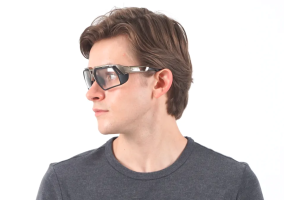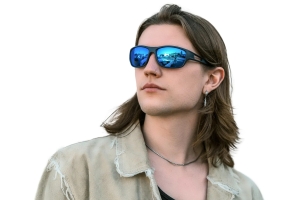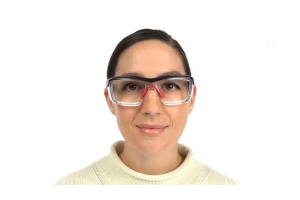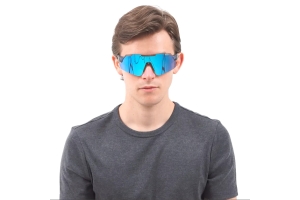
If you play sports and wear glasses, you already know the struggle. Regular eyeglasses aren't designed to stay put during movement, absorb impact, or handle sweat. That’s where prescription sports glasses come in—designed for protection, performance, and vision clarity during physical activity. But one question always comes up: how much are sports glasses when you need a prescription?
In this article, we'll break down the factors that influence the cost of prescription sports eyewear, typical price ranges, and what you get at different price points. The goal is to help you make an informed decision without guesswork.
What Are Prescription Sports Glasses?
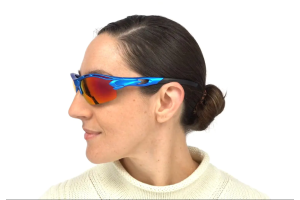
Prescription sports glasses are eyewear specifically engineered for athletic activities. They combine impact-resistant materials, wraparound frames, and non-slip features with your customized lens prescription. They’re not just for elite athletes; they’re for anyone who plays sports and needs a clear, stable vision.
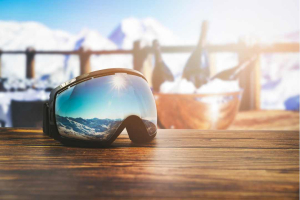
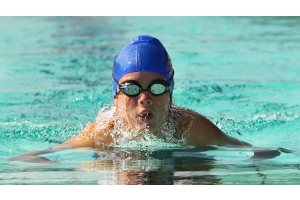
These glasses are used in a wide range of sports, including basketball, soccer, cycling, racquet sports, skiing, and even swimming. Each activity may call for slightly different specs—but the core goal is the same: protect your eyes while ensuring optimal vision.
What Influences the Cost of Prescription Sports Eyewear?
Several key factors impact the price of sports prescription glasses:
1. Frame Type and Material
Sports frames are typically made from durable, lightweight materials like polycarbonate or TR-90 nylon. These materials are built to withstand impact and stay in place during movement. Wraparound designs or full-seal goggles cost more due to additional engineering and material use. Adjustable nose pads, temple grips, and ventilation channels may also add to the price.
2. Lens Type and Prescription Complexity
Your prescription has a major effect on cost. Higher-index lenses, progressive (multifocal) prescriptions, or specialized lens shapes (for wraparound frames) will raise the price. So will correct for astigmatism or prism issues. In some cases, sports lenses must be digitally surfaced to maintain clarity across the curved surface—another factor that can affect pricing.
3. Lens Enhancements
Add-ons such as anti-fog coating, polarization, photochromic transitions, and mirror coatings can bump up the cost. These are performance upgrades that can significantly improve comfort and vision in specific environments. For example, polarization helps reduce glare from water or pavement, while anti-fog coatings are essential for indoor sports or winter conditions.
4. Sport-Specific Design Features
Some sports glasses include padding, ventilation systems, or interchangeable lenses. If you need glasses for a particular sport like racquetball or cycling, those unique features may increase the total price. Ventilation slits, sweat channels, or extended side shields can all contribute to the final cost.
5. Brand and Manufacturing Origin
While we’re focusing only on one retailer here, it’s worth noting that imported vs. locally manufactured glasses, custom builds vs. off-the-shelf models, and branded frames can influence pricing. Buying from a trusted Canadian supplier helps avoid surprise duties or substandard materials. Consistency in lens quality and reliable customer service are additional advantages.
Average Prescription Sports Glasses Cost
So, how much are sports glasses when they include a prescription?
Here’s a breakdown of typical pricing tiers to give you a better idea:
- Budget Range ($100 - $150)
- Basic polycarbonate frames
- Single-vision lenses
- Limited or no coatings
- Standard fit and function
- Mid-Range ($150 - $250)
- Sport-specific frame designs (wraparound, goggle style)
- Prescription single-vision or basic bifocal lenses
- Anti-scratch and anti-fog coatings
- Lightweight, durable materials
- Premium Range ($250 - $400+)
- Custom-fit frames with enhanced grip
- Progressive lenses or strong/high-index prescriptions
- Specialized coatings (photochromic, polarized)
- Interchangeable lens options or enhanced ventilation
These are general guidelines. Some custom-built sports glasses with complex prescriptions and specialty lens coatings can exceed $400, but that’s not the norm for most users.
Are Prescription Sports Glasses Worth the Cost?
Absolutely. If you’re active, these glasses aren’t a luxury—they’re safety gear. Eye injuries are common in many sports and can lead to long-term damage. Prescription sports eyewear gives you both protection and clear vision in one package. For children and teens, in particular, the right eyewear can also help with focus and confidence on the field.
Cheaper alternatives like contact lenses or regular glasses come with drawbacks: lenses can dry out or dislodge, and everyday glasses are not built for impact. Some even shatter under pressure, posing more of a danger. Investing in prescription sports glasses can reduce your risk of injury, improve your game, and save you money on potential eye-related medical costs down the line. For athletes who train regularly, it can be the difference between performing well and struggling to see.
Tips to Get the Best Value
- Know your sport: Different sports demand different features. Don’t overpay for unnecessary extras. Consider conditions such as lighting, speed, and type of contact involved.
- Prioritize lens quality: This is where performance truly matters. Go for lenses that offer clarity, durability, and coatings suited to your sport. Polarized lenses for water sports or anti-fog for hockey can make a real difference.
- Use a reputable provider: Avoid third-party resellers with unclear return policies. Choose a provider that specializes in prescription sports eyewear.
- Check for warranty and adjustments: These are high-impact glasses. Know what your provider offers in terms of fit adjustments or breakage protection. A good warranty can be worth the higher upfront cost.
- Consider long-term use: If you play multiple sports or year-round, it might be worth investing in a pair with more features or better adaptability, such as transitional lenses or modular designs.
Final Thoughts
The cost of prescription sports eyewear can vary widely, but most people can expect to spend between $150 and $300 CAD for a reliable pair. The exact price of sports prescription glasses depends on your needs, your sport, and your prescription.
The key is not to shop based on price alone. Consider your activity, safety, and the level of clarity you need. The right pair of glasses can boost your performance and protect your eyes—and that's not something worth cutting corners on.
If you're ready to invest in your vision and safety, RX Safety Canada offers a wide range of prescription sports glasses designed for comfort, protection, and durability. Browse their selection here to find a pair that fits your sport and your prescription.