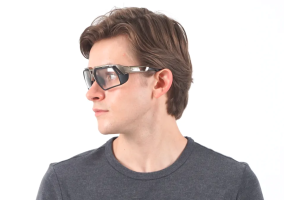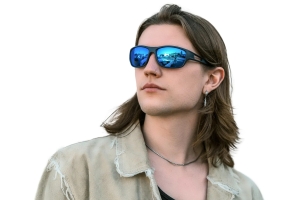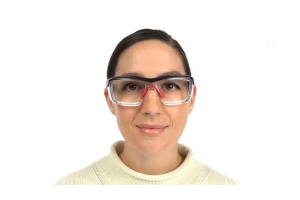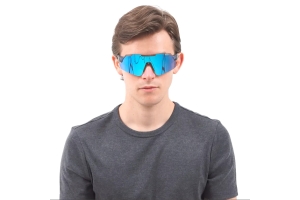
Eye protection is a non-negotiable component of workplace safety in industrial, medical, and construction environments. However, simply wearing any pair of glasses is not sufficient to prevent injury. To ensure maximum protection, you must verify that your equipment meets the rigorous criteria set by the American National Standards Institute (ANSI). Identifying authentic ANSI Z87 Safety Glasses requires a clear understanding of specific markings and testing protocols. This guide provides a detailed breakdown of how to inspect your eyewear to ensure it provides the necessary defence against impact, radiation, and chemical splashes.
Understanding the ANSI Z87.1 Standard
The ANSI Z87.1 standard is the primary benchmark for occupational and educational personal eye and face protection devices in the United States and is widely recognized in Canada. It establishes the requirements for the design, construction, testing, and use of protective eyewear. The standard is not static; it is updated periodically to reflect new technologies and emerging workplace hazards. The most recent versions focus on hazard-based protection, meaning the markings on the glasses tell you exactly what type of threat they are designed to mitigate.
When you purchase protective gear, you are looking for evidence that the product has undergone high-velocity impact tests, penetration tests, and exposure tests for various types of radiation. Without these certifications, a pair of glasses may look sturdy but could shatter upon impact, potentially causing more harm to the eye than wearing no protection at all.
Mandatory Markings on ANSI Z87 Safety Glasses
The most reliable way to determine if your eyewear is compliant is to look for the permanent markings on the frame and the lenses. These markings are not just brand logos; they are coded symbols that represent the testing results of that specific model.
Frame Markings
Every compliant frame must have the Z87 mark clearly visible. Usually, this is found on the inside of the temples (the arms) or the brow bar. The manufacturer's logo or name must also be present. If you see the "Z87" mark alone, it indicates that the frames meet the basic impact standard. However, if your work involves higher risks, you should look for the "Z87+" mark. The plus sign indicates that the eyewear has passed high-mass and high-velocity impact testing.
Lens Markings
Lenses are held to even stricter marking requirements because they are the primary barrier between a hazard and your vision. A compliant lens will feature the manufacturer’s mark followed by the Z87 designation. Similar to the frames, a "+" sign on the lens signifies high-impact resistance. This is a critical distinction for those working with power tools or in environments where debris may travel at high speeds.
Decoding the Safety Rating Symbols
The ANSI Z87.1-2020 standard introduced a more descriptive marking system to help users choose the right protection for specific hazards. Beyond the basic impact rating, you might see several letters and numbers that indicate specialized protection.
Impact Rating: "Z87" for basic impact and "Z87+" for high impact.
UV Protection: Indicated by the letter "U" followed by a number from 2 to 6. A higher number indicates higher protection against ultraviolet light.
Infrared Light Protection: Represented by the letter "R" and a scale from 1.2 to 10.
Visible Light Filter: Marked with the letter "L" and a numerical scale. This is important for workers who transition between different lighting environments.
Splash and Droplet Protection: If you are using Z87 safety goggles instead of standard glasses, you may see a "D3" marking for splash and spray protection or "D4" for dust protection.
Understanding these codes is essential for matching your gear to your environment. For instance, a welder’s helper would require a different "W" shade rating than a laboratory technician concerned with chemical splashes.
The Difference Between Basic and High Impact
The distinction between basic impact and high impact is often misunderstood. In the testing phase, basic impact lenses are tested by dropping a one-inch diameter steel ball from a height of fifty inches. To pass, the lens must not fracture.
High-impact testing is significantly more demanding. For the high-velocity test, a 0.25-inch steel ball is fired at the lens at speeds ranging from 150 to 300 feet per second, depending on the type of eyewear. Additionally, a high-mass test involves dropping a pointed, weighted projectile onto the lens. ANSI Z87 Safety Glasses that bear the "+" mark have survived these extreme conditions without the lens coming into contact with the eye or the frame failing.
Testing Your Equipment’s Integrity
Compliance is not just about the initial purchase. Over time, safety glasses can degrade. Pits, deep scratches, and cracks in the frame can compromise the structural integrity of the device. Even if your glasses have the correct ANSI markings, they should be replaced if they show signs of significant wear. A scratched lens can also cause eye strain and reduced visibility, which in itself is a safety hazard in industrial settings.
When evaluating your current gear, ensure that the lenses are securely seated in the frames. If you are using prescription safety eyewear, the lenses must be fitted by a qualified professional to ensure the combination of the custom lens and the safety frame maintains the Z87 rating. Many workers find that hybrid glasses with a sporty style offer the best balance of comfort and certified protection for long shifts.
Why Quality Matters
Choosing certified ANSI Z87 Safety Glasses is about risk management. The cost of a high-quality pair of glasses is negligible compared to the potential medical costs and life-altering consequences of an eye injury. In many jurisdictions, wearing non-compliant eyewear in a designated safety zone is also a violation of occupational health and safety regulations, which can lead to fines for both the employer and the employee.
By looking for the Z87 mark, you are ensuring that a third-party standard has been applied to the manufacturing process. This provides a layer of accountability that generic "protective" glasses simply cannot offer.
Conclusion
To determine if your safety glasses meet the necessary requirements, you must look beyond the physical appearance and search for the specific ANSI Z87.1 markings. Check both the temples and the lenses for the Z87 or Z87+ symbols. Verify any additional codes for UV or chemical protection if your workplace requires them.
At RX Safety CANADA, we understand that precision and safety go hand in hand. While we are dedicated to providing the highest quality ANSI-rated eyewear, our expertise in optical solutions extends much further. For medical professionals who require unparalleled visibility during delicate procedures, RX Safety Canada is the ultimate place for buying surgical headlights. Our range of illumination tools is designed to meet the same exacting standards for durability and performance that we apply to our safety glasses.