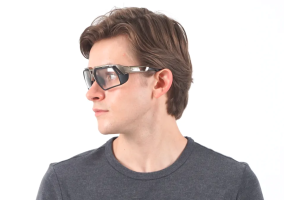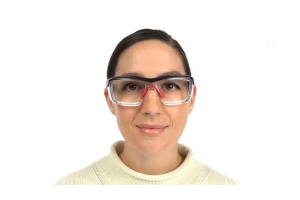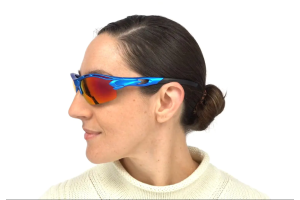
Protecting your eyes from daily light exposure is no longer optional. Most people spend long hours outdoors, in front of screens, or moving between bright and low light settings. This constant shift exposes your eyes to ultraviolet (UV) rays and high energy visible (HEV) blue light that can contribute to eye strain and long term vision concerns. Photochromic lenses glasses aim to solve this problem by adjusting to changing light, giving you a reliable layer of protection throughout the day.
This guide explains how these lenses work, why they are effective, and how to choose the right pair of photochromic glasses or photochromic prescription glasses based on your lifestyle.
What Are Photochromic Lenses?
Photochromic lenses are clear indoors and darken when exposed to UV light. They contain molecules that react to sunlight, which causes the lenses to tint automatically. When the UV source is gone, the lenses return to their clear state.
Many people refer to them as transition lenses glasses because they transition smoothly between light conditions. They are available in prescription and non prescription formats, so anyone can use them whether they need vision correction or simply want better protection.
Why Eye Protection Matters
Two key sources of harmful light create daily challenges:
UV Rays: Invisible but damaging. They contribute to cataracts, photokeratitis, and potential long term changes to the eye.
Blue Light: Emitted by the sun and digital screens. High energy waves that can lead to digital eye strain and may impact sleep patterns.
Photochromic eyeglasses help limit exposure to both, offering consistent protection without needing to switch between regular glasses and sunglasses.
How Photochromic Lenses Respond to Light
The Science Behind the Tint
The lenses contain special molecules, often based on silver halide or organic photochromic dyes. When UV rays hit the lens surface, the molecules shift into an activated state. This shift causes the lens to darken.
When sunlight fades, these molecules return to their natural state. This is why photochromic lenses clear up again indoors.
What Triggers the Reaction
UV exposure triggers the darkening process. This is important for one reason: car windshields block most UV light. If you plan to use photochromic glasses while driving, you may want a version designed to activate behind windshields. Some modern photochromic technologies react to visible light as well, which allows partial activation in vehicles.
Key Benefits of Photochromic Lenses
1. Continuous UV Protection
Photochromic lenses block nearly all UVA and UVB rays. This makes them effective for outdoor work, sports, or daily errands. You get eye protection without needing a separate pair of sunglasses.
2. Blue Light Filtering
Many photochromic prescription glasses include coatings or built in filtering that reduce the amount of blue light reaching your eyes. This supports long hours spent:
Using computers and tablets
Scrolling on smartphones
Working under bright LED lighting
While no lens eliminates all blue light, photochromic lenses reduce a meaningful portion, which can help minimize digital eye strain.
3. Adaptive Comfort in Changing Conditions
Moving between bright sunlight and shaded environments can strain your eyes. The ability of transition lenses glasses to adjust automatically creates smoother visual comfort. It helps reduce squinting and can limit fatigue caused by intense brightness.
4. Visual Clarity Indoors and Outdoors
Photochromic lenses address a common problem. Many people wear clear indoor prescription glasses and must carry sunglasses for outdoor use. Photochromic lenses function as both. This means:
Less hassle
Fewer items to carry
Consistent visual correction in all conditions
5. Eye Health Support Over Time
Chronic UV exposure increases the risk of cataracts and other eye concerns. Reducing UV exposure as early as possible contributes to long term eye health. For people who spend ample time outdoors, photochromic lenses offer a dependable layer of defence.
Who Can Benefit Most from Photochromic Eyeglasses?
Outdoor Athletes and Active Professionals
Runners, cyclists, construction workers, landscapers, and anyone who spends extended time outdoors benefit from continuous UV protection without switching eyewear.
Commuters and Drivers
With versions designed to activate in vehicles, commuters can limit eye fatigue during long drives.
Digital Workers
If you spend much of your day on screens and also have outdoor activity, photochromic eyeglasses help manage both blue light and UV exposure.
Children and Teens
Children receive more UV exposure than adults because they spend more time outdoors and their eyes allow more UV to reach the retina. Photochromic lenses give young eyes practical, everyday protection.
People With Light Sensitivity
Those with photophobia or mild light sensitivity find relief through automatic tinting that responds to environmental brightness.
Factors to Consider When Buying Photochromic Lenses
1. Speed of Activation
Some lenses darken and clear faster than others. Faster performance increases visual comfort if you move between indoor and outdoor settings frequently.
2. Tint Strength
Photochromic lenses reach different darkness levels depending on the product. Those who want stronger outdoor comfort should choose a lens that reaches a deeper tint.
3. Prescription Compatibility
Most photochromic prescription glasses can be made for single vision, bifocal, or progressive needs. They also work with many impact resistant or safety frame types.
4. Material Type
Common lens materials include:
Polycarbonate
Trivex
High index plastics
Polycarbonate and Trivex are preferred for safety and sports use because they are impact resistant.
5. Frame Style
Photochromic performance can vary slightly based on frame shape. Wraparound frames, often used for sports, can reduce stray light and improve overall comfort.
Additional Features That Enhance Photochromic Lenses
Anti Reflective Coatings: Reduces glare from screens, headlights, and artificial light.
Scratch Resistant Coatings: Improves durability, especially for outdoor or work environments.
UV Blocking Frame Materials: While lenses block UV, some frames offer added blocking to limit side exposure.
Safety Rated Options: Photochromic lenses can be placed in safety rated frames for work environments where impact protection is required.
Why Many Buyers Prefer Photochromic Lenses Over Traditional Sunglasses
One pair for all lighting conditions
Reduced the chance of misplacing sunglasses
Consistent visual correction outdoors
Lower long term cost since you do not need an additional prescription sunglasses pair
Photochromic lenses also offer a more natural viewing experience. Since they adapt to the environment, your eyes do not struggle to adjust from bright to dim settings.
Are Photochromic Lenses Worth It?
For most people, yes. They deliver a blend of safety, comfort, and convenience that fits modern lifestyles. Whether you are working outdoors, driving regularly, or spending hours on screens, photochromic lenses offer a flexible solution to ongoing light exposure.
They also support long term eye health by reducing UV and blue light impact. That makes them a practical option for adults, children, and seniors alike.
Conclusion: A Smart Choice for Eye Protection and Everyday Comfort
Photochromic lenses glasses give you a trusted, adaptable way to protect your eyes from UV rays and blue light. They combine the benefits of clear indoor lenses with outdoor sun protection, making them a strong choice for daily use. If you want dependable and protective eyewear, photochromic lenses are a practical upgrade.
For high quality options, including safety rated styles and prescription choices, explore RX Safety CANADA. They provide reliable photochromic glasses, performance ready frames, and secure lens options built for work, sport, and daily wear.
Visit RX Safety CANADA to find the right pair for your needs.