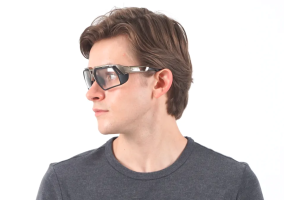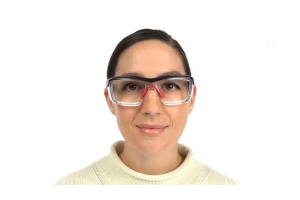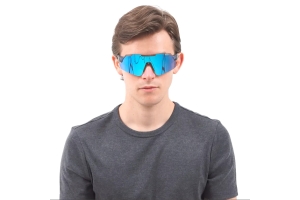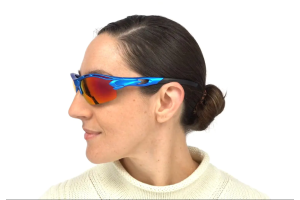
In laboratory environments, safety protocols exist for good reason. From chemical handling to high-speed machinery, lab work can expose technicians and researchers to a wide range of hazards. One of the most vulnerable and often overlooked areas of protection is eye safety when precision and clear vision are just as critical as protection, prescription safety glasses become essential, not optional.
The Risk of Eye Injuries in Labs
Whether it's a research lab, clinical lab, or industrial testing environment, the risk of eye injury is always present. Lab technicians often work with volatile substances, flying particles, or biological materials that can cause serious damage to unprotected eyes.
According to occupational safety data, thousands of eye injuries occur each year due to a lack of proper protective eyewear. In most of these cases, the injuries could have been prevented with the right type of protection. For technicians who require vision correction, regular safety goggles worn over prescription glasses are not only uncomfortable but can also compromise safety. The solution is simple and effective: lab safety glasses with prescription lenses.
What Makes Prescription Safety Glasses Different?
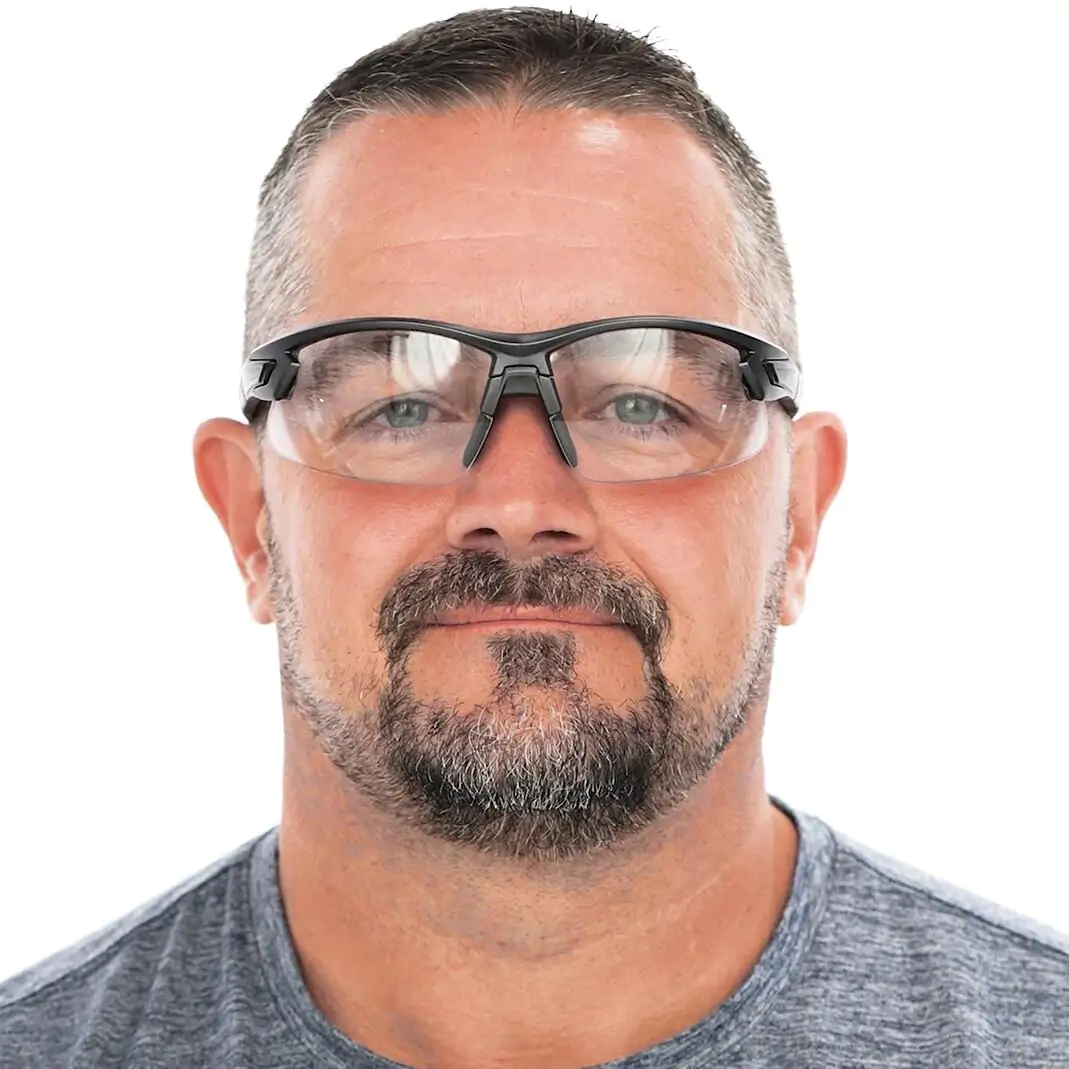
Prescription safety glasses are designed to combine corrective lenses with impact-resistant materials. These glasses eliminate the need for layering prescription glasses under standard protective goggles. They offer a single, integrated solution that meets safety standards while ensuring visual clarity.
What sets them apart:
- Impact Resistance: Lenses are made from durable materials like polycarbonate or Trivex, offering a high level of resistance to impact.
- Wraparound Designs: Many frames provide side shields or full-coverage designs to protect against splash, debris, and flying particles.
- ANSI/CSA Standards: Properly rated glasses meet stringent safety certifications, such as ANSI Z87.1 in the U.S. and CSA Z94.3 in Canada.
- Custom Prescription Options: Wearers don’t have to sacrifice sharp vision. Lenses can be made to match nearly any prescription, including single vision, bifocal, or progressive.
Why Clarity Matters as Much as Safety
In the lab, attention to detail is everything. A misplaced decimal or misread label can lead to costly—and potentially dangerous—mistakes. That’s why eye protection for lab technicians must go beyond just shielding the eyes; it must also support precise, reliable vision.
Blurry or distorted vision through ill-fitting goggles can lead to eye strain, fatigue, or incorrect readings. Lab safety glasses with prescription lenses ensure technicians see clearly and comfortably, which enhances focus and reduces the risk of error.
For long shifts or repetitive tasks, visual clarity isn't a luxury—it's a safety measure in itself.
Comfort and Compliance
Even the most protective eyewear won’t be effective if it’s left on the bench. One of the top reasons workers neglect to wear eye protection is discomfort. Over-the-glasses solutions are often bulky, heavy, and prone to fogging. They can slip during use or cause headaches from a poor fit.
Prescription safety glasses solve these issues by offering a tailored fit and better weight distribution. With fewer layers between the eye and the lens, there’s also less fogging and distortion. Many frames are designed with lab work in mind—lightweight materials, adjustable nose pads, and temple arms that accommodate headgear or masks.
When eyewear is comfortable and clear, compliance goes up, meaning more technicians stay protected all day.
Use Cases in the Lab
Depending on the specific tasks performed, lab technicians might need different types of eye protection. Here are common use cases where lab safety glasses with prescription lenses play a key role:
- Chemical Handling: Splash-resistant glasses protect against accidental chemical exposure during pouring or mixing.
- Sample Preparation: Fine tasks that require precision, like pipetting or weighing, demand distortion-free optics.
- Mechanical Testing: Impact-resistant glasses are crucial when working with machinery, cutting tools, or pressurised systems.
- Biological Work: Protective eyewear prevents exposure to infectious agents during dissection or culture handling.
- UV or Laser Exposure: Specialised lenses can be coated or tinted to protect against specific wavelengths if UV or laser light is involved.
In all these cases, dual-function eyewear that offers both protection and prescription clarity increases both safety and productivity.
Standards and Regulations
In Canada, CSA Z94.3 is the gold standard for protective eyewear in occupational settings, including laboratories. This standard sets requirements for frame durability, lens impact resistance, and side protection. Reputable providers of prescription safety glasses ensure their products meet or exceed this standard.
It’s also important for lab managers to ensure that all safety glasses—prescription or not—are inspected regularly for scratches, cracks, or damage that could compromise protection.
Transitioning to Prescription Safety Glasses in the Lab
For labs still relying on generic over-the-glasses (OTG) goggles, making the switch to prescription safety glasses is an upgrade in both safety and efficiency. Here's how to make the transition effectively:
- Evaluate Needs: Assess how many staff members require vision correction and in what capacity.
- Choose the Right Frame and Lens Type: Consider the environment, tasks, and exposure risks to pick the appropriate design.
- Verify Certification: Ensure all eyewear complies with CSA Z94.3 standards.
- Fit and Comfort Checks: Offer sizing options or adjustable models for the best fit.
- Routine Maintenance: Encourage regular cleaning and prompt replacement of damaged eyewear.
Clarity and Protection Shouldn’t Be a Trade-off
Lab work is demanding. There’s no room for compromise when it comes to eye safety or clear vision. Prescription safety glasses are not just a matter of personal comfort; they are an essential tool in maintaining accuracy, reducing accidents, and promoting compliance with health and safety standards.
Without a clear, protected vision, even the most skilled lab technicians are at risk of errors, injuries, or lost productivity. By investing in quality lab safety glasses with prescription lenses, labs signal a commitment to the well-being of their staff, the integrity of their work, and the long-term reliability of their operations.
Find the Right Prescription Safety Glasses
When safety and clarity matter equally, it’s important to choose a provider who understands both. RX Safety Canada offers a wide range of CSA-certified prescription safety glasses specifically designed for lab environments. Their selection combines impact protection, clear optics, and customizable prescriptions to ensure that technicians can work safely and see clearly, without compromise.
Explore your options and equip your lab team with the eyewear they need to do their best—and safest—work.