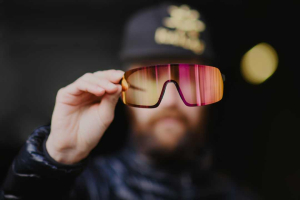
When it comes to eyewear, understanding the differences between prescription safety glasses and regular glasses is essential. While both serve to correct vision, they are designed for different purposes. Choosing the right pair can significantly impact eye health, safety, and comfort, especially in hazardous work environments. Whether you are in an industrial setting, working with chemicals, or engaging in high-risk sports, having the right protective eyewear is crucial.
Regular glasses, also known as prescription eyeglasses, are designed primarily for vision correction. They help individuals with nearsightedness, farsightedness, astigmatism, or other vision impairments see more clearly. These glasses come in various frame styles, lens materials, and coatings to enhance durability and aesthetics. However, they are not built to withstand high-impact forces or protect against hazardous substances.
Regular glasses typically feature:
While they improve vision, they do not offer adequate protection in environments with flying debris, chemical splashes, or high-intensity light exposure. Many people mistakenly assume that their regular glasses provide enough protection in workplaces or sports settings, which can lead to unnecessary eye injuries.
Prescription safety glasses combine vision correction with enhanced protection. They are specifically designed for industrial, laboratory, construction, and sports settings where eye safety is a concern. Unlike regular glasses, they meet stringent safety standards for impact resistance, lens durability, and side coverage. In certain environments, such as manufacturing plants, construction sites, or even woodworking workshops, wearing regular glasses instead of prescription safety glasses could pose a serious risk.
Key features of prescription safety glasses include:
These glasses are essential for professionals working in hazardous conditions, such as construction workers, lab technicians, factory workers, and mechanics. They also benefit athletes and outdoor enthusiasts who require both vision correction and eye protection.
To better understand the distinction, let's compare the two based on several critical factors:
Regular glasses: Typically made from lightweight materials, they are not designed to withstand heavy impact. The frames may bend or break under pressure.
Safety glasses: Made from durable materials that resist impact and harsh conditions. They often feature reinforced frames and shatter-resistant lenses.
Regular glasses: Lenses are designed for clarity but may not be impact-resistant. They can shatter upon impact, posing a risk to the eyes.
Safety glasses: Lenses meet impact-resistance standards and protect against debris, chemicals, and UV radiation.
Regular glasses: Typically have open sides, leaving the eyes exposed to hazards.
Safety glasses: Many models include built-in or detachable side shields to provide full peripheral protection. Some models even have wraparound lenses for additional protection.
Regular glasses: Do not need to meet safety regulations for impact resistance.
Safety glasses: Must comply with safety standards such as ANSI Z87.1 in the U.S. or CSA Z94.3 in Canada.
Regular glasses: Suitable for everyday wear, reading, driving, and office work.
Safety glasses: Essential for workplaces with hazards, sports, and outdoor activities requiring eye protection. Industries such as construction, automotive repair, and chemistry laboratories require workers to wear certified safety eyewear.
If your work or hobbies expose you to potential eye injuries, investing in prescription safety glasses is a smart decision. Eye injuries can lead to severe consequences, including vision loss. Wearing the right protective eyewear can prevent up to 90% of workplace eye injuries. This statistic alone underscores the importance of choosing safety glasses designed to withstand high-impact risks.
Additionally, modern prescription safety glasses come in various styles, offering a comfortable and fashionable alternative to traditional bulky safety goggles. Many models provide customization options, including lens coatings, tints, and frame designs, ensuring you don’t have to compromise on comfort or aesthetics. You no longer have to choose between protection and style—many prescription safety glasses available today are sleek and lightweight.
Another advantage of prescription safety glasses is their adaptability. Many models now come with anti-fog technology, making them ideal for those who work in environments with fluctuating temperatures. Additionally, some designs cater specifically to different industries, such as specialized safety glasses for welders, healthcare professionals, and laboratory technicians.
Understanding the differences between regular glasses and prescription safety glasses helps ensure you choose the right eyewear for your needs. While regular glasses are ideal for everyday vision correction, they do not provide adequate protection in hazardous environments. Prescription safety glasses offer the best of both worlds—clear vision and superior eye protection. If you work in an industry that requires eye protection or engage in activities where your eyes are at risk, investing in prescription safety glasses is essential. Workplace safety should never be compromised, and the right eyewear can make a significant difference in preventing accidents.
For high-quality, certified safety eyewear, explore the options available at RX Safety Canada today. Protect your eyes and ensure long-term vision safety with durable, industry-approved prescription safety glasses.
What Are Regular Glasses?
Regular glasses, also known as prescription eyeglasses, are designed primarily for vision correction. They help individuals with nearsightedness, farsightedness, astigmatism, or other vision impairments see more clearly. These glasses come in various frame styles, lens materials, and coatings to enhance durability and aesthetics. However, they are not built to withstand high-impact forces or protect against hazardous substances.
Regular glasses typically feature:
- Lightweight frames made of plastic, acetate, or metal
- Lenses made from plastic, polycarbonate, or high-index materials
- Coatings for anti-glare, UV protection, or scratch resistance
While they improve vision, they do not offer adequate protection in environments with flying debris, chemical splashes, or high-intensity light exposure. Many people mistakenly assume that their regular glasses provide enough protection in workplaces or sports settings, which can lead to unnecessary eye injuries.
What Are Prescription Safety Glasses?
Prescription safety glasses combine vision correction with enhanced protection. They are specifically designed for industrial, laboratory, construction, and sports settings where eye safety is a concern. Unlike regular glasses, they meet stringent safety standards for impact resistance, lens durability, and side coverage. In certain environments, such as manufacturing plants, construction sites, or even woodworking workshops, wearing regular glasses instead of prescription safety glasses could pose a serious risk.
Key features of prescription safety glasses include:
- High-impact-resistant lenses, usually made from polycarbonate or Trivex
- Frames designed to withstand extreme conditions, often with side shields for additional protection
- Compliance with safety standards such as ANSI Z87.1, CSA Z94.3, or EN 166
- Anti-fog, anti-scratch, and UV-protective coatings
- Wraparound designs for additional peripheral protection
These glasses are essential for professionals working in hazardous conditions, such as construction workers, lab technicians, factory workers, and mechanics. They also benefit athletes and outdoor enthusiasts who require both vision correction and eye protection.
Key Differences Between Prescription Safety Glasses and Regular Glasses
To better understand the distinction, let's compare the two based on several critical factors:
1. Material and Durability
Regular glasses: Typically made from lightweight materials, they are not designed to withstand heavy impact. The frames may bend or break under pressure.
Safety glasses: Made from durable materials that resist impact and harsh conditions. They often feature reinforced frames and shatter-resistant lenses.
2. Lens Strength and Protection
Regular glasses: Lenses are designed for clarity but may not be impact-resistant. They can shatter upon impact, posing a risk to the eyes.
Safety glasses: Lenses meet impact-resistance standards and protect against debris, chemicals, and UV radiation.
3. Side Shields and Coverage
Regular glasses: Typically have open sides, leaving the eyes exposed to hazards.
Safety glasses: Many models include built-in or detachable side shields to provide full peripheral protection. Some models even have wraparound lenses for additional protection.
4. Regulatory Standards
Regular glasses: Do not need to meet safety regulations for impact resistance.
Safety glasses: Must comply with safety standards such as ANSI Z87.1 in the U.S. or CSA Z94.3 in Canada.
5. Usage and Applications
Regular glasses: Suitable for everyday wear, reading, driving, and office work.
Safety glasses: Essential for workplaces with hazards, sports, and outdoor activities requiring eye protection. Industries such as construction, automotive repair, and chemistry laboratories require workers to wear certified safety eyewear.
Why You Should Choose Prescription Safety Glasses?
If your work or hobbies expose you to potential eye injuries, investing in prescription safety glasses is a smart decision. Eye injuries can lead to severe consequences, including vision loss. Wearing the right protective eyewear can prevent up to 90% of workplace eye injuries. This statistic alone underscores the importance of choosing safety glasses designed to withstand high-impact risks.
Additionally, modern prescription safety glasses come in various styles, offering a comfortable and fashionable alternative to traditional bulky safety goggles. Many models provide customization options, including lens coatings, tints, and frame designs, ensuring you don’t have to compromise on comfort or aesthetics. You no longer have to choose between protection and style—many prescription safety glasses available today are sleek and lightweight.
Another advantage of prescription safety glasses is their adaptability. Many models now come with anti-fog technology, making them ideal for those who work in environments with fluctuating temperatures. Additionally, some designs cater specifically to different industries, such as specialized safety glasses for welders, healthcare professionals, and laboratory technicians.
Final Thoughts
Understanding the differences between regular glasses and prescription safety glasses helps ensure you choose the right eyewear for your needs. While regular glasses are ideal for everyday vision correction, they do not provide adequate protection in hazardous environments. Prescription safety glasses offer the best of both worlds—clear vision and superior eye protection. If you work in an industry that requires eye protection or engage in activities where your eyes are at risk, investing in prescription safety glasses is essential. Workplace safety should never be compromised, and the right eyewear can make a significant difference in preventing accidents.
For high-quality, certified safety eyewear, explore the options available at RX Safety Canada today. Protect your eyes and ensure long-term vision safety with durable, industry-approved prescription safety glasses.