Workplace safety is more than a checklist. For many jobs, it is the difference between finishing the day unharmed and suffering a serious injury. Eye protection is one of the most critical aspects of workplace safety, and not all glasses are created equal. The ANSI Z87 safety glasses standard exists to make sure eyewear provides reliable protection in hazardous environments.
In this article, we will explain why these glasses matter, review the role of safety standards ANSI Z87, and explore the top jobs that require safety glasses meeting this certification.
What Are ANSI Z87 Safety Glasses?
The American National Standards Institute (ANSI) created a testing and certification process for protective eyewear. The current standard, known as ANSI Z87, specifies the level of impact resistance, durability, and protection required for workplace safety glasses.
When you see the mark "Z87" stamped on frames or lenses, it means the eyewear has been tested against strict safety requirements. These tests evaluate:
High-velocity impact resistance
High-mass impact resistance
Lens retention and frame durability
Optical clarity and coverage
This makes ANSI approved safety glasses far more reliable than ordinary eyewear or fashion frames, which are not designed to withstand dangerous conditions.
OSHA and ANSI: How They Work Together
The Occupational Safety and Health Administration (OSHA) enforces workplace safety regulations in the United States. OSHA does not design its own eyewear standards. Instead, it references and requires compliance with safety standards ANSI Z87.
In other words:
OSHA sets the rules for when and where protective eyewear must be worn.
ANSI provides the testing standards that determine whether eyewear meets those rules.
For a worker, this means that OSHA approved safety glasses are essentially the same as ANSI Z87 certified safety glasses. Employers must ensure their teams are equipped with eyewear that meets this standard whenever there is a risk of eye injury.
Why ANSI Z87 Certification Matters
According to workplace injury data, thousands of eye injuries occur every year, many of them preventable with proper eyewear. Flying debris, dust, sparks, and chemicals are common hazards in industrial, medical, and laboratory environments.
Wearing ANSI Z87 safety glasses ensures:
Protection against high-speed particles and shrapnel
Defence from chemical splashes or fumes
Reliable coverage from side shields or wraparound frames
Compliance with OSHA regulations
For workers, this protection not only prevents injury but also avoids costly downtime, medical bills, and potential long-term vision problems.
Top Jobs That Require ANSI Z87 Safety Glasses
Many industries mandate safety eyewear. Below are the most common and high-risk jobs that require safety glasses certified under the safety standards ANSI Z87.
1. Construction Workers
Construction sites are full of hazards: flying nails, wood chips, concrete dust, and sparks from power tools. Workers also deal with heavy machinery and unpredictable debris. For this reason, OSHA requires construction crews to wear ANSI approved safety glasses whenever there is a chance of flying particles or impact.
2. Welders and Metal Fabricators
While specialized welding helmets protect against arc flashes, workers still need ANSI Z87 safety glasses beneath or alongside welding shields. Sparks, hot metal fragments, and grinding dust can all cause severe injuries without proper eyewear.
3. Manufacturing and Assembly Line Workers
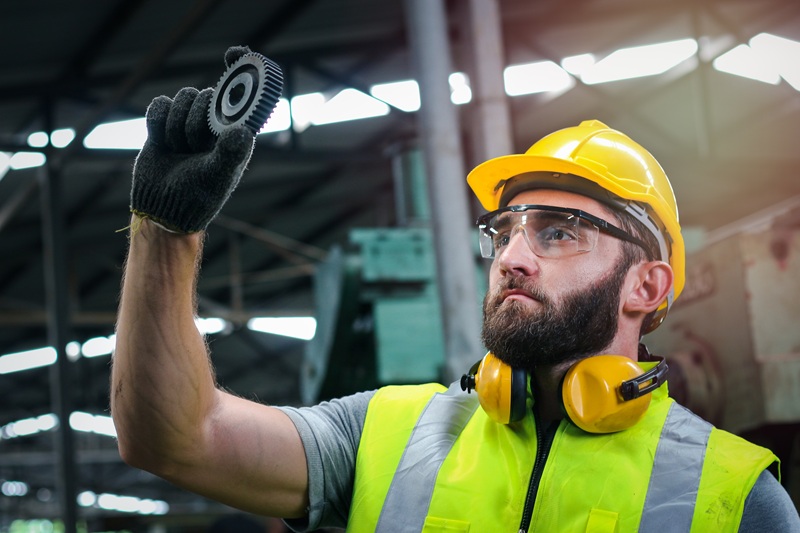
In factories and assembly plants, machines can eject small parts or shavings at high speeds. Workers handling cutting, drilling, stamping, or pressing equipment are at particular risk. OSHA approved safety glasses reduce the chance of accidents and keep productivity steady.
4. Laboratory Technicians and Scientists
Chemical exposure is a major hazard in labs. Splashes, vapours, or even accidental spills can cause eye burns or damage. Lab workers are required to use ANSI approved safety glasses with side protection or even goggles if chemicals are highly volatile.
5. Healthcare Workers
Healthcare might not seem like a typical environment for jobs that require safety glasses, but the risks are real. Nurses, doctors, and technicians often wear ANSI Z87 safety glasses during procedures where there is a possibility of exposure to bodily fluids or hazardous substances.
6. Carpenters and Woodworkers
Wood dust and flying splinters are common in carpentry shops. Power saws, drills, and sanders can eject fragments at high speeds, making ANSI approved safety glasses essential for anyone handling lumber or woodworking tools.
7. Electricians and Utility Workers
Electricians face risks not only from sparks but also from unexpected electrical arcs. Utility workers who handle heavy equipment or work outdoors around power lines are often required to use OSHA approved safety glasses with additional protective coatings.
8. Mechanics and Automotive Technicians
Mechanics frequently work under vehicles where dirt, rust, and fluids can drop into the eyes. Grinding, cutting, and welding in auto shops also create debris. ANSI Z87 safety glasses provide critical protection in these situations.
9. Mining and Oilfield Workers
These industries involve extreme environments where rock fragments, pressurized equipment, and chemicals all pose threats. Protective eyewear is non-negotiable. ANSI approved safety glasses with wraparound designs are common in these high-risk fields.
10. Agricultural and Landscaping Workers
From trimming hedges to operating heavy farm machinery, outdoor workers encounter dust, plant particles, and flying debris daily. For them, ANSI Z87 safety glasses often include tinted or polarized options to block harmful UV rays in addition to impact protection.
Choosing the Right ANSI Z87 Safety Glasses
Not every pair of ANSI approved safety glasses is identical. Choosing the right model depends on the job and specific hazards involved. Some factors to consider include:
Lens type: Clear lenses for indoor work, tinted or polarized for outdoor use
Coatings: Anti-fog, scratch resistance, or chemical resistance, depending on conditions
Frame design: Wraparound styles offer extra coverage, while lightweight frames increase comfort for long wear
Side shields: Required in environments with lateral hazards like flying debris
Selecting the right pair not only improves safety but also makes it easier for workers to comply consistently, since uncomfortable eyewear often ends up unused.
Final Thoughts
The difference between everyday eyewear and ANSI approved safety glasses is the difference between risk and protection. Across industries, from construction sites to healthcare facilities, OSHA regulations make it clear: if there’s a risk to the eyes, workers must be equipped with ANSI Z87 safety glasses.
Knowing the most common jobs that require safety glasses helps employers and employees prepare for the risks and choose eyewear that truly meets the demands of the work environment.
If you’re looking for compliant options, RX Safety Canada offers a wide range of ANSI Z87 safety glasses that meet rigorous testing standards and provide dependable protection in the workplace.