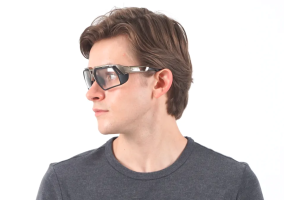
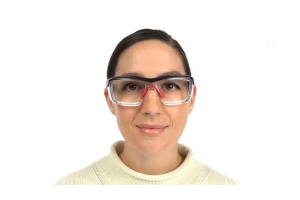
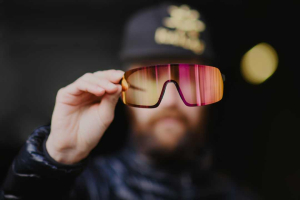
In hospitals, safety isn't limited to patients. It's just as crucial for the people providing care. From doctors and nurses to lab technicians and janitorial staff, healthcare professionals face a variety of hazards daily. One often overlooked but essential piece of protective equipment is prescription safety glasses.
While general PPE like gloves, gowns, and masks are commonly understood, hospital prescription safety eyewear plays a critical role in minimizing risks associated with eye injuries. For healthcare professionals who wear corrective lenses, standard safety glasses aren't enough. They need prescription safety eyewear for healthcare workers that combines clear vision with robust eye protection.
Eye Health Risks in Medical Settings
Hospitals are controlled environments, but they are not hazard-free. Eye injuries may not be as common as other types of injuries, but when they occur, they can be serious. Here are some common risks:
- Bodily Fluids: Blood, mucus, and other biological fluids can splash during procedures, potentially carrying infectious agents like HIV, hepatitis, or COVID-19. Eyes are an easy route of transmission.
- Chemical Exposure: Strong disinfectants, sterilizers, and cleaning solutions are frequently used. Accidental contact with the eyes can cause anything from irritation to long-term damage.
- Particulate Matter: Microscopic fragments of tissue, bone, or dental debris can become airborne during surgical or dental procedures.
- Radiation and Light Hazards: Lasers and UV-emitting devices in radiology, dermatology, or surgical units can damage eye tissue if proper shielding isn’t used.
- Physical Trauma: Flying instruments or broken glass can strike without warning. Protective eyewear absorbs or deflects these impacts, reducing injury risk.
These risks make one thing clear: safety glasses for hospital workers are not just a precaution; they are a necessity.
The Inadequacy of Standard Eyeglasses
Some hospital workers assume that their everyday prescription glasses offer sufficient eye protection. They do not. Typical eyeglasses are not tested for impact resistance or liquid shielding. Their lenses can shatter under duress, and their open-sided frames leave much of the eye exposed.
Prescription safety glasses, on the other hand, are built to meet ANSI or CSA standards. They typically feature polycarbonate lenses that resist impact and high-wrap designs to cover the eye area more completely. Many also include features like:
- Anti-fog coatings to prevent lens misting in high-humidity areas
- Scratch-resistant surfaces for durability in fast-paced environments
- Adjustable frames for a secure, comfortable fit
Legal and Workplace Safety Regulations
Hospital administrators have a legal and ethical obligation to protect their employees. Most regional occupational health and safety regulations mandate protective eyewear where there is a known eye hazard. Compliance isn’t optional.
Medical professionals are often required to wear hospital prescription safety eyewear in zones like:
- Surgical theatres
- Trauma bays
- Laboratory environments
- Sanitation and sterilization rooms
- Waste handling and disposal areas
Regular audits and safety inspections may assess whether protective eyewear is being used appropriately. Wearing the correct type of eyewear is not just a best practice—it can be a legal requirement.
Comfort and Performance Matter
One major barrier to the consistent use of protective eyewear is discomfort. Bulky or poorly fitted goggles can hinder performance or cause fatigue. However, prescription safety eyewear for healthcare workers is designed for extended wear without discomfort.
Modern designs prioritize:
- Lightweight, hypoallergenic materials
- Ergonomic fitting options like flexible nose bridges and temples
- Streamlined shapes that don’t interfere with surgical masks or face shields
When glasses are comfortable and do not obstruct vision or workflow, workers are more likely to wear them consistently. This drives better compliance and enhances workplace safety culture.
Vision Clarity and Task Accuracy
Precision is non-negotiable in healthcare. Inserting IVs, reading medication labels, analyzing diagnostic screens—these tasks demand perfect vision. Poor visibility can lead to mistakes, which in healthcare can have serious consequences.
Prescription safety glasses offer tailored correction while shielding the eyes. This ensures medical professionals don't need to compromise on either safety or visual acuity. Options such as bifocals, progressive lenses, and specialized coatings further adapt the eyewear to specific needs.
Additional helpful features for hospital settings include:
- Anti-glare coatings for under harsh lighting
- Blue light filtering for digital eye strain reduction
- UV protection for areas with UV-exposing equipment
Long-Term Eye Health and Injury Prevention
Chronic exposure to irritants and low-level hazards can degrade eye health over time. Staff may not notice the cumulative effects of exposure to fumes, glare, or recurring dryness until symptoms become problematic.
Consistently using hospital prescription safety eyewear helps mitigate these risks. It also supports a culture of safety by reinforcing the importance of full PPE usage for every worker on every shift.
Hospitals that prioritize quality safety eyewear help reduce sick leave, increase staff morale, and protect against costly worker compensation claims.
Not All Eyes Are the Same
Each healthcare worker has unique visual requirements. One-size-fits-all goggles are rarely effective or comfortable, particularly for long shifts. Customizable prescription safety eyewear for healthcare workers addresses this gap by offering a precise, individualized solution.
These glasses are engineered not just to fit faces but to integrate seamlessly with the demands of medical work. From shift changes to emergency procedures, proper eyewear performs under pressure.
Many styles are compatible with additional PPE, such as face shields, and can be selected to match prescription strength, frame style, and material preference. Investing in prescription-grade protective gear is not just about comfort; it's about minimizing distractions, boosting performance, and avoiding accidents.
Investing in Protection: A Long-Term View
The upfront cost of prescription safety glasses is minor when compared to the long-term benefits of protecting a worker's vision. Lost productivity, replacement training, and medical expenses related to eye injuries far outweigh the expense of proper PPE.
And unlike disposable PPE, safety glasses can last months or years with proper care. This makes them a sustainable investment in workforce health and institutional compliance.
Conclusion
Hospitals are environments where safety protocols are deeply embedded in every process—and for good reason. Eye protection should be no exception. Prescription safety glasses are a critical component of PPE that safeguard vision while allowing healthcare professionals to perform their duties effectively.
Whether you’re assisting in surgery, handling lab samples, or cleaning biohazard areas, safety glasses for hospital workers ensure you're protected from unseen dangers. And when they’re customized to your vision needs, they also help you stay sharp, focused, and compliant.
Need prescription safety glasses built for the hospital environment? Trust RX Safety Canada for reliable, certified, and comfortable eyewear tailored to healthcare professionals. Protect your eyes without compromising clarity or comfort.