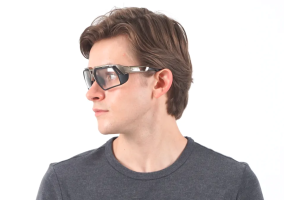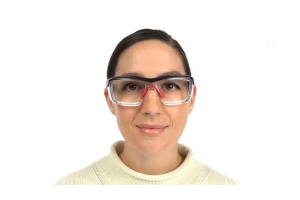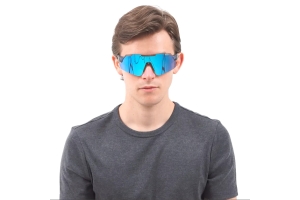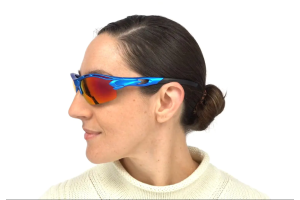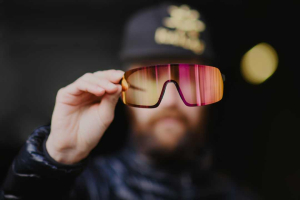
Workplace safety depends on clear vision and reliable protection. For decades, standard safety goggles were the go-to choice for protecting workers’ eyes from debris, dust, and chemical exposure. But today, a growing number of professionals are switching to prescription safety glasses for better vision, comfort, and performance on the job.
This shift isn’t just about convenience. It’s about combining vision correction with certified safety standards, ensuring workers can see clearly while staying protected in high-risk environments.
The Rise of Prescription Safety Eyewear in the Workplace
Many workers rely on prescription lenses for everyday tasks, yet traditional safety goggles were designed to fit over regular glasses. This “over-glasses” setup often caused discomfort, fogging, and poor visibility — leading to distractions and even reduced safety compliance.
Prescription safety eyewear eliminates those issues. By integrating corrective lenses directly into ANSI or EN-rated safety frames, workers get the same protection as standard goggles but with the visual clarity of their personal prescription.
Why the Change?
Improved Comfort: Workers no longer need to wear two pairs of glasses at once.
Enhanced Vision: Customized lenses reduce eye strain and distortion.
Better Compliance: Comfortable eyewear encourages consistent use.
Professional Appearance: Modern designs look and feel like regular glasses.
Key Advantages of Prescription Safety Glasses
1. Clear Vision Meets Certified Protection
One of the main reasons workers prefer safety goggles with prescription lenses is the clarity they provide. Poor vision can lead to mistakes, especially in precision-based work like construction, manufacturing, and lab environments.
Protective prescription eyewear combines optical accuracy with impact-resistant materials like polycarbonate or Trivex lenses, ensuring the wearer can see clearly without compromising safety.
These glasses are tested to meet ANSI Z87.1 (in North America) or EN166 (in Europe) standards, meaning they’re approved for industrial protection against dust, debris, and flying particles.
Feature | Prescription Safety Glasses | Standard Safety Goggles |
Vision Clarity | Customized lenses for clear vision | Limited, may blur or distort |
Comfort | Lightweight and tailored fit | Bulky, often cause pressure |
Fog Resistance | Optional anti-fog coatings | Frequently fog up |
Style | Professional look | Industrial, less aesthetic |
Safety Certification | ANSI/EN compliant | ANSI/EN compliant |
Compatibility with Glasses | Built-in prescription | Must fit over glasses |
2. Comfort That Lasts Through the Workday
Comfort is more than convenience; it affects productivity and safety. Workers wearing ill-fitting goggles often remove them to relieve pressure or fog buildup, exposing themselves to hazards.
Prescription safety glasses online come in ergonomic designs with adjustable nose pads, flexible temples, and lightweight materials that stay comfortable for long hours.
When safety eyewear feels natural, workers are more likely to keep it on — reducing the risk of workplace eye injuries.
3. Fog, Sweat, and Dust Control
Many job sites involve heat, humidity, or physical exertion that can cause safety goggles to fog up. Reduced visibility can be dangerous, especially in construction, automotive, and laboratory environments.
High-quality prescription safety eyewear offers anti-fog coatings, vented frame designs, and tight but breathable seals. These features keep the lenses clear and help maintain visibility in demanding conditions.
4. Durability and Impact Resistance
Unlike regular prescription glasses, protective prescription eyewear is built from impact-resistant materials that withstand high-velocity debris.
Common lens materials include:
Polycarbonate: Lightweight and highly impact-resistant.
Trivex: Offers optical clarity with superior durability.
High-Index Lenses: Thinner and lighter, ideal for strong prescriptions.
Frames are usually made from nylon, stainless steel, or high-grade plastic that resists bending and cracking under stress.
Safety and Compliance Standards to Know
When choosing prescription safety glasses, compliance with recognized safety standards is essential.
Look for these certifications:
ANSI Z87.1: Covers impact protection, optical clarity, and lens retention in the United States and Canada.
EN166: European standard ensuring resistance to impact, chemical splash, and optical distortion.
Frames and lenses that meet these standards will be marked with the appropriate code, usually found on the inside of the frame.
Choosing the Right Prescription Safety Glasses Online
Not all work environments require the same type of protection. When selecting prescription safety glasses online, consider the following factors:
1. Work Environment
Construction and Carpentry: Look for wraparound frames and side shields for protection against flying debris.
Laboratory and Chemical Work: Choose sealed or vented goggles with splash protection.
Manufacturing and Metalwork: Opt for impact-rated frames with anti-scratch coatings.
Healthcare or Cleanroom Settings: Lightweight, easy-to-sanitize models are best.
2. Lens Material and Coatings
Anti-fog Coating: Prevents condensation in hot or humid environments.
Anti-scratch Coating: Extends lens life, especially in dusty conditions.
Photochromic Lenses: Adjust to changing light levels, ideal for indoor-outdoor work.
UV Protection: Essential for outdoor workers to prevent long-term eye damage.
3. Fit and Design
Ensure your safety glasses fit securely without pinching or slipping. Many models come with adjustable temples and nose pads for a custom fit.
Why Workers Prefer Online Ordering
Ordering prescription safety glasses online has simplified the process of getting certified protective eyewear. Workers and safety managers can browse frame styles, compare specifications, and upload prescriptions directly.
Online suppliers like RX Safety CANADA offer a wide selection of ANSI/EN-rated frames that balance protection and visual performance. Each pair is custom-made to match the user’s prescription and job requirements, ensuring a reliable and compliant fit.
Maintenance and Care Tips
Even the best safety goggles with prescription lenses need regular maintenance to remain effective.
Tips for long-lasting protection:
Clean lenses daily using a microfiber cloth and mild soap solution.
Store glasses in a hard case when not in use.
Inspect regularly for cracks, scratches, or loose fittings.
Replace immediately if lenses are damaged or frames lose integrity.
Proper maintenance not only extends the life of your eyewear but also ensures consistent optical clarity and protection.
The Future of Workplace Eye Protection
The trend toward prescription safety glasses reflects a broader shift in how companies view safety and comfort. Modern safety programs recognize that clear vision is as critical as protective strength.
When workers can see accurately and comfortably, productivity increases, error rates drop, and overall safety improves. As technology advances, more lightweight materials, customizable lens options, and advanced coatings will continue to make protective prescription eyewear the preferred choice across industries.
Final Thoughts: Invest in Clarity and Protection
Switching from standard goggles to prescription safety glasses is more than a comfort upgrade; it’s a commitment to safety and efficiency. Workers deserve eyewear that protects their eyes and supports their vision throughout the day.
If you’re ready to explore certified options that meet your specific workplace needs, visit RX Safety CANADA. Their extensive collection of prescription safety eyewear is designed to meet ANSI/EN standards while providing the clarity and comfort professionals rely on.
Protect your sight with precision-built prescription safety glasses — because clear vision is the foundation of a safe and productive workplace.