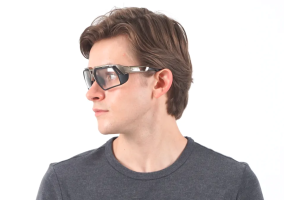
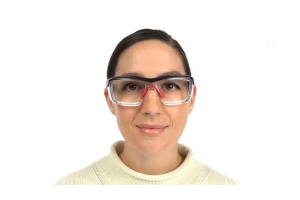
Long workdays place steady strain on the eyes, neck, and shoulders. Many workers rely on prescription safety glasses every day, yet a surprising number still wear outdated, heavy frames that create more fatigue than protection. Within the first hour of a shift, weight pressure from older designs can already affect comfort. By midday, slipping frames, pinched temples, and reduced clarity can disrupt tasks that require precision. This is why lightweight ANSI Z87 safety glasses are becoming essential for anyone who spends eight to ten hours on the job.
Lightweight Z87 safety glasses help reduce pressure, improve clarity, and maintain steady protection. When combined with accurate prescriptions and thin, impact-resistant polycarbonate lenses, they offer a more reliable solution for long days that demand focus.
The Hidden Strain of Heavy Safety Eyewear
Heavy industrial eyewear often looks durable, yet the bulk comes at a cost. Over a full shift, weight on the bridge of the nose can lead to tension headaches and neck fatigue. Thick frames also reduce airflow, which can cause fogging that forces constant adjustment.
Many wearers do not realize how much their eyewear contributes to strain until they switch to lighter options. If glasses slip during detailed tasks or require frequent repositioning, the added movement breaks concentration and increases the risk of mistakes.
For anyone interested in the standards behind modern protection, you can explore the Guide to ANSI Z87 Safety Glasses on the RX Safety CANADA blog, which explains what the Z87 rating means for real-world safety.
The Weight Problem: How Heavy Glasses Reduce Productivity
Traditional industrial eyewear creates several issues that become more noticeable during long days. Common problems include:
Pressure points on the nose bridge that worsen over time
Tight temples that cause headaches
Frame slipping during fine motor tasks
Visual distortion from thick, outdated lenses
Reduced airflow that leads to fogging
Even before discomfort becomes noticeable, small ergonomic issues can slow reaction times and reduce visual precision in fast-paced or detail-oriented environments, which can delay matters.
Older lenses also tend to be heavier because of their thickness. Thick lenses increase distortion around the edges of the frame, which can affect depth perception and spatial awareness.
Why Lightweight ANSI Z87 Prescription Eyewear Matters
Lightweight frames remove many of the barriers that make full shift wear difficult. Modern ANSI Z87 safety glasses offer the same level of impact protection, yet they do so with better materials and more advanced ergonomics.
Key advantages include:
Protection that meets ANSI Z87 standards
Slim, impact-resistant polycarbonate lenses
Reduced pressure on the nose and temples
Flexible designs that support constant movement
Stable fit that holds during bending, lifting, or climbing
Polycarbonate material plays a major role. It is lighter than traditional lens materials and provides strong impact resistance without added bulk. Workers who spend most of their day on the move benefit from evenly distributed weight that does not shift when they change position.
For a deeper look at how to select the right protective eyewear, the RX Safety CANADA blog includes How to Choose the Right ANSI Z87 Safety Glasses for Maximum Protection, which breaks down safety ratings and frame features.
Vision Precision: How Prescription Accuracy Improves Work Safety
Comfort alone is not enough. Workers need a clear, accurate vision to make safe and informed decisions throughout the day. When prescriptions are outdated, incorrect, or poorly aligned with frame design, visual clarity suffers.
Improved prescription accuracy supports:
Faster identification of hazards
Better depth perception when using machinery and tools
More precise measurements and alignment
Reduced eye strain during repetitive tasks
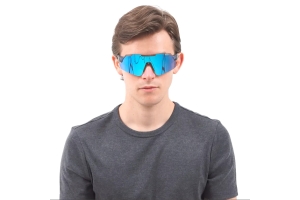
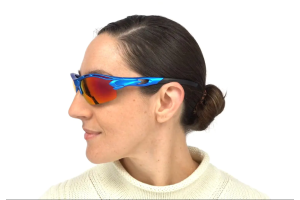
Accurate prescriptions paired with lightweight Rx sunglasses or clear safety lenses create a stable visual field. This is especially important for workers who shift between indoor and outdoor environments or who need consistent clarity across multiple distances.
Comparing Lightweight vs Traditional Industrial Glasses
Lightweight frames offer several advantages that directly influence daily performance. When compared with traditional eyewear, the improvements are clear.
1. Better Peripheral Vision
Slim frame designs widen the field of view. Workers no longer lose sight of objects in their side vision, which improves awareness and reduces the chance of missed hazards.
2. Noticeable Weight Reduction
The difference in weight may seem small at first, but over a long shift, it adds up. Lighter frames reduce neck and shoulder tightness and lower the need for constant readjustment.
3. Lens Clarity, Anti-Fog, and Anti-Scratch
Modern coatings reduce fog buildup and surface damage. Clearer vision improves reaction time and helps workers stay focused during tasks that require accuracy.
4. Cleaner Fit for Movement
Lightweight designs often include adjustable nose pads and flexible arms. These adjustments help maintain stability when climbing ladders, operating equipment, or working in tight spaces.
How to Choose the Right ANSI Z87 Prescription Safety Glasses
Selecting the right pair starts with an understanding of daily tasks and environmental conditions. Lightweight is important, but the frame still needs to match the demands of the job.
Factors to consider:
Fit: Frames should sit securely without pinching or sliding.
Frame material: Lightweight plastics or alloys increase comfort.
Lens coatings: Anti-fog, anti-scratch, and UV protection support long-term visibility.
Wrap design: Helps improve coverage and peripheral clarity.
Prescription accuracy: Ensures that safety is paired with clear, reliable vision.
For outdoor and mixed light environments, some workers consider photochromic lenses.
Lightweight ANSI Z87 eyewear should support both comfort and protection. When frames are too heavy, workers are more likely to remove them during tasks, which negates their purpose. The right design keeps the wearer protected without distraction.
Conclusion: Keep Comfort, Clarity, and Protection Working Together
Long workdays demand eyewear that supports vision without adding strain. Lightweight prescription safety glasses built to ANSI Z87 standards give workers consistent protection, reduced fatigue, and clearer vision throughout the day. When comfort and clarity work together, safety improves naturally.
If you are ready to upgrade to lightweight ANSI Z87 eyewear with precise prescription options, explore the selection at RX Safety CANADA. Their range of safety frames and Rx sunglasses makes it easier to find dependable protection that fits your workday from start to finish.