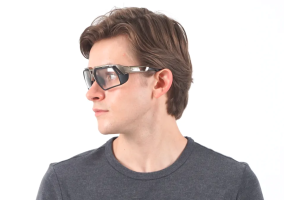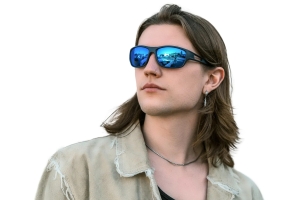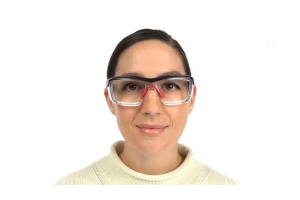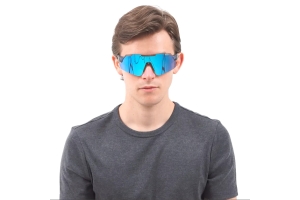
Protecting your eyes is not just about avoiding discomfort. Eye injuries can cause permanent vision loss, chronic irritation, or long-term health complications. Whether at work, at home, or during recreation, the right eye protection can prevent serious harm. This is where prescription safety glasses and other forms of protective eyewear become vital. Knowing when to wear them can make the difference between safe vision and irreversible damage.
Below are five situations where eye protection glasses are absolutely essential, along with insights into choosing between regular safety glasses vs prescription options.
1. Industrial and Construction Work
Construction and industrial environments are among the highest-risk workplaces for eye injuries. Flying debris, dust, sparks, or chemicals can all cause harm within seconds. Workers often face hazards from tools, heavy machinery, or welding activities that generate intense light and heat.
In these settings, prescription protective eyewear is particularly important for individuals who need corrective lenses. Wearing regular glasses under safety goggles often leaves gaps at the sides or creates fogging issues, reducing both comfort and safety. Properly fitted prescription safety glasses eliminate these risks by combining vision correction with durable protection.
When comparing safety glasses types, construction workers benefit most from options made with impact-resistant lenses and wraparound frames. These designs shield against both frontal and peripheral threats while maintaining clear, distortion-free vision.
2. Laboratories and Medical Facilities
Laboratories, hospitals, and research facilities present another set of hazards. Chemical splashes, infectious fluids, or even laser equipment can cause significant eye damage. In some cases, these risks are not immediately obvious. A single accidental splash can have long-term consequences.
For professionals who rely on precise vision to handle delicate procedures, prescription protective eyewear is non-negotiable. Unlike wearing safety goggles over regular glasses, prescription safety options ensure accuracy without discomfort. They reduce distractions and allow medical staff or researchers to focus fully on their tasks.
The comparison of safety glasses types for laboratory use often comes down to chemical resistance. Look for lenses with anti-fog coatings and frames designed to prevent liquids from seeping in. Sealed safety glasses or goggles are usually preferred in high-risk chemical environments.
3. Home Improvement and DIY Projects
Eye injuries are not limited to workplaces. Home activities like drilling, sawing, sanding, or using power tools can create flying particles that injure the eyes. Even small projects, such as hanging shelves or mixing cleaning chemicals, present risks that many people underestimate.
DIY enthusiasts who already wear prescription glasses face a challenge: wearing non-prescription safety glasses over regular glasses can be uncomfortable and impractical. Choosing prescription safety glasses resolves this issue by combining everyday vision correction with robust protection.
When doing home projects, the comparison of safety glasses types leans toward lightweight frames with impact resistance. For outdoor work like cutting wood or trimming, tinted safety lenses can also help reduce glare.
4. Outdoor Sports and Recreational Activities
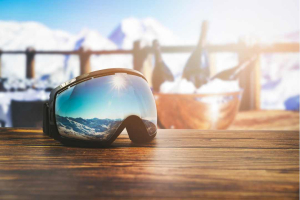
Outdoor sports such as cycling, skiing, or shooting carry their own risks. High-speed wind, dust, branches, or projectiles can all cause eye injuries. Water sports, too, can expose eyes to UV rays, glare, and potential impact from equipment. Many athletes underestimate the risks of playing sports without prescription glasses, which can affect both safety and performance.
This is a situation where people often debate regular safety glasses vs prescription options. For those who need vision correction, prescription lenses tailored for sports are a safer, more comfortable solution than trying to fit corrective glasses underneath standard protective eyewear.
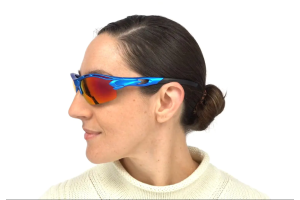
Prescription protective eyewear for sports usually includes shatterproof polycarbonate lenses, UV protection, and wraparound frames. These provide both visibility and impact resistance while staying securely in place during movement.
5. Manufacturing and Technical Trades
Beyond construction, many technical trades such as metalworking, automotive repair, or electrical work demand reliable eye protection. Grinding, soldering, and cutting all produce sparks or fragments that can cause immediate and severe damage.
Here, the comparison of safety glasses types reveals important differences. For example, welders may require glasses or shields that filter out intense light, while machinists often prioritize impact resistance and side protection.
For tradespeople who need corrective lenses, prescription safety glasses are an essential upgrade. They ensure that vision clarity is not compromised while offering full compliance with safety standards. A single pair of prescription safety glasses is far more effective than juggling regular glasses beneath ill-fitting protective eyewear.
Why Choosing the Right Type Matters
Understanding the differences between regular safety glasses vs prescription glasses is key to long-term eye safety. Regular safety glasses work well for those with perfect vision, but they are not designed to correct eyesight. Prescription options, on the other hand, combine safety features with corrective power, making them indispensable for anyone who depends on glasses daily.
A good comparison of safety glasses types shows that not all eyewear is created equal. Impact resistance, side protection, anti-fog coatings, and UV filtering are just some of the features that vary between models. The best choice depends on the environment and personal vision needs.
For Canadians looking for reliable options, RX Safety Canada provides a wide range of prescription safety eyewear that meets both protective and corrective requirements. Access to properly fitted, durable eyewear ensures that safety is never compromised.
Final Thoughts
Eye protection is not optional in hazardous situations. Whether working with heavy machinery, handling chemicals, doing home projects, enjoying outdoor sports, or practicing a skilled trade, the right safety glasses are essential. For those who need corrective vision, prescription safety glasses eliminate the trade-off between seeing clearly and staying safe.
By understanding the comparison of safety glasses types, individuals can make informed choices about the best protective eyewear for their specific situation. The key is to prioritize both vision correction and safety, because once vision is lost, it cannot be replaced.